Showing posts with label U.S. culture. Show all posts

Sunday, August 31, 2014

The Structural, Institutional, Systemic, and Visceral Dominance of White Supremacy, the Real National History Of the United States, And the Ongoing Ominous Lessons Of Ferguson, Missouri--PART 3

WELCOME TO THE UNITED HATES OF HYSTERIA: LAND OF THE SPREE, HOME OF THE KNAVE, AND ETERNAL DOMAIN OF THE 3H CLUB: HATRED HUBRIS AND HYPOCRISY: 2014 EDITION


http://www.counterpunch.org/2014/08/29/bad-apples-in-ferguson/

WEEKEND EDITION AUGUST 29-31, 2014

The Media: When in Doubt, Blame Blacks

Bad Apples in Ferguson
by ISHMAEL REED
CounterPunch
 
ISHAMEL REED

Given the fact that the Jim Crow media are dominated by the POVs of middle and upper-class whites, mostly males, it was no surprise that most of the commentary and reporting about Ferguson was managed by people who never experienced racial profiling. People like CNN’s Jeffrey Toobin, Harvard graduate and Harvard married, who has said that the charges of prosecutorial misconduct are ridiculous. Another know-it-all-nik named Marc Fernich, appearing on Al Jazeera on August 24,2014 called “preposterous,” a claim made by the St.Louis NAACP head, Adolphus Prultt, 2nd, that the police occupation of Ferguson was similar to how Palestinians had been greeted by the forces of occupation. He was unaware that Palestinians were sending advice to the residents of Ferguson about how to handle tear gas. Palestinian writer, Amer Zahr, in his article, August 17th,” BEING BLACK, BEING PALESTINIAN wrote “It is hard for me to see Ferguson through anything other than Palestinian eyes.

“The killing of 18-year-old Michael Brown, as he was unarmed and reportedly surrendering, has triggered protests in Missouri against aggressive police action.  The protests have been met, quite expectedly, with aggressive police action.  This aggressive police action will be met with more protests and on and on we go.  Sound familiar?

“The similarities between Ferguson and Palestine are stark.  Shared experiences, sentiments, and anger abound.  As it turns out, being black here and being Palestinian over there aren’t really that different.”

The smarmy Joe Klein waded in for Time about how black culture was responsible for the death of Michael Brown. He used the same argument in New York magazine   May 7,1989 that was typically lengthy and pompous piece about the Central Park Five. All about our morals from a man who lied about his authorship of “Primary Colors.” Of course, the five were innocent. Is there such a thing in journalism as plagiarizing oneself and getting paid by an organization like Time for engaging in this practice, repeatedly? No wonder FAIR calls Klein, “the media spokesperson for white people,” well he’s not quite white to young whites, who, according to The New York Times article about how the American Nazis are recruiting them. Klein is the guy who claimed, recently, and unopposed, that black men were responsible for the country’s rape problem. Black girls get raped by their mother’s boyfriends according to him. Tell that to the white co-eds who are raped by white men in college on a regular basis. Black men aren’t in college. They’re in jail.

We can’t get Joe to comment on the domestic violence against Jewish women in the United States and Israel. He’s part of the cover-up. How about a lengthy piece about this problem for New York magazine?

Predictably, just as the media were stenographers for the Pentagon during the Iraq war, they, like Marc Fernich, behaved as a sort of a press agent for Ferguson law enforcement and a cheering section for Darren Wilson, who might have shot an unarmed Michael Brown twelve times.  The media concentrated on the violence committed by a few, who were present in the mostly peaceful demonstrations and not on the violence of the police, who putout a lower case tonkin gulf propaganda spiel, which the media also fell for. All about Molotov cocktails provoking them into action. Three black ministers who were present where one Molotov cocktail incident was supposed to have taken place said that they didn’t see any. This gave the police, which was armed as though they were in Afghanistan, to assault men women and children with tear gas, while calling them “niggers.” Those who called 911 to report Michael Brown’s death, his body being allowed to lie in the sun for four hours (to show what happens when you fuck with the police), said that the dispatchers called them monkeys.

Fox News, Goebbels America, picked up a rumor about Wilson having his eye socket damaged by Brown. This lie was repeated by the Zimmerman/Wilson network, CNN. Their regular, Mark O’Mara, the character who lied about Trayvon Martin’s past and threatened the white women on the jury with the specter of black rape if they didn’t vote for an acquittal of Zimmerman. You could understand why some of the media would support Wilson, but The New York Times, whose editorial page, except for Paul Krugman, and Ishmael Reed from time to time, reads like a Tea Party Rally, was reprimanded twice by its Public Editor for behaving as a kind of pro bono defense counsel for Darren Wilson. First, Lawrence O’Donnell found support from the public editor of the Times when he accused the Times of floating a misleading line in its efforts to keep the right wing among its readership happy. O’Donnell said the Time’s report that there were “sharply” different versions among those who witnessed the shooting was false. In one front page Time’s story the murderer was called “well-mannered…soft-spoken…a good kid “while Michael Brown, who never killed anybody was “a teenager grappling with problems and promise.” When a cop killed Oscar Grant out here, a local paper called the cop, “a gentle giant.” Next the Times got into trouble when a black reporter wrote that Michael Brown “was no angel.” Answering “the storm” of protests that followed his comment, Times Public Editor Margaret Sullivan wrote in a post on Monday afternoon that the “no angel” term was “an ill-chosen phrase”: ”In my view, the timing of the article (on the day of Mr. Brown’s funeral) was not ideal. Its pairing with a profile of Mr. Wilson seemed to inappropriately equate the two people. And “no angel” was a blunder,” Sullivan wrote.

Sullivan also interviewed the reporter who wrote the article, John Eligon, who said he agrees “no angel” was a poor choice of words. Eligon also said he pressed editors on another part of the article that’s drawn criticism – Brown’s interest in rap.

I tried to weigh in as someone who has experienced racial profiling, most recently when walking with my companion in the historic Mountain View Cemetery in Oakland. The people in the cemetery office called the police. They got there promptly. We had a hard time getting them to solve the drug traffic in our neighborhoods. Sometimes they didn’t even show up. Elderly members at our Crime Council meetings question, regularly, why the police are so chummy with the drug dealers. Wonder why. But they showed up about five minutes after I entered the cemetery. Maybe I was going to rob some graves? The Oakland police run the city. Though racial profiling is rampant, The East Bay Express has accused the current crop of mayoral candidates of supporting racial profiling. That’s because they brought police Chief Bratton out here to advise them on “stop and frisk,” and paid him a $200,000 consultant fee.

The Times told me that they had enough comments about Ferguson. The majority was written by white men. The police show them their Dr.Jekyll side. We get Mr. Hyde. These commentators are the ones who put out the lie that only a few bad apples in police departments are responsible for racial profiling; thirty police were involved in a scandal in Harlem Precinct in the 1990s.

I wanted to challenge the media’s use of polls to show that the issue of police brutality reflected disagreements between whites and blacks, when the police kill and beat the shit of Hispanics and Native Americans as well. Do the pollsters exclude the view of other ethnic and religious minorities like the Muslims who were spied upon by the notorious NYPD, because including them would challenge the views of their white readers and viewers? The people that Jeff Zuker of CNN and Comcast of MSNBC and Rush Limbaugh of Bain Capital’s  Clear Channel wish to woo. The people whom they depend upon to buy their shiny gas guzzlers and Viagra. Are the media again protecting whites from the charge that they’re ignorant of what’s happening between the police, to whom they give carte blanche to handle minorities anyway they wish, and the black Hispanic and Native Americans men and women who get murdered by the police on a regular basis. Unlike the toned down types, the black college professors whom MSNBC use to avoid paying full-time professional journalists like Michel Martin, black commentators like Earl Ofari Hutchinson and  Brooklyn-born rapper Talib Kweli were able to give a different account of what happened in Ferguson.

Davey D’s on KPFA’s “Hard Knock Radio,” and Amy Goodman’s “Democracy Now” had the best coverage because they aren’t beholden to media bosses to provide them with expense accounts and car. They interviewed people from the community and activists whose accounts on the ground were different from the accounts given by the police and the police friendly media. One woman told Amy Goodman that the Ferguson police broke down their apartment door and put 9 millimeter guns against her children’s heads because one of the kids didn’t tell his mother that he had received a citation for the theft of a Snicker’s bar. The three 10,11, and 12 spent thirty days in jail, while the criminals at Bank of America and Wells Fargo get to negotiate their fines. She said that her mother had warned her that the Ferguson police was a KKK outfit.

It took Davey D, Rose Clemente and Atty. John Burris to connect the police killings of Hispanics to that of blacks, which was ignored by the mainstream media.

After my Wednesday Aug.20th swim at the Berkeley YMCA, I ran into a retired 83 year old Hispanic judge. The situation in Ferguson came up. He said that there had been clashes in East L.A. between the police and Hispanics over police shootings.

On Thursday, Aug.21, Civil Rights Atty. John Burris, appearing on KPFA’s “Letters and Politics,” said there had been four shootings of Hispanics by Salinas, California’s police since March. In one case, a Hispanic man, Carlos Mejia, was attempting to solicit some gardening work. According to Burris, he carried the gardening shears in his hand. Someone called the police. The police shot him when he turned toward them after walking away. The video is eerily similar to the Michael Brown. After this May 20,2014 shooting, Hispanic demonstrators protested. Some threw rocks and bottles at the police.

On August 27,even Joy Reid, one of the best commentators, said that police shootings of black men represented a Racial Divide between blacks and whites and that it wasn’t of concern for other minorities. She should travel west of the Rockies from time to time or is she just following the memos from higher ups?

Predictably, Jeff Zucker’s CNN even rushed on a Town Meeting about a rating driven Black and White divide. No Hispanics appeared on the panel even though the police have used lethal against them as well. Apparently nuance doesn’t draw ratings. Native Americans have issues with police brutality as well. Joy Reid should read the online Native American news service, Indian Country, from time to time. But for the men who own and whose POVs dominate the media, we lie.

One of the origins of the term “Indian Summer,” is that Indians lie so much that an Indian Summer is a false summer.

One could conclude that since the word of whites has more credibility, historically, than that of blacks, not to include the testimony by Hispanics, Native Americans and Muslims about their sometimes terrifying encounters with the police is to isolate blacks and cast them as unreasonable malcontents. Paranoid even and whining about “victimization,”and set up for a mismatch.

Finally, E.J.Dionne and Eugene Robinson of The Washington Post discussed one of those White/Black polls on MSNBC.

You can understand why the regular pundits and their producers like Jeff Zucker might want to stage an opinion UFC match between Blacks and Whites for the entertainment of their viewers, but that these men of intellectual heft would cling to an outmoded model for race relations is depressing. The United States is no longer just Black and White.

Ishmael Reed is the publisher of Konch.  His information is at IshmaelReed.org.

Sources

1 Pacifica’s Mitch Jeserich hosts “Letters & Politics,” a look at burning political issues and debates, and their historical context, within the US and worldwide.(Burris interview was aired).

2 www.latinorebels.com/…/full-video-of-salinas-police-shooting-unarmed-,https://www.youtube.com/watch?v=qLK0eo26MgE

3 http://indiancountrytodaymedianetwork.com/2014/08/21/separate-and-unequal-ferguson-has-implications-all-ethnicities-156516

4 http://fair.org/extra-online-articles/joe-klein-media-spokesperson-for-white-people/

5 http://www.nydailynews.com/archives/news/bratton-slams-dirty-30-sgt-article-1.728555

copyright© 2014 Ishmael Reed


Ishmael Reed is the internationally acclaimed author of over twenty-five books (novels, essays, plays, and poetry)—including Mumbo Jumbo, The Last Days of Louisiana Red, and Yellow Back Radio Broke-Down. He is also a publisher, television producer, songwriter, radio and television commentator, and lecturer. Founder of the Before Columbus Foundation, he taught at the University of California, Berkeley for over thirty years, retiring in 2005. In 2003, he received the coveted Otto Award for political theater. He is also the publisher of Konch, an online literary and cultural arts magazine that he founded in 1990.

Two of Reed's books have been nominated for National Book Awards, and a book of poetry, Conjure, was nominated for a Pulitzer Prize. His New and Collected Poems, 1964–2007, received the Commonwealth Club of California's Gold Medal. A poem written in Seattle in 1969, "beware : do not read this poem", has been cited by Gale Research Company as one of the approximately 20 poems that teachers and librarians have identified as the most frequently studied in literature courses. Reed’s novels, poetry and essays have been translated into French, Spanish, Italian, German, Japanese, Hebrew, Hungarian, Dutch, Korean, Chinese and Czech, among other languages.

Since 2012, Ishmael Reed has maintained the honor of being the first SF Jazz Poet Laureate from SF JAZZ, the leading non-profit jazz organization on the West Coast. An installation of his poem “When I Die I Will Go to Jazz” appears on the SFJAZZ Center’s North Gate in Linden Alley. LitQuake, the annual San Francisco Literary Festival, honored him with their 2011 Barbary Coast Award

Among Reed's other honors are writing fellowships from the Guggenheim Foundation and National Endowment for the Arts. In 1995, he received the Langston Hughes Medal, awarded by City College of New York; in 1997, the Lila Wallace Reader’s Digest Award, establishing a three-year collaboration with the Oakland-based Second Start Literacy Project in 1998.

In 1998, he also received a John D. and Catherine T. MacArthur Foundation Fellowship award. In 1999, he received a Fred Cody Award from the Bay Area Book Reviewers Association, and was inducted into Chicago State University’s National Literary Hall of Fame of Writers of African Descent. Other awards include a Rene Castillo OTTO Award for Political Theatre (2002); a Phillis Wheatley Award from the Harlem Book Fair (2003); and in 2004, a Robert Kirsch Award, a Los Angeles Times Book Prize, besides the D.C. Area Writing Project’s 2nd Annual Exemplary Writer’s Award and the Martin Millennial Writers, Inc. Contribution to Southern Arts Award, in Memphis, Tennessee. A 1972 manifesto inspired a major visual art exhibit, NeoHooDoo: Art for a Forgotten Faith, curated by Franklin Sirmans for The Menil Collection in Houston, where it opened on June 27, 2008, and subsequently traveled to P.S. 1 Contemporary Art Center in New York City, and the Miami Art Museum through 2009. Buffalo, New York, celebrated February 21, 2014, as Ishmael Reed Day, when he received Just Buffalo Literary Center's 2014 Literary Legacy Award.
ISHMAEL REED
b. 1938 

Monday, May 20, 2013

Long Live the 13th Annual Malcolm X Jazz Arts Festival and the Eastside Arts Alliance of Oakland, California!


All,

For the past thirteen years since 2001 the East Side Arts Alliance (ESAA) a wonderfully dynamic community based multicultural/multiracial center of the arts, culture, and politics  located in the heart of Oakland, California  eastsideculturalcenter@gmail.com has been sponsoring an annual and now legendary day long public celebration of the life, work, and legacy of famed revolutionary icon Malcolm X (1925-1965) in Oakland's San Antonio Park on Malcolm's birthday.  Known officially as the Malcolm X Jazz Arts Festival, this free festival brings together thousands of people from the entire SF Bay area to actively participate in, witness, and enjoy the extraordinary display of outstanding local and nationally acclaimed artists, poets, dancers, singers, community activists, and musicians who openly and joyously invoke the power, dignity, strength, and sheer creative depth of the the spirit of Malcolm, one of the most important and pivotal figures of the 20th century.

This past saturday May 18, 2013 (one day before Malcolm's official birthdate) the always tireless and heroic staff of ESAA delivered yet another incredible day of programming that featured an inspiring cast of major artists and activists (see detailed schedule of the participants below) who kept a massive and very enthusiastic crowd of people from the entire Bay area enthralled for eight straight hours of music, dance, poetry, speeches, and and an equally large and eclectic mix of vendors selling everything from food and drink to literature, T-shirts, clothing, CDs, DVDs, and other goods.  As we have for the entire 13 year old history of this annual event, my wife Chuleenan and I thoroughly enjoyed the incredible synthesis and expression of art, culture, politics, and community unity in glorious celebration of and deep gratitude for of one the most significant and inspiring African American human beings to grace this planet, and the profound legacy that his spiritual presence and visceral memory continues to invoke in our lives.  Thank you Eastside Arts Alliance for keeping that spirit and that ongoing reality alive and well via the Malcolm X Jazz Festival.  What follows is a wonderful compilation of onsite photos by Chuleenan of the event and the many people in Oakland and the East Bay who made it  all happen once again.  ENJOY...

Kofi


 13th Annual Malcolm X Jazz Arts Festival!

Saturday, May 18th    11am-7pm   Free!
San Antonio Park  18th ave & Foothill


Limited edition prints and t-shirts of our beautiful festival poster will be available for sale at the EastSide Arts Alliance table - don't miss out!

Main Jazz Stage:

 
Samba Ngo
Merritt
Howard Wiley Trio
Tribute to John Coltrane & Wayne Shorter
The Pre Integration Jazz Band ft. the Magnificent 7
Faye Carol - Freddie Hughes - Johnny Tolbert - John Turk - Jules Broussard - Danny Armstrong - Chester Thompson
    

Mike Dream Courts:

 
Nu Dekades - Dimensions Dance Company - Mighty High Dreamers - The Clique - Queens D. Light & Themhellas - The Turf Fienz - MoonCandy - Alien Art Gang - DJ Wonway & The Latin Soul Brothers Bike Valet by the Bikery

Katherine Dunham Dance Stage:

 
Tribute by Dr. Albirda Rose's Village Dancers & I.F.D.T.C. - Stemela and Baba Achebe's South African Boot Dance - Diamano Coura West African Dance Company

Javad Jahi Stage:

 
Oakland and Bay Area Community Leaders Speak Out!  Live Painting by EastSide Visiting Omiiroo

Plus our Graf Court by Visual Element, Children's Area by Rice and Beans Family Cooperative, & Food Courts & activities!
 

ALL PHOTOGRAPHS BY CHULEENAN  (c) 2013

Thursday, February 2, 2012

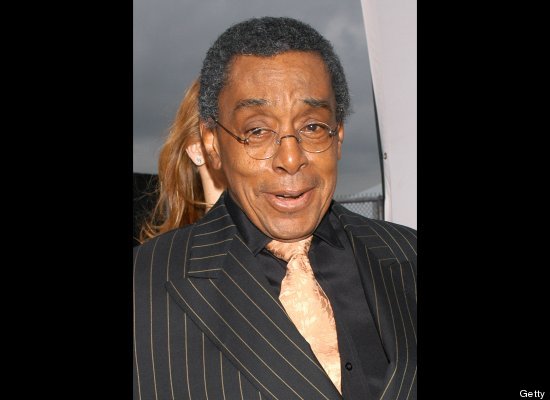
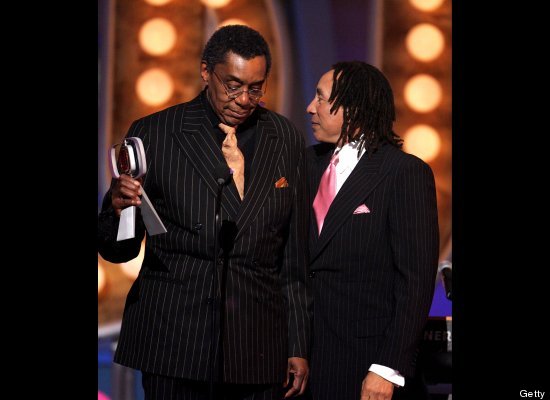
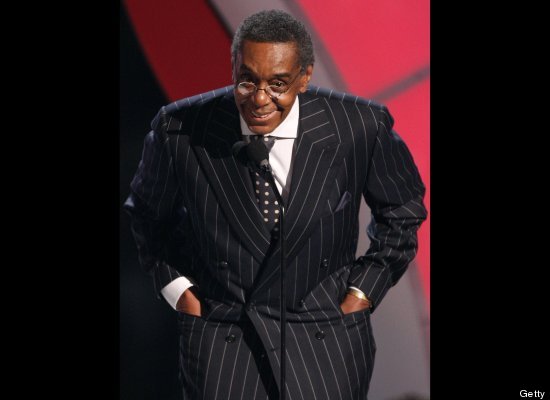
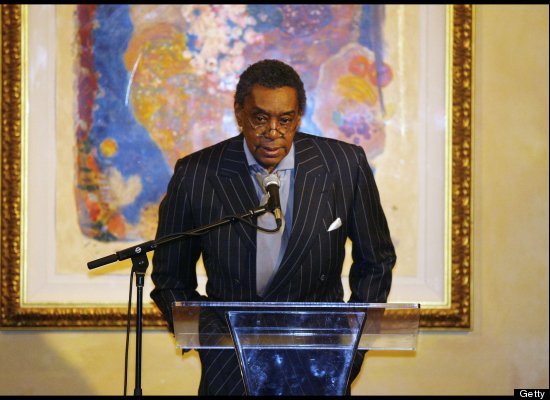
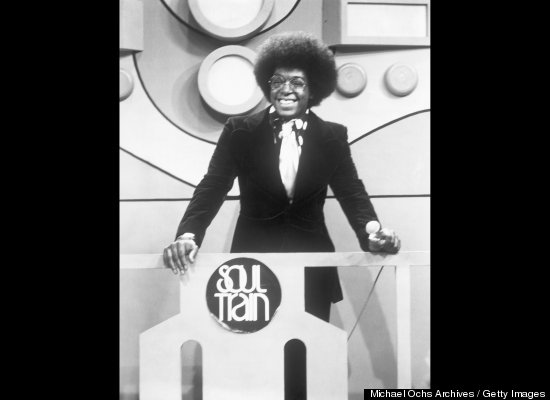
Don Cornelius, 1936-2012; Cultural Pioneer, Media Visionary, and Innovative Producer

Don Cornelius, 1936-2012


http://www.huffingtonpost.com/2012/02/01/don-cornelius-dead-soul-train_n_1246642.html

All,

Another GIANT has left the planet. Don Cornelius was a major visionary, innovator, and cultural leader whose fierce dedication to the best in African American popular culture permeated everything he did. Don was a truly independent black man of courage, decency, integrity, compassion, and intelligence who actually CARED deeply about black people and especially our youth. Cornelius and the legendary 'Soul Train' legacy that he left us will never be forgotten. Thank you for being there when we really needed you brother. Your dynamic television and radio programming taught the entire world just how great, inspiring, and valuable African American culture really is. RIP brother Don. You made the world a much better place and we will always be very grateful to you for that.

"You can bet your last money, it's all gonna be a stone gas honey! And in parting as always we wish you Love, Peace, and Soul!"

--Famous weekly signoff statement by Don Cornelius at the end of every 'Soul Train' program
Kofi

Don Cornelius Dead: 'Soul Train' Host And Creator Dies After Apparent Suicide Soul Train Creator, Don Cornelius, Dead February 1, 2012
Huffington Post

Don Cornelius, the creator and longtime host of the groundbreaking music show ‘Soul Train,' has died. He was 75.

According to the New York Times, the police responded to reports of gunshots at Cornelius's Sherman Oaks home. They found Cornelius with a gunshot wound to the head that appeared to be self-inflicted, according to the Los Angeles County coroner.

A radio news announcer by trade, Cornelius began moonlighting at WCIU-TV in the 1960s. While there, he toyed with the idea of creating an African-American version of "American Bandstand," Dick Clark's influential music show, with live dancing five days a week. On August 17, 1970, the first episode of Soul Train premiered on the station, and by the following year, it was being syndicated in other markets.

"If I saw `American Bandstand' and I saw dancing and I knew black kids can dance better; and I saw white artists and I knew black artists make better music; and if I saw a white host and I knew a black host could project a hipper line of speech – and I did know all these things [then it was reasonable to try]," he told the Associated Press in 1995.

"Soul Train" would go on to become the longest-running nationally syndicated show in history, airing from 1971 through 2006. Cornelius held down the hosting duties for most of that run, before stepping away in 1993. He remained as the program's executive producer and expanded the brand into an annual awards show.

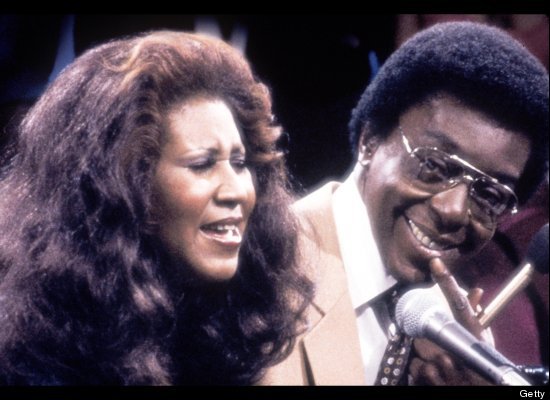
“It’s just so sad, stunning and downright shocking and a huge and momentous loss to the African-American community and the world at large," Aretha Franklin said. "Don Cornelius singlehandedly brought about a melding and unity of brother and sisterhood among young adults worldwide and globally with the unforgettable creation of Soul Train.”

The Rev. Al Sharpton, who was a protegé of James Brown, echoed those sentiments.

"I have known him since I was 19 years old and James Brown had me speak on 'Soul Train,'" Sharpton said in a statement. "We have maintained a friendship for the last 38 years. He brought soul music and dance to the world in a way that it had never been shown and he was a cultural game changer on a global level. Had it not been for Don Cornelius we would not have ever transcended from the Chitlin circuit to become mainstream cultural trendsetters."

Cornelius recently told the Los Angeles Times that there were early plans to create a movie based on the franchise. "We've been in discussions with several people about getting a movie off the ground," he said. "It wouldn't be the 'Soul Train' dance show, it would be more of a biographical look at the project. It's going to be about some of the things that really happened on the show."

In 2008, Cornelius was arrested and charged with spousal battery and dissuading a witness from making a police report, and assault with a deadly weapon. He was sentenced to three years probation.

During his rocky divorce battle with his ex-wife, Viktoria, TMZ reported that Cornelius made a morbid request in the couple’s divorce papers. "I am 72 years old. I have significant health issues," Cornelius said. "I want to finalize this divorce before I die."

Cornelius is survived by his two sons, Anthony and Raymond.

More from Jeff Wilson at the AP:

LOS ANGELES — Don Cornelius, the silken-voiced host of "Soul Train" who helped break down racial barriers and broaden the reach of black culture with funky music, groovy dance steps and cutting-edge style, died early Wednesday of an apparent suicide. He was 75.

Police responding to a report of a shooting found Cornelius at his Mulholland Drive home around 4 a.m. He was pronounced dead of a self-inflicted gunshot wound about an hour later at Cedars-Sinai Medical Center, according to the coroner's office.

A police cruiser sat parked at the entryway of Cornelius' home on a two-lane stretch of Mulholland Drive in the hills above Los Angeles as detectives searched inside. News cameras camped outside as drivers on their morning commute drove by.

Police Officer Sara Faden said authorities have ruled out foul play. Detectives have not found a suicide note and are talking to relatives about his mental state.

His death prompted many to speak of the positive influence he and his show had on pop culture, music and the black community.

"God bless him for the solid good and wholesome foundation he provided for young adults worldwide and the unity and brotherhood he singlehandedly brought about with his most memorable creation of `Soul Train,'" said Aretha Franklin, an early performer on the show.

Franklin called Cornelius "an American treasure."

The Rev. Jesse Jackson told KNX-Los Angeles that Cornelius "was a transformer."

"`Soul Train' became the outlet for African-Americans," Jackson said, adding that he talked to Cornelius a few days ago and there were no signs Cornelius was upset.

Others also expressed their grief.

"I am shocked and deeply saddened at the sudden passing of my friend, colleague, and business partner Don Cornelius," Quincy Jones said. "Don was a visionary pioneer and a giant in our business. Before MTV there was `Soul Train,' that will be the great legacy of Don Cornelius.

"His contributions to television, music and our culture as a whole will never be matched," he said. "My heart goes out to Don's family and loved ones."

Clarence Avant, former chairman of Motown Records, said, "Don Cornelius' legacy to music, especially black music, will be forever cemented in history. `Soul Train' was the first and only television show to showcase and put a spotlight on black artists at a time when there were few African-Americans on television at all, and that was the great vision of Don."

"Soul Train" began in 1970 in Chicago on WCIU-TV as a local program and aired nationally from 1971 to 2006.

It showcased such legendary artists as Franklin, Marvin Gaye and Barry White and brought the best R&B, soul and later hip-hop acts to TV and had teenagers dance to them. It was one of the first shows to showcase African-Americans prominently, although the dance group was racially mixed. Cornelius was the first host and executive producer.

"There was not programming that targeted any particular ethnicity," he said in 2006, then added: "I'm trying to use euphemisms here, trying to avoid saying there was no television for black folks, which they knew was for them."

Chairman and chief executive of Black Entertainment Television Debra Lee cited Cornelius as a personal role model. She said she used to finish her chores early on Saturday mornings so she could check out the latest music, fashions and dance moves on the show.

"He was such a pioneer in the black music space but also in the black business space," she said. "He created the show in a very hostile environment. He made it a success and he made it a destination for African-Americans and lovers of our culture all over the country and all over the world.

"His reach is just amazing, and personally he was such a charming man," she continued, calling Cornelius "a great interviewer who knew how to connect to artists" and had "the best voice in the world."

Earvin "Magic" Johnson also cited Cornelius' business acumen.

"Don Cornelius was a pioneer & a trailblazer," Johnson wrote on Twitter. "He was the first African-American to create, produce, host & more importantly OWN his own show."

And, Johnson added, "Soul Train taught the world how to dance!"

Other entertainers and music fans also shared their thoughts about the show and its creator on Twitter, where both Cornelius and "Soul Train" were top topics Wednesday.

Singer-actor Ginuwine remembered the smooth-voiced producer as "someone who paved the way for black music."

"I still remember my first time on soul train," he wrote, "what an experience."

On his blog, music mogul Russell Simmons called Cornelius "one of the greatest music legends there was."

"Don Cornelius gave artists who had been segregated from most mainstream vehicles of expression a chance to perform in front of a huge national audience," Simmons wrote. "It was a tremendous opportunity that changed their careers and the whole music industry. To win a Soul Train Music Award meant that the most sophisticated tastemakers in the world loved your work."

"Soul Train," with its trademark opening of an animated chugging train, was not, however, an immediate success for Cornelius, an ex-disc jockey with a baritone rumble and cool manner.

Only a handful of stations initially were receptive.

"When we rolled it out, there were only eight takers," he recalled in a 2006 interview with The Associated Press. "Which was somewhere between a little disappointing and a whole lot disappointing."

The reasons he heard? "There was just, `We don't want it. We pass,'" he said, with race going unmentioned. "No one was blatant enough to say that."

"Soul Train" had arrived on the scene at a time when the country was still reeling from the civil rights movement, political upheaval and cultural swings. It also arrived when black faces on TV were an event, not a regular occurrence.

"Soul Train" was seen by some at first as the black "American Bandstand," the mainstay TV music show hosted by Dick Clark. While "American Bandstand" featured black artists, it was more of a showcase for white artists and very mainstream black performers.

"Soul Train" followed some of the "Bandstand" format, as it had an audience and young dancers. But that's where the comparisons stopped. Cornelius, the suave, ultra-cool emcee, made "Soul Train" appointment viewing by creating a show that showed another side of black music and culture.

When it started, glistening Afros dominated the set, as young blacks boogied and shimmied to the music of the likes of Earth Wind & Fire and other acts perhaps less likely to get on "American Bandstand."

"May u rest in peace and thank u 4 ur platform," rapper Q-Tip wrote on Twitter. "U will always be remembered."

People tuned into to see the musical acts, but the dancers soon became as much of a main attraction. They introduced Americans to new dances and fashion styles, and made the "Soul Train" dance line – where people stand line up on each side while others sashay down to show their moves – a cultural flashpoint.

"The `Soul Train' line – that will go down in history as a way of dancing at parties all around the world," Lee said.

Though "Soul Train" became the longest-running syndicated show in TV history, its power began to wane in the 1980s and `90s as American pop culture began folding in black culture instead of keeping it segregated. By that time, there were more options for black artists to appear on mainstream shows, and on shows like "American Bandstand," blacks could be seen dancing along with whites.

But even when Michael Jackson became the King of Pop, there was still a need to highlight the achievements of African-Americans that were still marginalized at mainstream events. So Cornelius created the "Soul Train Awards," which would become a key honor for musicians. The series also spawned the Soul Train Lady of Soul Awards and the Soul Train Christmas Starfest.

Cornelius, who was inducted into the Broadcasting and Cable Hall of Fame in 1995 and has a star on the Hollywood Walk of Fame, said in 2006 he remained grateful to the musicians who made "Soul Train" the destination for the best and latest in black music.

"I figured as long as the music stayed hot and important and good, that there would always be a reason for `Soul Train,'" Cornelius said.

Neil Portnow, president and chief executive of the Recording Academy, called "Soul Train" a cultural phenomenon and its creator "a true visionary and trailblazer."

"He made an indelible impact on American television, one that will continue to be appreciated for generations to come," Portnow said. "His beautiful, deep voice and measured pace always sounded warm and familiar to the millions who admired and followed his broadcasts."

Cornelius stepped down as "Soul Train" host in 1993. The awards returned to the air in 2009 after two-year hiatus. Last year's awards were held on Nov. 27 in Atlanta, with Earth Wind & Fire receiving the "Legend Award."

In his later years, Cornelius had a troubled marriage. In 2009, he was sentenced to three years' probation after pleading no contest to misdemeanor spousal battery. In his divorce case that year, he also mentioned having significant health issues.

___

Moody reported from New York. Associated Press writers Robert Jablon, Anthony McCartney, Lynn Elber and Sandy Cohen in Los Angeles contributed to this report.


http://www.chicagotribune.com/entertainment/music/turnitup/chi-don-cornelius-legacy-legacy-of-soul-train-host-20120201,0,2718985.column

Don Cornelius:
Peace, love, soul -- and civil rights

by Greg Kot

Music critic

February 1, 2012

Chicago Tribune

Don Cornelius, who died Wednesday at 75, was a civil-rights pioneer disguised as a dance-music-show host. He used to sign off the “Soul Train” show he founded by wishing his viewers “love, peace and soul,” and devoted every programming minute to proving he meant it.

The baritone-voiced host slipped into many roles on “Soul Train” and made it look easy, like he was trying on just another tailored double-breasted suit. He was a music tastemaker, fashion leader, smooth talker and business innovator, a national icon who could broker a deal or bust a move on the dance floor without seeming to break a sweat.

But his role as a civil-rights leader is perhaps his most significant contribution, even though he didn’t call attention to it. Cornelius worked uplifting community messages into his programming, and created a social context for “Soul Train” that was as radical and empowering as any equal-rights speech or rally.


As Roots drummer Ahmir “Questlove” Thompson wrote Wednesday after Cornelius was found dead of an apparently self-inflicted gunshot wound at his Sherman Oaks, Calif., home, “Next to (Motown founder) Berry Gordy, Don Cornelius was hands down the most crucial nonpolitical figure to emerge from the Civil Rights era post-‘68.”

Thompson went on to amplify that assertion on his blog at Okayplayer.com: “To say with a straight, dignified face that ‘black is beautiful’ was the riskiest, (most) radical life-changing move that America has seen. And amazingly enough for one hour, for one Saturday out (of) the week, if you were watching ‘Soul Train,’ it became contagious. Next thing you know you are actually believing you have some sort of worth. The whole idea of Afro-centrism in my opinion manifested and spread with ‘Soul Train’ in its first six years.”

To do it, Cornelius had to break through the walls that had barred African-Americans from power in television and music. In 1970 he went from juggling jobs as an insurance salesman, police officer, TV reporter and radio DJ in Chicago to hosting a local, low-budget African-American answer to Dick Clark’s “American Bandstand.” By the next year, he was going national and soon every major black performer was clamoring to be on his syndicated show. James Brown, Aretha Franklin, Al Green and Sly Stone were among his guests. Barry White showed up in a black velvet tux with a 40-piece orchestra in the midst of his larger-than-life heyday. The renowned Philadelphia songwriting and production team of Kenny Gamble and Leon Huff wrote the show’s theme song.

At a time when commercial radio was segregating across lines of style and race, Cornelius presented the richness of black music in all its variety to a national audience. He effectively became the most powerful DJ in America.

He also showed the ability to adapt, keeping the show relevant through the disco and hip-hop eras, even though he was not particularly a fan of either style of music. He hosted the most important hip-hop artists of the time, including L.L. Cool J, Snoop Doggy Dogg and Public Enemy. For many of these acts, “Soul Train” would be the first national television exposure they would receive.

“We didn’t get nationally known until we did ‘Rebel Without a Pause’ on ‘Soul Train’ in 1987,” Public Enemy’s Chuck D said Wednesday on Twitter. “We thanked Don forever.”

“Soul Train” did more than just passively present the music. At its core, Cornelius’ show was about a community responding – creatively, spontaneously, ecstatically -- to the music made for it. The palpable excitement of that interaction opened up African-American culture to the rest of the world and made it not only more accessible but also desirable, hip, fun.

Cornelius’ primary ambassadors were the dancers he hired. Initially, they were teenagers and young adults he met at the parties he used to DJ in Chicago. A number went on to become famous in their own right: Jody Watley, M.C. Hammer, and future Bears running back Walter Payton. They brought a street flair to the show that made “American Bandstand” seem tame, and their dance moves – the pop and lock, robot, moonwalk – were studied and often emulated by viewers, including a young Michael Jackson.

The show’s cultural cache – documenting and spreading the gospel of not just music, but African-American dance, slang, hairstyles and fashion – was tied to Cornelius' acumen as a businessman. As Berry Gordy was to music, Cornelius was to the intersection of music and television. He cut a path for future African-American music moguls such as Russell Simmons, L.A. Reid, Sean “Puffy” Combs and Jay-Z, as well as Bob Johnson, who founded the Black Entertainment Television cable network in 1980. Cornelius partnered with George Johnson and Johnson Products, another black-owned Chicago institution, as an early sponsor.

“At the time, there weren’t many black advertisements or black figures appearing in ads, so there really was no place else to put them,” said Todd Boyd, a professor of critical studies at USC. “If you want to go back in the late 1950s, Nat King Cole’s show was canceled because they couldn’t find a sponsor. By the ’70s, Don Cornelius was pushing the [black] culture into the mainstream and also introducing concepts around sponsorship and advertising that previously had no other places to exist except the pages of John Johnson’s publications (Jet and Ebony).”

Cornelius quit as host in 1993, but continued to oversee everything from behind the scenes until the show’s demise more than 15 years later. Last September, Cornelius was coaxed back to Chicago from his California home for a week of festivities honoring the show’s 40th anniversary. About 15,000 people attended a concert at the Pritzker Pavilion in Millennium Park headlined by his friends Jerry Butler, the Impressions, the Emotions andChi-Lites. Cornelius, dressed in black leather, got the biggest ovation, the decades of memories compressed into a sustained moment of appreciation.

“It was pretty emotional,” said Richard Steele, the old friend who co-hosted the concert with DJ Herb Kent. “To look out and see all those people who came because it was ‘Soul Train,’ he was really moved by that.”

“At the end they also presented him with a street sign,” said Steele, now a host and producer at WBEZ-FM 91.5. “He was pretty shook up… When he did the customary sign-off he used to do, ‘Love, peace and soul,’ well, they went crazy.”

greg@gregkot.com

The Tribune’s Steve Johnson and Los Angeles Times staff writers contributed to this report.


http://en.wikipedia.org/wiki/Don_Cornelius

Don Cornelius
From Wikipedia, the free encyclopedia


Don Cornelius at the 40th anniversary event for Soul Train. Born Donald Cortez Cornelius September 27, 1936 Chicago, Illinois, U.S. Died February 1, 2012 (aged 75) Sherman Oaks, California, U.S. Occupation Television host/Producer Years active 1966–2010 Known for Creator of Soul Train

Donald Cortez "Don" Cornelius (September 27, 1936 – February 1, 2012) was an American television show host and producer who was best known as the creator of the nationally syndicated dance/music franchise Soul Train, which he hosted from 1971 to 1993. Cornelius sold the show to MadVision Entertainment in 2008.

Cornelius was born in Chicago's South Side on September 27, 1936,[1] and raised in the Bronzeville neighborhood. Following his graduation from DuSable High School in 1954, he joined the United States Marine Corps and served 18 months in Korea. He worked at various jobs following his stint in the military, including selling tires, automobiles and insurance and as an officer with the Chicago Police Department.[2] He quit his day job to take a three-month broadcasting course in 1966 despite being married with two sons and only US $400 in his bank account.[1] In 1966, he landed a job as an announcer, news reporter and disc jockey on Chicago radio station WVON.
Prior to moving the show to Los Angeles where it went into national syndication, Cornelius began SOUL TRAIN as a local show on WCIU-TV in Chicago in the mid 1960s.[3][4][5]

Originally a journalist inspired by the civil rights movement, Cornelius recognized that in the late 1960s there was no television venue in the United States for soul music, and introduced many African-American musicians to a larger audience as a result of their appearances on Soul Train, a program that was both influential among African-Americans and popular with a wider audience.[6] As writer, producer, and host of Soul Train, Cornelius was instrumental in offering wider exposure to black musicians such as James Brown, Aretha Franklin, and Michael Jackson, as well as creating opportunities for talented dancers that would presage subsequent television dance programs.[7] Cornelius said "We had a show that kids gravitated to," and Spike Lee described the program as an "urban music time capsule."[7]

Besides his smooth and deep voice, Cornelius was best known for the catchphrase that he used to close the show: "... and you can bet your last money, it's all gonna be a stone gas, honey! I'm Don Cornelius, and as always in parting, we wish you love, peace and soul!" After Cornelius's departure, it was shortened to "...and as always, we wish you love, peace and soul!" and was used through the most recent new episodes in 2006. Another introductory phrase he often used was: "We got another sound comin' out of Philly that's a sure 'nough dilly".

He had a small number of film roles, most notably as record producer Moe Fuzz in 1988's Tapeheads.

The 2008 Soul Train Music Awards ceremony was not held due to the WGA strike and the end of Tribune Entertainment complicating the process of finding a new distributor to air the ceremony and line up the stations to air it. The awards show was moved in 2009 to Viacom's Centric cable channel (formerly BET J), which now airs Soul Train in reruns.

Cornelius last appeared at the 2009 BET Awards to present The O'Jays with the 2009 BET Lifetime Achievement Award.

He not only brought us the music, birthed stars and started dance crazes, but he also did insightful interviews with musicians that gave us a unique peak into their lives, values, and personalities. He integrated messages on social justice into the music setting. He was the epitome of cool! Mr. Cornelius was a pioneer in every sense of the word.

--He was the first Black owner of a nationally syndicated TV franchise
--He set the precedent for a wave of Black entrepreneurship in the entertainment business and formed powerful alliances with Black-owned sponsors
--He hosted a program that endured for 35 seasons
--He founded the “Soul Train Line” that is the mainstay of most African American parties
--He increased the hiring of Black professionals in the entertainment business both in front of and behind the camera

Soul Train was one of the first brands other than Motown to take its brand into other business areas, like the Soul Train award shows.

Thursday, October 28, 2010

The Clear and Present Danger to Social Democracy, Economic Justice, and Cultural Literacy

http://www.truth-out.org/farewell-mon-amour-prospects-democracys-electoral-defeat64535

All,

The following essay by renowned educational scholar, cultural critic, author, social activist, and radical philosopher Henry Giroux raises profound and very important questions about our current path as a society and culture in the United States and does a scathing critique of how and why our corrupt politics and rapacious economic system-- as well as a general lack of real moral courage and philosophical vision-- is contributing to a very disturbing societal and cultural decline...

Kofi

Farewell Mon Amour: Prospects on Democracy's Electoral Defeat
Tuesday 26 October 2010
by: Henry A. Giroux, t r u t h o u t | Op-Ed


Something is profoundly wrong with the way we live today. For thirty years we have made a virtue out of the pursuit of material self-interest: indeed, this very pursuit now constitutes whatever remains of our sense of collective purpose. We know what things cost but have no idea what they are worth. We no longer ask of a judicial ruling or a legislative act: is it good? Is it fair? Is it just? Is it right? Will it help bring about a better society or a better world? Those used to be the political questions, even if they invited no easy answers. We must learn once again to pose them. --Tony Judt

In the midst of one of the greatest economic disasters the United States has ever faced, the Gilded Age and its updated "'dreamworlds' of consumption, property and power" have returned from the dead with zombie-like vengeance.(1) Poised now to take over either one or two houses of Congress, the exorbitantly rich along with their conservative ideologues wax nostalgically for a chance to once again emulate that period in 19th century American history when corporations ruled political, economic and social life, and an allegedly rugged entrepreneurial spirit prevailed unchecked by the power of government regulations. Wild West, casino capitalism, unhampered by either ethical considerations or social costs, has reinvented itself and become the politics of choice in this election year. Enthusiasm runs high as billions of dollars flow from hidden coffers into the hands of anti-public politicians, whose only allegiance is to power and the accumulation of capital.

In spite of almost unprecedented levels of inequality, hardship, human suffering and widespread public despair caused by the financial robber barons of Wall Street, the politics and values of Gilded Age excess are now celebrated by conservatives and Tea Party politicians, who define their retrograde politics as "having a flair for business, successfully [breaking] through the stultifying constraints that flowed from the New Deal" and using "their successes and their philanthropy [to make] government less important than it once was."(2) There is more at work here than a neo-feudal world view in which the future can only be measured in immediate financial gains and the amassing of colossal amounts of economic and political power. Massive disparities in wealth and power along with the weakening of worker protections and the destruction of the social state are now legitimated through a set of market-driven values in which politics is measured by the degree to which it evades any sense of actual truth and turns its back on even a vestige of moral responsibility. Under casino capitalism, politics increasingly becomes a front for the legitimation and exercise of ruthless corporate power. As politics loses its social purpose, not only does the state increasingly resort to modes of punishment, but the rules of politics are eviscerated of any moral and social responsibilities. Robber barons now decide the rules, and one consequence of such actions is that politics loses all sense of moral direction. Indeed, under such circumstances, the pathologies of inequality and injustice that cripple viable democracies are now rendered as inevitable and often celebrated as both a cleansing element and condition of politics itself.

If the first rule of robber baron politics is to make power invisible, the second is to make it unaccountable and the third rule is to give as much power as possible to those who revel in barbaric greed, social irresponsibility, unconscionable economic inequity, corrupt politics, resurgent monopolies and an unapologetic racism (parading as an attack on political correctness no less). The mainstream media and its rarely changing talking heads may wax endlessly about the populist anger fueling the current political climate, but it is a tragic mistake to overlook the fact that populism driven by authoritarian politics, while supplying an unmistakable enthusiasm to the current phase of electoral politics, is distinguished by and should be analyzed critically for the threat it poses to a democratic society.

A marauding market fundamentalism now rules most aspects of American life and the ever present and aggressively marketed forces of insecurity, fear, racism and retrograde common sense have become the organizing elements shaping everyday life. Global flows of capital now work in tandem with the logic of deregulation, privatization and commodification, while democracy at home is invoked under the conceit of the all encompassing "war on government," portrayed by Republicans in some cases as even more dangerous than al-Qaeda. This tawdry mobilization of fear and vitriol in the service of the most naked financial interests and elements of economic power is now staged as a 24-hour media performance that mimics the tawdriness and deceit of a rampant culture of corporate corruption and secrecy, now fully sanctioned by a Supreme Court, which in its 5-4 passage of the Citizens United decision, has willingly handed the government over to the Wall Street bankers, energy companies, insurance giants, hedge fund executives and the likes of the high flying stooges from the likes of Goldman Sachs. As finance capital reigns supreme over American society bolstered by the new and peculiar depoliticizing power of the corporate controlled media, democratization along with the public spheres needed to sustain it becomes an increasingly fragile if not dysfunctional project. Civic courage along with critical dissent are now in short supply, expunged to the margins of the alternative media and disdained by official power, even at the highest levels of government. Left and progressive critics are now described as whiners by both Obama and his politically and ethically deaf advisers. And while President Obama surfaced initially as someone who symbolized the antithesis of the moral vacuity and politics of illegality that characterized the Bush presidency, moral courage and civic leadership have been in short supply during his last two years in office. Rather than giving new life to the values of civic courage, economic justice and political idealism, Obama sacrificed such ideals to the advice of the gang of thieves who became his chief advisers. Consequently, Obama's unwillingness to fight for the democratic ideals he gave lip service to during his election campaign has given way in the last few years to a willingness on the part of his administration to overlook both the crimes committed by the financial elite, who brought us the current economic recession, and the political elite, who savaged civil liberties and made an illegal war and torture itself officially state-sanctioned policies. Forever appealing to the ideal of post-partisan politics, Obama lost sight of his moral compass and his capacity to fight for the democratic ideals he gave lip service to in his presidential campaign. One small indication of his bad judgment and the cleansing nature of his Harvard University acquired cultural capital came early in his presidency when he chose Beyonce over the inimitable Etta James to sing the latter's signature song "At Last" at his inaugural ball - a glimpse of the poor judgment and bad faith to come. James embodied the courage, poverty, bawdiness, passion, desire, history, suffering and perseverance of groups that Obama left behind once elected - a stark reminder of the kind of cultural and intellectual capital he would avoid as he began to surround himself with the alleged best and brightest.

Dark clouds are forming on the political and economic landscape of America, and while the precise nature of the current election is still unclear, one thing is resoundingly obvious. We have now entered another and more dangerous period of Gilded Age excess in which the primary political and economic forces dominating American life add up to what is unique about the current political conjuncture: its hatred of reason, freedom and democracy.(3) The possibilities of democracy are now addressed not through reason and critical debate, but with lies, stupidity, ignorance and a seething disdain for critical analysis, thoughtfulness and truth, all bought and sold through the power and money of goose-stepping billionaires such as the Koch brothers and Rupert Murdoch, who view democracy as a disease that must be crushed.(4) In an age of great insecurity marked by a persistent fear of losing one's job, house and control over the routines of daily life, the billionaire demagogues offer a politics without substance, shared fears rather than shared responsibilities and freedom without the benefit of social protections - and they do it by drowning out other voices through the sheer power of their deep pockets of wealth and power. There is no language about injustice and unfairness in these discourses, just the ramped up anger and noise of those who want to hand over all the social obligations of the state to private agencies so that "nothing remains to bind the citizen to the state but the fear of authority." And as Terry Eagleton has pointed out, "The result ... is an 'eviscerated society,' one stripped of the thick mesh of mutual obligations and social responsibilities to be found" in democratic states that celebrate rather than demonize the common good and public values.(5)

As the economy collapses and the call for austerity is used to punish the victims rather than perpetrators of economic corruption, the welfare state and social protections are relegated to a jaded memory. At the same time, a market ideology and morality reminiscent of the Gilded Age has once again become a triumphal success aggressively narrowing the meaning of freedom and the relevance of all public good and public institutions at odds with the logic of privatization and capital accumulation for the rich. With these transitions the more abstract concepts of individual agency and citizenship have been utterly devalued, stripped of any substantive meaning in an aspiring democracy. Right-wing politicians spend millions to win elections, distinguish themselves by calling for the dismantling of the social state and refer to those who need social services as burned out houses or jerks and freeloaders. The ideology of privatization is used to disparage not simply social services, but all public institutions whether they be schools, hospitals or transportation systems. Violence and a culture of cruelty now spread through the society like a wild fire and the costs can be seen in the suicides of gay teenagers, heartless images of firefighters laughing while a house burns down because the owners did not pay the required fee for the service, talking heads equating all Muslims with terrorists and billionaires such as Bill Gates calling for cuts in the pensions of hard working teachers. The survival-of-the-fittest ethic is no longer the narrative driving reality TV; it is now a central conception of politics and everyday life. Economic discourse now trumps social justice, reinforced by the ever popular chant of market evangelicals who unabashedly call for a society, if not a world, in which "all human activities and spaces can and should be absorbed into economic systems."(6) But there is more at stake here than the rise of iniquitous relations of wealth and power and the profound hardships that ensue for most Americans, there is also the rise of a punishing state that increasingly views a number of everyday problems as matters of law and order. With a prison population of 2.3 million, the United States now incarcerates more people than any other nation in the world; it also resorts increasingly to governing through a crime complex to deal with social problems far removed from the discourse and culture of criminality. How else to explain the return of debtor prisons, the modeling of urban public schools after the culture of prisons, or the recent call by a county prosecutor in Michigan for a law that "could punish parents with jail time for repeatedly missing their children's parent teacher conferences"?(7) As the state is removed from supplying public services, the only relationship the public increasingly has with it is one marked by suspicion and fear. The lesson here is that the rich get rewarded for their bad deeds as made clear in the Bush-Obama bailouts of the too-big-to-fail banking and investment houses of Wall Street, while the middle class and the poor are evicted from their homes under threat of criminal action or threatened with jail time if they don't pay their soaring debts. Fraud in high places becomes an investment opportunity as indicated in the case of Angelo Mozilio, the godfather of subprime mortgages and the former chief executive of Countrywide who managed to pocket $521 million as a result of criminal practices, but was "punished" by the Securities and Exchange Commission by having to pay back only $47.5 million out of his own pocket. Crime truly pays, except for the poor and middle class.(8)

We have become a country in which democracy is no longer a viable dream; rather, it is a living nightmare haunting those who now control the reins of financial power, the media and the Supreme Court. What we are witnessing in the 2010 elections is the triumph of an "argument against politics, or at least against a politics that attempts to govern society in social rather than economic terms."(9) If we are to believe Sharron Angle, Sarah Palin, John A. Boehner, and all the other cheerleaders for free-market fundamentalism, freedom only becomes meaningful when decoupled from any vestige of the social, while most welfare provisions are seen as benefiting those deemed immoral and lazy, if not utterly unworthy. Government responsibility only applies to servicing the defense budget, providing tax relief for the rich and providing handouts for corporations. When used to service the public good, government responsibility is disparaged by being called a form of socialism, a term that no longer has any meaning except to discredit an idea unacceptable to market-driven fundamentalists. At the same time, those who opposed the notion of social provisions and the social state now wrap themselves in the mantle of victims who are being unduly taxed and victimized by a government that is out of control. This is more than the hypocritical mourning of the super rich who somehow have become the primary victims of the Obama government, but also the hard-wired common sense ideology that floods the right-wing pedagogical machines such as Fox News. While it is often pointed out that there is a contradiction among railing against deficits while supporting two wars and supporting tax cuts for the ultra-rich, what is missed in this critique is that there is more at stake here than faulty logic, but also an unabashed support for a politics that despises democracy and welcomes an authoritarian economic system that largely benefits mega-financial corporations and the ultra rich.

One of the most distinctive features of politics in the United States in the last 30 years is the inexorable move away from the promise of equality, human dignity, racial justice and freedom - upon which its conception of democracy rests - to the narrow and stripped-down assumption that equates democracy with market identities, values and social relations. Hollowed out under a regime of politics that celebrates the trinity of privatization, deregulation and financialization, democracy has been replaced by a politics of disposability and a culture of cruelty. Driven by the imperative to accumulate capital and consume at all costs, the current form of casino capitalism rewards those who participate in casino capitalism with the protections of a devalued form of citizenship, while those who can't take part as consumers are seen as "failed" and "ever more disposable."(10) In this scenario, freedom is transformed into its opposite for the vast majority of the population as a small, privileged minority can purchase time, goods, services and security, while the vast majority increasingly are relegated to a life without protections, benefits and support. For those populations considered expendable, redundant and invisible by virtue of their race, class and youth, life becomes increasingly precarious. But if consumerism and an indifference to the common good are the defining features of citizenship under casino capitalism, a galloping inequality and the privileges it brings to powerful corporations and the ultra rich is the ultimate badge of acceptance and success.

Mounting signs of increasing redundancy, dispensability and social death are evident in the depression-level jobless rates in which one in six Americans are either unemployed or underemployed,(11) 44 million live in poverty, one in seven adults receive food stamps and 51 million people are without health insurance.(12) It gets worse. As David DeGraw points out:

we have over 50 million people who need to use food stamps to eat and a stunning 50 percent of U.S. children will use food stamps to eat at some point in their childhoods. Approximately 20,000 people are added to this total every day. In 2009, one out of five U.S. households didn't have enough money to buy food. In households with children, this number rose to 24 percent, as the hunger rate among U.S. citizens has now reached an all-time high.... Over five million U.S. families have already lost their homes, in total 13 million U.S. families are expected to lose their home by 2014, with 25 percent of current mortgages underwater.... Every day 10,000 U.S. homes enter foreclosure. Statistics show that an increasing number of these people are not finding shelter elsewhere, there are now over 3 million homeless Americans and the fastest-growing segment of the homeless population is single parents with children.(13)

Such statistics give new meaning to the slogan "live free or die." The cost of this politics of disposability becomes clear in heartbreaking stories about 15.5 million young people who are living in poverty, dropping out of school in record numbers, suffer serious health problems that go untreated, or literally end up in prison. What advocates of casino capitalism ignore in their homage to market relations and individual responsibility as the essence of our national spirit are the growing numbers of bodies, the mounting despair, the ever-growing forms of social death and disposability under a regime of market-driven discourses and policies that support the irrational belief that the market can solve all problems. The collateral damage that reveals the lie of this allegedly unassailable form of common sense can be glimpsed in the fate of millions who are now homeless, out of work, out of luck and living in despair, as well as in the moral vacuum that has overtaken a country awash in the idiocy of celebrity culture, game shows and a dominant media that shamelessly refused to exercise any sense of political and moral accountability. Instead of focusing on the uncomfortable truths that emerge daily in the expanding narratives of despair and neglect facing millions of families caught in the grip of economic devastation, the country is treated daily to an infomercial provided by the ultra rich and aired through all the channels of the official cultural apparatus, urging us to mimic the very values that brought us the current recession and the ongoing human hardships it has produced.

Social and political death becomes the fate of more and more people just as the current crop of right-wing politicians and anti-public intellectuals argue that social problems can only be solved through the depoliticizing vocabularies of the therapeutic and emotional, often enmeshed in the rigid political and moral certainties of bigotry, intolerance, racism, ideological purity and religious fundamentalism. The language, values and policies of casino capitalism have become the template for solving all of society's problems. As such, it employs the first rule of politics in which power becomes invisible and the root causes of our social, economic and political problems are simply canceled out through a shameless appeal to the discourse of self-help, personal responsibility and self-reliance, operating under the conceit of neutrality and efficiency, while effectively erasing everything required both to understand the demands of responsible citizenship and to address the major social issues of our time. As Frank Rich points out, casino capitalism has done more than create an economic crisis, it also offers a future for the United States in which an obscene inequality and economic unfairness drive young people into careers in which getting rich is their only motivation, public services collapse and a economically stressed middle class loses faith in government and turns its back on any sacrifice in favor of expanding the public good.(14) Young people are increasingly presented with a future in which there is no language of democracy, justice, solidarity and the public good. Instead, they offered a language that maximizes self interest, undermines any shared sense of purpose and devalues public service. Under such conditions the formative culture necessary for critical citizens and a vibrant democracy collapses into a Hobbesian world in which the competitive, self-absorbed, unattached, materialistic individual consumer is the only meaningful category of citizenship.

There are many commentators who believe this upcoming election is a referendum on the policies of Barack Obama and they are partly right. But more importantly, this election is a referendum on the call to do away with democracy once and for all, to make the politics of disposability a central feature of everyday life and to usher in a form of casino capitalism in which the democratic state is replaced by the corporate state. Obama's failure of nerve now seems beside the point. His deplorable record has less to do with bailing out the rich, undermining crucial civil liberties and reinforcing the permanent war policies of the United States than with losing touch with any vestige of moral and civic courage in confronting myriad attacks on democratic life. His is the pathetic legacy of squandered public faith and support that ushered him into office; he could have drawn upon it to make power accountable while mobilizing those populations for whom democracy has always been more of an ideal than a reality. The collateral damage we now suffer is not only the frightening image of a soon to be governing party that embraces enthusiastically all of the sordid elements of casino capitalism, but one that will do its best to put democracy to rest once and for all.

Footnotes:

1. Mike Davis and Daniel Bertrand Monk, "Introduction," Evil Paradises (New York: The New Press, 2007), p. ix. On the return of the Gilded Age, see Michael McHugh, "The Second Gilded Age: The Great Reaction in the United States," 1973-2001 (Lanham: University Press of America, 2006).
2. Louis Uchitelle, "The Richest of the Rich, Proud of new Gilded Age," The New York Times (July 15, 2007). Online here.
3. Jacques Rancière, "Hatred of Democracy" (London: Verso, 2006); Henry A. Giroux, "The University in Chains: Confronting the Military-Industrial-Academic Complex" (Boulder: Paradigm, 2007); Henry A. Giroux, "Against the Terror of Neoliberalism" (Boulder, Paradigm, 2008); Henry A. Giroux, "Politics After Hope: Obama and the Crisis of Youth, Race and Democracy" (Boulder, Paragidgm, 2010).
4. See Lee Fang, "Memo: Health Insurance, Banking, Oil Industries Met with Koch, Chamber, Glenn Beck to Plot 2010 Elections," Think Progress (October 20, 2010). Online here.
5. Terry Eagleton, "Reappraisals: What is the worth of social democracy?" Harper's Magazine, (October 2010), p. 78.
6. Lawrence Grossberg, "Caught in the Crossfire: Kids, Politics and America's Future" (Boulder: Paradigm, 2005), p. 117.
7. Duborah Brunswick, "Prosecutor Proposes Jail Time for Parents Who Miss Teacher Conferrences," CNN.com (October 21, 2010). Online here.
8. See Frank Rich, "What Happened to Change We Can Believe in?" The New York Times (October 23, 2010), P. WK10.
9. Ibid., p. 117
10. Jean Comaroff and John L. Comaroff, "Millennial Capitalism: First Thoughts on a Second Coming," Public Culture 12: 2 (Duke University Press, 2000), p. 301.
11. Paul Krugman, "Defining Prosperity Down," The New York Times, (August 1, 2010), p. A17.
12. Erik Eckholm, "Poverty Rate Rose Sharply in 2009, Says Census Bureau," The New York Times, (September 16, 2010).
Online here.
13. David DeGraw, "The Economic Elite Have Engendered an Extraordinary Coup, Threatening the Very Existence of the Middle Class," Alter Net, (February 15, 2010). Online here.
14. Frank Rich, "What Happened to Change We Can Believe in?" The New York Times (October 23, 2010), P. WK10.