Left to right: Donald T. Sterling, Owner of the Los Angeles
Clippers, and President Barack Obama
Clippers, and President Barack Obama
Ray,
You're absolutely 100% correct in your critical assessment of Obama's all too typically insipid, bumbling, and frankly inept response to yet still ANOTHER national racist incident in what has in the past five years become an unending series of openly vicious and/or lethal attacks on the humanity of African American citizens in this country. Everyone that I've spoken to around the country and especially out here on the left coast about these latest episodes (e.g. Donald Sterling, Cliven Bundy, etc.) are up in arms not only about these continuous attacks but are like me and every single person I know are equally LIVID about the outright pathetic and even cowardly performance of the President who astonishingly as you've very accurately described looks, sounds, and acts like some incredibly clueless, hapless, long suffering purveyor of white guilt more than anything else. I can't begin to tell you how truly incensed and outraged so many African Americans are around the country concerning what you've so clearly addressed in your letter. My wife and I in fact were fuming about precisely what you've mentioned here yesterday as we watched Obama stand behind the podium at a press conference in Malaysia looking for all the world like a trembling deer in the headlights of a MAC TRUCK. From the infamous Skip Gates episode when the Harvard professor was unjustly arrested and handcuffed by white cop in Cambridge, Mass. in his own home (remember the idiotic "beer summit"?) to the notorious Shirley Sherrod incident where both the President and the NAACP initially made blatantly false accusations rooted in their ignorant fear of white backlash against her--without even trying to discover the facts or find out the truth beforehand-- to the wanton racist murders of Trayvon Martin and Jordan Davis and his ludicrous "Brother's Keeper" initiative which I wrote about in the Panopticon Review on March 4, 2014, Obama has consistently been downright cowardly in his feeble responses. For contrast imagine what Obama would have said if these exact same episodes like the brazen white supremacist stunt that Cliven Bundy pulled off this week had been attempted by an African American or a Latino American male. Imagine if black adult men were racially stalking and murdering unarmed white teenage youths and insisting they were more than justified in doing so. Just imagine! I can absolutely guarantee you that Obama wouldn't be stuttering and muttering in a wimpering passive voice, that's for damn sure, because you can be assured that White America wouldn't tolerate these incidents or a mealy-mouthed response from the President for a NANOSECOND...
Thank you for your incisive and truthful remarks brother. They are not only deadly accurate but need to be repeated as often as possible--and will be!-- across this country because we all know--or should by now!--that these heinous displays of white supremacy are only going to get worse in the wake of the President's and our own currently pathetic and inept national responses to them. In this lethal context, "the more things stay the same, the less Obama changes" is sadly and infuriatingly at this point a gross understatement...
Kofi
Subject: Re: Obama, mediocre again
by Rayfield Waller
He's done it again.
In responding at some podium somewhere (never from the Oval Office, which might give a veneer of official pronouncement to his mumblings) to the news of an NBA team owner speaking out loud the racism the rest of the owners only think and act on daily without words, President Obama reacted with all the focus, clarity, and vision of a dead fish. As he spoke haltingly, oddly, in a tone that somehow sounded as if he was suffering White guilt (??) he demonstrated again how when race is the matter, his wits go wandering in a gyre of passive voice locutions featuring a gaggle of past participles accompanied by few if any verbs.
He displayed this typical reluctance of his to say anything firm and decisive or God forbid even declarative about perhaps intervening in a rising tide of ugly American, popular racism. His refusal to speak of maybe even acting on his own presidential powers is unaffected it seems even by a safe distance from America--he muttered and hawed this time from a foreign country, using one of their podia rather than the White House Press Corp's bull room podium. It's not necessary to 'o anything' he essentially said, because when people talk so hatefully about African Americans (and in this case, by derivation, Latinos too), 'you just let them talk,' and wait on them to hang themselves, presumably.
The president assured the foreign press, who seemed more concerned for the well-being of Blacks than a Black president did, that 'these sorts of things' (expressions of contempt for African Americans broadcast on national and international TV in the form of a millionaire, unaware that he was being recorded, displaying not just racism, but misogyny in the bargain as he berates his Latina significant other about interacting with Black people) still crop up from time to time.
Like gout, presumably.
It reminds me of what I wrote about Obama in Panopticon Review back in July 2013 following the Zimmerman verdict acquitting Trayvon Martin's murderer:
"When pressed by horrific racial events he sets his words on a trajectory of bathos rather than critique."
The more things stay the same, the less Obama changes.
Ray
You're absolutely 100% correct in your critical assessment of Obama's all too typically insipid, bumbling, and frankly inept response to yet still ANOTHER national racist incident in what has in the past five years become an unending series of openly vicious and/or lethal attacks on the humanity of African American citizens in this country. Everyone that I've spoken to around the country and especially out here on the left coast about these latest episodes (e.g. Donald Sterling, Cliven Bundy, etc.) are up in arms not only about these continuous attacks but are like me and every single person I know are equally LIVID about the outright pathetic and even cowardly performance of the President who astonishingly as you've very accurately described looks, sounds, and acts like some incredibly clueless, hapless, long suffering purveyor of white guilt more than anything else. I can't begin to tell you how truly incensed and outraged so many African Americans are around the country concerning what you've so clearly addressed in your letter. My wife and I in fact were fuming about precisely what you've mentioned here yesterday as we watched Obama stand behind the podium at a press conference in Malaysia looking for all the world like a trembling deer in the headlights of a MAC TRUCK. From the infamous Skip Gates episode when the Harvard professor was unjustly arrested and handcuffed by white cop in Cambridge, Mass. in his own home (remember the idiotic "beer summit"?) to the notorious Shirley Sherrod incident where both the President and the NAACP initially made blatantly false accusations rooted in their ignorant fear of white backlash against her--without even trying to discover the facts or find out the truth beforehand-- to the wanton racist murders of Trayvon Martin and Jordan Davis and his ludicrous "Brother's Keeper" initiative which I wrote about in the Panopticon Review on March 4, 2014, Obama has consistently been downright cowardly in his feeble responses. For contrast imagine what Obama would have said if these exact same episodes like the brazen white supremacist stunt that Cliven Bundy pulled off this week had been attempted by an African American or a Latino American male. Imagine if black adult men were racially stalking and murdering unarmed white teenage youths and insisting they were more than justified in doing so. Just imagine! I can absolutely guarantee you that Obama wouldn't be stuttering and muttering in a wimpering passive voice, that's for damn sure, because you can be assured that White America wouldn't tolerate these incidents or a mealy-mouthed response from the President for a NANOSECOND...
Thank you for your incisive and truthful remarks brother. They are not only deadly accurate but need to be repeated as often as possible--and will be!-- across this country because we all know--or should by now!--that these heinous displays of white supremacy are only going to get worse in the wake of the President's and our own currently pathetic and inept national responses to them. In this lethal context, "the more things stay the same, the less Obama changes" is sadly and infuriatingly at this point a gross understatement...
Kofi
Subject: Re: Obama, mediocre again
by Rayfield Waller
He's done it again.
In responding at some podium somewhere (never from the Oval Office, which might give a veneer of official pronouncement to his mumblings) to the news of an NBA team owner speaking out loud the racism the rest of the owners only think and act on daily without words, President Obama reacted with all the focus, clarity, and vision of a dead fish. As he spoke haltingly, oddly, in a tone that somehow sounded as if he was suffering White guilt (??) he demonstrated again how when race is the matter, his wits go wandering in a gyre of passive voice locutions featuring a gaggle of past participles accompanied by few if any verbs.
He displayed this typical reluctance of his to say anything firm and decisive or God forbid even declarative about perhaps intervening in a rising tide of ugly American, popular racism. His refusal to speak of maybe even acting on his own presidential powers is unaffected it seems even by a safe distance from America--he muttered and hawed this time from a foreign country, using one of their podia rather than the White House Press Corp's bull room podium. It's not necessary to 'o anything' he essentially said, because when people talk so hatefully about African Americans (and in this case, by derivation, Latinos too), 'you just let them talk,' and wait on them to hang themselves, presumably.
The president assured the foreign press, who seemed more concerned for the well-being of Blacks than a Black president did, that 'these sorts of things' (expressions of contempt for African Americans broadcast on national and international TV in the form of a millionaire, unaware that he was being recorded, displaying not just racism, but misogyny in the bargain as he berates his Latina significant other about interacting with Black people) still crop up from time to time.
Like gout, presumably.
It reminds me of what I wrote about Obama in Panopticon Review back in July 2013 following the Zimmerman verdict acquitting Trayvon Martin's murderer:
"When pressed by horrific racial events he sets his words on a trajectory of bathos rather than critique."
The more things stay the same, the less Obama changes.
Ray

Cliven Bundy, flanked by supporters, has become a celebrity, drawing hundreds of sympathizers. Credit John Locher/Las Vegas Review-Journal, via Associated Press
“I want to tell you one more thing I know about the Negro,” he said. Mr. Bundy recalled driving past a public-housing project in North Las Vegas, “and in front of that government house the door was usually open and the older people and the kids — and there is always at least a half a dozen people sitting on the porch — they didn’t have nothing to do. They didn’t have nothing for their kids to do. They didn’t have nothing for their young girls to do.
“And because they were basically on government subsidy, so now what do they do?” he asked. “They abort their young children, they put their young men in jail, because they never learned how to pick cotton. And I’ve often wondered, are they better off as slaves, picking cotton and having a family life and doing things, or are they better off under government subsidy? They didn’t get no more freedom. They got less freedom.”
--Cliven Bundy, White Supremacist Rancher and Deadbeat
All,
So let me get this straight: This deadbeat/criminal/white supremacist/fascist asshole owes the U.S. government over one million $ in land fees, refuses to pay despite having his ranch subsidized by the government, then confronts said government with his own little heavily armed militia and acquires major political support from a large prominent national group of Republicans and Tea Party leaders (not to mention a huge number of white American supporters nationwide) for his psychotic actions, and then viciously attacks black people in the most vile, lethal, and despicable terms possible AND GETS AWAY WITH IT ALL...Meanwhile President Obama makes the following typically evasive, weak-kneed, and absurdly muddled comment to the editor and writer David Remnick in his revealing January 27, 2014 interview with the President in the New Yorker magazine regarding the dangerously fatuous historical connections between racism/white supremacy, political ideology, Bill Clinton,the Obama Presidency and the modern Democratic and Republican Parties:
All,
So let me get this straight: This deadbeat/criminal/white supremacist/fascist asshole owes the U.S. government over one million $ in land fees, refuses to pay despite having his ranch subsidized by the government, then confronts said government with his own little heavily armed militia and acquires major political support from a large prominent national group of Republicans and Tea Party leaders (not to mention a huge number of white American supporters nationwide) for his psychotic actions, and then viciously attacks black people in the most vile, lethal, and despicable terms possible AND GETS AWAY WITH IT ALL...Meanwhile President Obama makes the following typically evasive, weak-kneed, and absurdly muddled comment to the editor and writer David Remnick in his revealing January 27, 2014 interview with the President in the New Yorker magazine regarding the dangerously fatuous historical connections between racism/white supremacy, political ideology, Bill Clinton,the Obama Presidency and the modern Democratic and Republican Parties:
“There were times in our history where Democrats didn’t seem to be paying enough attention to the concerns of middle-class folks or working-class folks, black or white,” he said. “And this was one of the great gifts of Bill Clinton to the Party—to say, you know what, it’s entirely legitimate for folks to be concerned about getting mugged, and you can’t just talk about police abuse. How about folks not feeling safe outside their homes? It’s all fine and good for you to want to do something about poverty, but if the only mechanism you have is raising taxes on folks who are already feeling strapped, then maybe you need to widen your lens a little bit. And I think that the Democratic Party is better for it. But that was a process. And I am confident that the Republicans will go through that same process.”
My point here is that between the extremely dangerous yet wholly predictable number of far too many white American citizens who openly embrace, endorse, celebrate and strongly identify with Bundy's reactionary madness and the smug, self satisfied hubris, as well as oddly clueless confusion about and defensive denial of the President's and the Democratic Party's general ineptitude/incompetence in properly confronting and addressing the actual ideological and political dangers of white supremacy/racism in the civic public sphere this society is not only imploding, but is once again being systematically led into a racial and class based cataclysm that especially targets, scapegoats and assaults African Americans in the name of profit, "patriotism", the second amendment, and states rights. If all this sounds suspiciously like the popular "return" to and fierce justification of Jim Crow apartheid and/or "slavery by another name" then you clearly understand exactly what Cliven Bundy and his national army of supporters and fellow travelers really mean by the ominous phrase "taking the country back." And despite what the President and far too many smug and myopic liberals, neoliberals, and progressives may think contrary to popular opinion: THIS IS NOT MERELY A (SICK) JOKE...The Bundys (and trust me, there are millions of them in this maniacal country) actually mean what they say... We would do well to not only take them very seriously but defeat them, or be prepared to eventually suffer the broader consequences...Stay tuned...
Kofi
A Defiant Rancher Savors the Audience That Rallied to His Side
By ADAM NAGOURNEY
APRIL 23, 2014
New York Times
BUNKERVILLE, Nev. — Cliven Bundy stood by the Virgin River up the road from the armed checkpoint at the driveway of his ranch, signing autographs and posing for pictures. For 55 minutes, Mr. Bundy held forth to a clutch of supporters about his views on the troubled state of America — the overreaching federal government, the harassment of Western ranchers, the societal upheaval caused by abortion, even musing about whether slavery was so bad.
Most of all, Mr. Bundy, 67, who was wearing a broad-brimmed white cowboy hat against the hot afternoon sun, recounted the success of “we the people” — gesturing to the 50 supporters, some armed with handguns and rifles, standing in a semicircle before him — at chasing away Bureau of Land Management rangers who, acting on a court order, tried to confiscate 500 cattle owned by Mr. Bundy, who has been illegally grazing his herd on public land since 1993.
RELATED COVERAGE
Rancher’s Views on Race Send Supporters Fleeing APRIL 24, 2014
The Lede: Video of Rancher Cliven Bundy’s Remarks on Race APRIL 24, 2014
“They don’t have the guts enough to try to start that again for a few years,” Mr. Bundy said in an interview.
Mr. Bundy’s standoff with federal rangers — propelled into the national spotlight in part by steady coverage by Fox News — has highlighted sharp divisions over the power of the federal government and the rights of landowners in places like this desert stretch of Nevada, where resentment of Washington and its sprawling ownership of Western land has long run deep.
His cause has won support from Senator Rand Paul, the libertarian Republican from Kentucky who is likely to run for president. Senator Dean Heller, a Nevada Republican, referred to Mr. Bundy’s supporters as “patriots.” Senator Harry Reid, the Nevada Democrat who is the Senate majority leader and has a long history of pushing for protection of public lands, denounced the rancher’s supporters as “domestic terrorists.”
The dispute spilled over this week into Texas, where Greg Abbott, the attorney general and a Republican running for governor, challenged the Bureau of Land Management on reports that it was looking to claim thousands of acres along the Red River.
For now, Mr. Bundy appears to have won, forcing the government to back down after its rangers were met with armed Bundy supporters this month.
“The gather is now over,” said Craig Leff, a deputy assistant director with the Bureau of Land Management. “Our focus is pursuing this matter administratively and judicially.”
His sympathizers include dozens of militia members, many carrying weapons.
Credit Jim Urquhart/Reuters
But if the federal government has moved on, Mr. Bundy — a father of 14 and a registered Republican — has not.
He said he would continue holding a daily news conference; on Saturday, it drew one reporter and one photographer, so Mr. Bundy used the time to officiate at what was in effect a town meeting with supporters, discussing, in a long, loping discourse, the prevalence of abortion, the abuses of welfare and his views on race.
“I want to tell you one more thing I know about the Negro,” he said. Mr. Bundy recalled driving past a public-housing project in North Las Vegas, “and in front of that government house the door was usually open and the older people and the kids — and there is always at least a half a dozen people sitting on the porch — they didn’t have nothing to do. They didn’t have nothing for their kids to do. They didn’t have nothing for their young girls to do.
“And because they were basically on government subsidy, so now what do they do?” he asked. “They abort their young children, they put their young men in jail, because they never learned how to pick cotton. And I’ve often wondered, are they better off as slaves, picking cotton and having a family life and doing things, or are they better off under government subsidy? They didn’t get no more freedom. They got less freedom.”
A spokesman for Mr. Paul, informed of Mr. Bundy’s remarks, said the senator was not available for immediate comment. Chandler Smith, a spokesman for Mr. Heller, said that the senator “completely disagrees with Mr. Bundy’s appalling and racist statements, and condemns them in the most strenuous way.” A spokeswoman for Mr. Abbott, Laura Bean, said that the letter he wrote “was regarding a dispute in Texas and is in no way related to the dispute in Nevada.
The crowds may be beginning to dwindle, but for much of the past two weeks, here at Mr. Bundy’s ranch in Bunkerville, 80 miles northeast of Las Vegas, the rancher has been a celebrity, drawing hundreds of supporters, including dozens of militia members, many carrying sidearms, and members of Oath Keepers, a militia group, who have embraced him as a symbol of their anger and a bulwark against federal abuse.
He was honored at a celebratory party on Friday night attended by 1,500 people, who wore “domestic terrorist” name tags, listened to cowboy poetry and ate hamburgers, hot dogs and Bundy beef. “This is the beginning of taking America back,” said Shawna Cox, who had come from Kanab, Utah, to support him.
Mr. Bundy, whose family has grazed cattle here since they homesteaded in the 1870s, owes the government more than $1 million in grazing fees. He stopped paying after the bureau ordered him to restrict the periods when his herd roamed the 600,000-acre Gold Butte area as part of an effort to protect the endangered desert tortoise.
Mr. Bundy’s case happened to heat up around the time that Mr. Paul, building the foundation for a presidential campaign, struck a chord with some members of the Republican Party with warnings about governmental overreach. Mr. Paul’s latest book is titled “Government Bullies: How Everyday Americans Are Being Harassed, Abused and Imprisoned by the Feds.” In the Bundy standoff, Mr. Paul has criticized the federal government as overreaching with its use of regulations, but cautioned against any violence or lawbreaking.
Rob Mrowka, a senior scientist with the Center for Biological Diversity, which has been battling to get Mr. Bundy to move his cattle in deference to the tortoises, said the standoff had come to symbolize divisions across the country about the role of government, particularly here in the West
Sympathizers have embraced Mr. Bundy as a symbol of their anger and a bulwark against federal abuse.
Credit Ronda Churchill for The New York Times
“It’s symbolic of the polarization and divide within the country that we saw starting with the Obama election,” he said. “This is merely a surrogate for bigger issue and topic in America today — it’s the whole idea of federalism versus states.”
The federal government owns 85 percent of the land in Nevada, a statistic repeatedly noted by Mr. Bundy’s supporters as they denounced the actions of the government. Six cattle, including two that had Bundy brands, died during the attempt to collect the animals.
“Western states don’t have the control over their land that Eastern states have over their land,” said Ivan Jones, 60, a brick mason who came here from Northern California. “Someone like the Bundys, they have been here for generations, before the B.L.M. was ever created, using this land to graze their animals. And the B.L.M. comes in and changes the rule. A small little rancher trying to make a living and they come in like big bullies.”
Toby Purvis, 51, an electrician who came here from Farmington, N.M., called the bureau operation “a land grab.”
“This is happening all over the country right now,” he said.
Mr. Bundy’s case is clearly divisive. About 16,000 ranchers across the country pay relatively modest fees for their herds to use public land. The Nevada Cattlemen’s Association, while expressing sympathy with some of Mr. Bundy’s complaints, pointedly did not endorse his methods.
“This should not be confused with civil disobedience,” Mr. Mrowka said. “This is outright anarchy going on here.”
Mr. Bundy disputes the legitimacy of both the bureau and the courts that have ruled against him. “I’ll be damned if I’m going to honor a federal court that has no jurisdiction or authority or arresting power over we the people,” he said.
Still, as Mr. Bundy surveyed the dusty landscape last weekend, the only sign of law enforcement was Brad Rogers, the sheriff of Elkhart County, Ind., who had flown 1,800 miles to stand in solidarity with the embattled rancher.
With the rangers gone, “I don’t feel any threat — that’s a big change,” Mr. Bundy said. At the same time, he said he saw no reason for his supporters to leave. “As long as we are getting together as a group and as long as we feel good about being here, we are going to be here,” he said
One of Mr. Bundy’s sons, Ammon, 38, a car fleet manager from Phoenix, said his father had taught the federal government a lesson. “We ran them out of here,” he said, sitting in a trailer set up near one of the protesters’ camp sites. “We were serious. We weren’t playing around.”
But Alan O’Neill, who had a similar struggle with Mr. Bundy when he was superintendent of the Lake Mead National Recreation Area, expressed concern that the government had backed down.
“He calls himself a patriot, and says he loves America,” Mr. O’Neill said. “And yet he says he won’t follow any federal laws. You just can’t let this go by, or everybody is going to be like, ‘If Bundy can break the law, why can’t I?"
Lynnette Curtis contributed reporting from Bunkerville.
Kofi
A Defiant Rancher Savors the Audience That Rallied to His Side
By ADAM NAGOURNEY
APRIL 23, 2014
New York Times
BUNKERVILLE, Nev. — Cliven Bundy stood by the Virgin River up the road from the armed checkpoint at the driveway of his ranch, signing autographs and posing for pictures. For 55 minutes, Mr. Bundy held forth to a clutch of supporters about his views on the troubled state of America — the overreaching federal government, the harassment of Western ranchers, the societal upheaval caused by abortion, even musing about whether slavery was so bad.
Most of all, Mr. Bundy, 67, who was wearing a broad-brimmed white cowboy hat against the hot afternoon sun, recounted the success of “we the people” — gesturing to the 50 supporters, some armed with handguns and rifles, standing in a semicircle before him — at chasing away Bureau of Land Management rangers who, acting on a court order, tried to confiscate 500 cattle owned by Mr. Bundy, who has been illegally grazing his herd on public land since 1993.
RELATED COVERAGE
Rancher’s Views on Race Send Supporters Fleeing APRIL 24, 2014
The Lede: Video of Rancher Cliven Bundy’s Remarks on Race APRIL 24, 2014
“They don’t have the guts enough to try to start that again for a few years,” Mr. Bundy said in an interview.
Mr. Bundy’s standoff with federal rangers — propelled into the national spotlight in part by steady coverage by Fox News — has highlighted sharp divisions over the power of the federal government and the rights of landowners in places like this desert stretch of Nevada, where resentment of Washington and its sprawling ownership of Western land has long run deep.
His cause has won support from Senator Rand Paul, the libertarian Republican from Kentucky who is likely to run for president. Senator Dean Heller, a Nevada Republican, referred to Mr. Bundy’s supporters as “patriots.” Senator Harry Reid, the Nevada Democrat who is the Senate majority leader and has a long history of pushing for protection of public lands, denounced the rancher’s supporters as “domestic terrorists.”
The dispute spilled over this week into Texas, where Greg Abbott, the attorney general and a Republican running for governor, challenged the Bureau of Land Management on reports that it was looking to claim thousands of acres along the Red River.
For now, Mr. Bundy appears to have won, forcing the government to back down after its rangers were met with armed Bundy supporters this month.
“The gather is now over,” said Craig Leff, a deputy assistant director with the Bureau of Land Management. “Our focus is pursuing this matter administratively and judicially.”
His sympathizers include dozens of militia members, many carrying weapons.
Credit Jim Urquhart/Reuters
But if the federal government has moved on, Mr. Bundy — a father of 14 and a registered Republican — has not.
He said he would continue holding a daily news conference; on Saturday, it drew one reporter and one photographer, so Mr. Bundy used the time to officiate at what was in effect a town meeting with supporters, discussing, in a long, loping discourse, the prevalence of abortion, the abuses of welfare and his views on race.
“I want to tell you one more thing I know about the Negro,” he said. Mr. Bundy recalled driving past a public-housing project in North Las Vegas, “and in front of that government house the door was usually open and the older people and the kids — and there is always at least a half a dozen people sitting on the porch — they didn’t have nothing to do. They didn’t have nothing for their kids to do. They didn’t have nothing for their young girls to do.
“And because they were basically on government subsidy, so now what do they do?” he asked. “They abort their young children, they put their young men in jail, because they never learned how to pick cotton. And I’ve often wondered, are they better off as slaves, picking cotton and having a family life and doing things, or are they better off under government subsidy? They didn’t get no more freedom. They got less freedom.”
A spokesman for Mr. Paul, informed of Mr. Bundy’s remarks, said the senator was not available for immediate comment. Chandler Smith, a spokesman for Mr. Heller, said that the senator “completely disagrees with Mr. Bundy’s appalling and racist statements, and condemns them in the most strenuous way.” A spokeswoman for Mr. Abbott, Laura Bean, said that the letter he wrote “was regarding a dispute in Texas and is in no way related to the dispute in Nevada.
The crowds may be beginning to dwindle, but for much of the past two weeks, here at Mr. Bundy’s ranch in Bunkerville, 80 miles northeast of Las Vegas, the rancher has been a celebrity, drawing hundreds of supporters, including dozens of militia members, many carrying sidearms, and members of Oath Keepers, a militia group, who have embraced him as a symbol of their anger and a bulwark against federal abuse.
He was honored at a celebratory party on Friday night attended by 1,500 people, who wore “domestic terrorist” name tags, listened to cowboy poetry and ate hamburgers, hot dogs and Bundy beef. “This is the beginning of taking America back,” said Shawna Cox, who had come from Kanab, Utah, to support him.
Mr. Bundy, whose family has grazed cattle here since they homesteaded in the 1870s, owes the government more than $1 million in grazing fees. He stopped paying after the bureau ordered him to restrict the periods when his herd roamed the 600,000-acre Gold Butte area as part of an effort to protect the endangered desert tortoise.
Mr. Bundy’s case happened to heat up around the time that Mr. Paul, building the foundation for a presidential campaign, struck a chord with some members of the Republican Party with warnings about governmental overreach. Mr. Paul’s latest book is titled “Government Bullies: How Everyday Americans Are Being Harassed, Abused and Imprisoned by the Feds.” In the Bundy standoff, Mr. Paul has criticized the federal government as overreaching with its use of regulations, but cautioned against any violence or lawbreaking.
Rob Mrowka, a senior scientist with the Center for Biological Diversity, which has been battling to get Mr. Bundy to move his cattle in deference to the tortoises, said the standoff had come to symbolize divisions across the country about the role of government, particularly here in the West
Sympathizers have embraced Mr. Bundy as a symbol of their anger and a bulwark against federal abuse.
Credit Ronda Churchill for The New York Times
“It’s symbolic of the polarization and divide within the country that we saw starting with the Obama election,” he said. “This is merely a surrogate for bigger issue and topic in America today — it’s the whole idea of federalism versus states.”
The federal government owns 85 percent of the land in Nevada, a statistic repeatedly noted by Mr. Bundy’s supporters as they denounced the actions of the government. Six cattle, including two that had Bundy brands, died during the attempt to collect the animals.
“Western states don’t have the control over their land that Eastern states have over their land,” said Ivan Jones, 60, a brick mason who came here from Northern California. “Someone like the Bundys, they have been here for generations, before the B.L.M. was ever created, using this land to graze their animals. And the B.L.M. comes in and changes the rule. A small little rancher trying to make a living and they come in like big bullies.”
Toby Purvis, 51, an electrician who came here from Farmington, N.M., called the bureau operation “a land grab.”
“This is happening all over the country right now,” he said.
Mr. Bundy’s case is clearly divisive. About 16,000 ranchers across the country pay relatively modest fees for their herds to use public land. The Nevada Cattlemen’s Association, while expressing sympathy with some of Mr. Bundy’s complaints, pointedly did not endorse his methods.
“This should not be confused with civil disobedience,” Mr. Mrowka said. “This is outright anarchy going on here.”
Mr. Bundy disputes the legitimacy of both the bureau and the courts that have ruled against him. “I’ll be damned if I’m going to honor a federal court that has no jurisdiction or authority or arresting power over we the people,” he said.
Still, as Mr. Bundy surveyed the dusty landscape last weekend, the only sign of law enforcement was Brad Rogers, the sheriff of Elkhart County, Ind., who had flown 1,800 miles to stand in solidarity with the embattled rancher.
With the rangers gone, “I don’t feel any threat — that’s a big change,” Mr. Bundy said. At the same time, he said he saw no reason for his supporters to leave. “As long as we are getting together as a group and as long as we feel good about being here, we are going to be here,” he said
One of Mr. Bundy’s sons, Ammon, 38, a car fleet manager from Phoenix, said his father had taught the federal government a lesson. “We ran them out of here,” he said, sitting in a trailer set up near one of the protesters’ camp sites. “We were serious. We weren’t playing around.”
But Alan O’Neill, who had a similar struggle with Mr. Bundy when he was superintendent of the Lake Mead National Recreation Area, expressed concern that the government had backed down.
“He calls himself a patriot, and says he loves America,” Mr. O’Neill said. “And yet he says he won’t follow any federal laws. You just can’t let this go by, or everybody is going to be like, ‘If Bundy can break the law, why can’t I?"
Lynnette Curtis contributed reporting from Bunkerville.

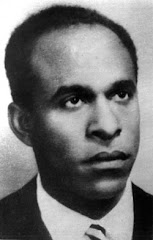
CAROLYN EDGAR
(b. 1966)
(b. 1966)
Modern racists just repeat conservative talking points: Donald Sterling, Cliven Bundy and the ugly face of GOP policies
Sterling and Bundy aren't vestiges of another time. They are the embodiment of Paul Ryan and Michele Bachmann's ideas
by CAROLYN EDGAR
APR 28, 2014
SALON
During a recent soccer match between Barcelona and Villarreal, a fan threw a banana at Barcelona player Dani Alves as he was about to take a corner kick. Instead of getting upset, Alves, who is Brazilian, calmly picked up the banana, took a bite of it and took his kick.
In much the same way that Alves treated the fan’s bigoted act as a gift, we can consider the antics this past week of Nevada rancher Cliven Bundy and Los Angeles Clippers owner Donald Sterling as gifts and opportunities to accept Supreme Court Justice Sonia Sotomayor’s invitation in her dissent in Schuette v. Bamn — to “speak openly and candidly on the subject of race.”
Bundy’s ramblings about “the Negro,” and Sterling’s insecurity about his mixed-race girlfriend posting pictures on Instagram of herself with black people, provide insight into what Sterling referred to as the “culture” of racial discrimination that persists in our society. Bundy and Sterling exemplify why all Americans need to openly and honestly discuss race, the retrenchment of laws guaranteeing equal protection and protecting civil rights, and the resurgence of white supremacy that has grown even more acute since the 2008 election of President Barack Obama.
It would be easy, as many undoubtedly will, to dismiss Bundy and Sterling as anachronisms – as throwbacks to a time when racism was accepted and Jim Crow was the law of much of the land. To some, Cliven Bundy may be just a crazy old rancher spouting nonsense. Former Bundy supporters like Sean Hannity quickly distanced themselves from his remarks, and Republican National Committee communications director Sean Spicer took pains to note that Bundy does not represent the GOP.
But Bundy’s remarks about the good ol’ days of slavery, when black families were intact and raising chickens and tending gardens, are similar to the rhetoric espoused by a “marriage pledge” signed by former GOP presidential candidate Michele Bachmann – a pledge claiming ”a child born into slavery in 1860 was more likely to be raised by his mother and father in a two-parent household than was an African-American baby born after the election of the USA’s first African-American President.”
Bundy’s comments about black men sitting idle also echoed recent comments made by Republican congressman Paul Ryan, who decried the lack of work ethic among “inner city” men. While Bundy may not be a GOP spokesman, he is pretty good at repeating conservative talking points.
For his part, Donald Sterling is not only the owner of the Clippers, he is also a real estate mogul who has faced numerous lawsuits alleging that he discriminated against blacks and Hispanics who sought to rent his apartment units. He is not simply a harmless old bigot speaking nonsense in the heat of a lovers’ quarrel with his much-younger mistress. Sterling’s well-documented racism was largely ignored by the NBA and the mainstream media for years. Now, people profess to be “outraged” by his views.
The media circus surrounding Bundy and Sterling exemplifies why the nature of our discourse about race and racism must change. Although it has traditionally been easier for the media to focus on individual racist acts instead of systemic white supremacy, it is far less useful to focus on individual racist acts, and far more important to recognize what modern racism looks like in practice, up close and personal.
Modern racism is not Bull Connor turning fire hoses and dogs on black people. Modern racism is the reinforcement of white supremacy through systemic, institutional polices, practices and laws that deny equal protection to people of color, regardless of one’s own personal views. While modern racism is often fueled by personal animus, it may thrive even in the absence of it. Modern racism seeks to protect the majority and preserve the status quo, usually without express discriminatory intent. And it exists regardless of political affiliation.
Jonathan Chait recently argued that modern-day conservatism is doomed because its sociological underpinning is white supremacy. But, as Ta-Nehisi Coates eloquently stated, “White supremacy does not contradict American democracy — it birthed it, nurtured it, and financed it. That is our heritage.” As Coates points out, without a corresponding commitment to ending white supremacy, anti-racism alone is unlikely to result in true equality for all.
A favorite refrain of those who claim that talking about race divides the nation and reinforces racial stereotypes, is that we are all one race – the human race. If that is true, then it is in our collective best interest to eradicate policies that have a consistent and deleterious impact on blacks and other minority groups. If we are all one race, then a system that denies one segment of our society the right and the ability to participate fully in its rewards should be unacceptable to all. The American Dream is meaningless if it remains inaccessible to most of America’s minority citizens.
As we approach the 60th anniversary of the landmark decision in Brown v. Board of Education, it is a good time to acknowledge that the tools that dismantled Jim Crow 60 years ago are inadequate to address systemic inequality today. We need new tools to repair a socioeconomic, political and judicial system that, despite the numerous gains made in the last 60 years, remains separate and unequal.
Although the writer Teju Cole warned that we should not “get excited over racist old coots: they are valves, taking pressure off conversations we need to have about systemic white supremacy,” the resurgence of racist old white men like Bundy and Sterling invites us to have a different, more honest conversation about race and racism. We can, and should, start talking about what we, as a society, are going to do to ensure that white supremacy ceases to be a structural impediment to equal opportunity. And it is time to challenge those who favor race-blind rhetoric to ensure that their “one race” vision becomes reality, instead of pretending racism is a problem that no longer exists.
Sterling and Bundy aren't vestiges of another time. They are the embodiment of Paul Ryan and Michele Bachmann's ideas
by CAROLYN EDGAR
APR 28, 2014
SALON
During a recent soccer match between Barcelona and Villarreal, a fan threw a banana at Barcelona player Dani Alves as he was about to take a corner kick. Instead of getting upset, Alves, who is Brazilian, calmly picked up the banana, took a bite of it and took his kick.
In much the same way that Alves treated the fan’s bigoted act as a gift, we can consider the antics this past week of Nevada rancher Cliven Bundy and Los Angeles Clippers owner Donald Sterling as gifts and opportunities to accept Supreme Court Justice Sonia Sotomayor’s invitation in her dissent in Schuette v. Bamn — to “speak openly and candidly on the subject of race.”
Bundy’s ramblings about “the Negro,” and Sterling’s insecurity about his mixed-race girlfriend posting pictures on Instagram of herself with black people, provide insight into what Sterling referred to as the “culture” of racial discrimination that persists in our society. Bundy and Sterling exemplify why all Americans need to openly and honestly discuss race, the retrenchment of laws guaranteeing equal protection and protecting civil rights, and the resurgence of white supremacy that has grown even more acute since the 2008 election of President Barack Obama.
It would be easy, as many undoubtedly will, to dismiss Bundy and Sterling as anachronisms – as throwbacks to a time when racism was accepted and Jim Crow was the law of much of the land. To some, Cliven Bundy may be just a crazy old rancher spouting nonsense. Former Bundy supporters like Sean Hannity quickly distanced themselves from his remarks, and Republican National Committee communications director Sean Spicer took pains to note that Bundy does not represent the GOP.
But Bundy’s remarks about the good ol’ days of slavery, when black families were intact and raising chickens and tending gardens, are similar to the rhetoric espoused by a “marriage pledge” signed by former GOP presidential candidate Michele Bachmann – a pledge claiming ”a child born into slavery in 1860 was more likely to be raised by his mother and father in a two-parent household than was an African-American baby born after the election of the USA’s first African-American President.”
Bundy’s comments about black men sitting idle also echoed recent comments made by Republican congressman Paul Ryan, who decried the lack of work ethic among “inner city” men. While Bundy may not be a GOP spokesman, he is pretty good at repeating conservative talking points.
For his part, Donald Sterling is not only the owner of the Clippers, he is also a real estate mogul who has faced numerous lawsuits alleging that he discriminated against blacks and Hispanics who sought to rent his apartment units. He is not simply a harmless old bigot speaking nonsense in the heat of a lovers’ quarrel with his much-younger mistress. Sterling’s well-documented racism was largely ignored by the NBA and the mainstream media for years. Now, people profess to be “outraged” by his views.
The media circus surrounding Bundy and Sterling exemplifies why the nature of our discourse about race and racism must change. Although it has traditionally been easier for the media to focus on individual racist acts instead of systemic white supremacy, it is far less useful to focus on individual racist acts, and far more important to recognize what modern racism looks like in practice, up close and personal.
Modern racism is not Bull Connor turning fire hoses and dogs on black people. Modern racism is the reinforcement of white supremacy through systemic, institutional polices, practices and laws that deny equal protection to people of color, regardless of one’s own personal views. While modern racism is often fueled by personal animus, it may thrive even in the absence of it. Modern racism seeks to protect the majority and preserve the status quo, usually without express discriminatory intent. And it exists regardless of political affiliation.
Jonathan Chait recently argued that modern-day conservatism is doomed because its sociological underpinning is white supremacy. But, as Ta-Nehisi Coates eloquently stated, “White supremacy does not contradict American democracy — it birthed it, nurtured it, and financed it. That is our heritage.” As Coates points out, without a corresponding commitment to ending white supremacy, anti-racism alone is unlikely to result in true equality for all.
A favorite refrain of those who claim that talking about race divides the nation and reinforces racial stereotypes, is that we are all one race – the human race. If that is true, then it is in our collective best interest to eradicate policies that have a consistent and deleterious impact on blacks and other minority groups. If we are all one race, then a system that denies one segment of our society the right and the ability to participate fully in its rewards should be unacceptable to all. The American Dream is meaningless if it remains inaccessible to most of America’s minority citizens.
As we approach the 60th anniversary of the landmark decision in Brown v. Board of Education, it is a good time to acknowledge that the tools that dismantled Jim Crow 60 years ago are inadequate to address systemic inequality today. We need new tools to repair a socioeconomic, political and judicial system that, despite the numerous gains made in the last 60 years, remains separate and unequal.
Although the writer Teju Cole warned that we should not “get excited over racist old coots: they are valves, taking pressure off conversations we need to have about systemic white supremacy,” the resurgence of racist old white men like Bundy and Sterling invites us to have a different, more honest conversation about race and racism. We can, and should, start talking about what we, as a society, are going to do to ensure that white supremacy ceases to be a structural impediment to equal opportunity. And it is time to challenge those who favor race-blind rhetoric to ensure that their “one race” vision becomes reality, instead of pretending racism is a problem that no longer exists.