Discourse that allows us to express a wide range of ideas, opinions, and analysis that can be used as an opportunity to critically examine and observe what our experience means to us beyond the given social/cultural contexts and norms that are provided us.
Showing posts with label Domestic and Foreign policy. Show all posts
Showing posts with label Domestic and Foreign policy. Show all posts
President Biden delivered his second campaign speech of the year Monday at the historic Mother Emanuel AME Church in Charleston, South Carolina, where a white supremacist gunman killed nine people in 2015. Biden remembered the victims, spoke of the "poison of white supremacy" and assailed his Republican rivals for not taking racism seriously, but Biden's speech was interrupted at one point by protesters demanding a ceasefire in Gaza, where Israel's U.S.-backed war has killed over 23,000 people. "There's no way we're fighting white supremacy … in the midst of genocide," says artist and activist Bree Newsome Bass, who criticizes Biden for using the Black church as a political prop. "The last thing that we need is to carry on business as usual."
In 2015, Newsome Bass climbed a 30-foot flagpole outside the South Carolina Capitol to remove the Confederate flag following the church massacre. Democracy Now! is an independent global news hour that airs on over 1,500 TV and radio stations Monday through Friday. Watch our livestream at democracynow.org Mondays to Fridays 8-9 a.m. ET.
"You come against me in the name of hatred, repression, and violence. I come against you in the name of God. This (confederate) flag comes down today..It's time for a new chapter where we are sincere about dismantling white supremacy and building toward true racial justice and equality.”
—Bree Newsome, June 27, 2015
PHOTO: Ms. Newsome scaled a flagpole to remove the Confederate battle flag from the State Capitol in Columbia, S.C., in 2015. Credit: Adam Anderson Photo/Reuters
[UPDATE: Democracy Now! has confirmed Bree Newsome and James Tyson have been released.]
Cornell William Brooks, NAACP President and CEO released this statement:
For 15 years, the NAACP has called for
the removal of the Confederate battle flag and has maintained economic
sanctions against the state of South Carolina. The NAACP,
Governor Nikki Haley, a bipartisan coalition of policymakers, an
expanding number of American businesses, and a courageous young woman
named Bree Newsome are all united in opposition to the Confederate flag.
Ms. Newsome temporarily removed the flag flying in front of South
Carolina’s state house. As well as supporting the permanent removal of
the flag legislatively, we commend the courage and moral impulse of Ms.
Newsome as she stands for justice like many NAACP
activists including Henry David Thoreau, Dr. Martin Luther King Jr. and
numerous Americans who have engaged in civil disobedience. The NAACP
calls on state prosecutors to consider the moral inspiration behind the
civil disobedience of this young practitioner of democracy. Prosecutors
should treat Ms. Newsome with the same large-hearted measure of justice
that inspired her actions. The NAACP stands
with our youth and behind the multigenerational band of activists
fighting the substance and symbols of bigotry, hatred and intolerance.”
Around 5:30am this morning Bree Newsome climbed to the top of the
flagpole flying the Confederate battle flag on the grounds of the South
Carolina state capitol, unhooked the flag, and brought it down as police
waited to arrest her.
Calls to remove the flag intensified after last week’s mass shooting
of nine African-American worshipers at the historic Emanuel AME
Church. The flag has been the source of controversy for decades in
South Carolina, but a growing number of politicians, including South
Carolina Governor Nikki Haley, are calling for its removal after photos
were published online showing the accused gunman, Dylann Roof, posing
with the flag.
Newsome and others calling themselves “concerned citizens” released a
statement explaining, “Deciding to do what the SC Legislature has thus
far neglected to do, the group took down the symbol of white supremacy
that inspired the massacre, continued to fly at full mast in defiance of
South Carolina’s grief, and flew in defiance of everyone working to
actualize a more equitable Carolinian future.”
The state Bureau of Protective Services confirmed Newsome and one
other person were arrested. They are charged with defacing a monument,
which is a violation of state law 10-11-315. The law has not been used
since it was passed in 2000 during another push to remove the flag from
the capitol. They face three years in jail and a $5,000 fine.
“At about 7:45 a.m., a maintenance worker and a state security
officer, neither of whom would give their names or comment, raised a new
banner after removing it from a plastic sheet. The two state employees
who arrived on the State House grounds to put the flag back up were
African-Americans.”
Watch all of Democracy Now!’s coverage of the Charleston church shooting and push to remove the confederate flag.
In the interview
below, Kevin Alexander Gray, a South Carolina civil rights activist and
community organizer says, “People’s tax dollars ought not go into
supporting the idea of the Confederate States of America.” As former
president of the state ACLU, he argued, “the
flag flying on the statehouse dome was compelled speech. You were
compelling people to support an ideology of white supremacy.”
ABOUT THE HOST/PRODUCER:
Amy Goodman is the host and executive producer of Democracy Now!,
a national, daily, independent, award-winning news program airing on
more than 1,100 public television and radio stations worldwide. Time Magazine named Democracy Now! its “Pick of the Podcasts,” along with NBC’s “Meet the Press.”
Why are so many politicians and much of the media afraid to call the
mass shooting an act of terrorism? We discuss the double standards in
coverage of shootings …
The church attacked in the Charleston, South Carolina, massacre that
left nine people dead is home to the oldest black congregation south of
Baltimore.
Here comes the straight up evil
agenda of the incoming neofascist administration led of course by the trolling
billionaire sociopath. And if you don't think that this incredibly wealthy,
greedy, selfish, bigoted, cruel, dishonest and ignorant gang of mercenary
demagogues and pathological liars (for verification do your own research check
of exactly who these people are and what they have actually done throughout
their careers for the ugly evidence), are not going to relentlessly try to do
every single thing that their "Fearless Leader" promised (and more)
then you are seriously deluding yourself. The very disturbing truth is that
this bunch of swaggering far rightwing bullies are going to be far worse than
they are depicted in this article (which is reprehensible enough), and the
fallout from the draconian policies they will propose and enact are going to
have a devastating impact on not only the millions who voted against this
administration and everything it stands for but will also adversely affect many
of their resentful and scapegoating supporters as well. If you don't believe me
just WATCH AND SEE...Stay tuned because the worse is yet to come...for
real...
Trump Nominees Make Clear Plans to Sweep Away Obama Policies
by MICHAEL D. SHEAR
January 19, 2017
New York Times
WASHINGTON — President-elect Donald
J. Trump’s cabinet nominees, while moderating some of their stances, have made
it clear during two weeks of hearings that they intend to work hard to sweep
away President Obama’s domestic policy by embracing a deeply conservative
approach to governing.
In dozens of hours of testimony, Mr.
Trump’s nominees told senators that they favored less regulation, a smaller
federal government, more state control over policy decisions and taxpayer
money, and greater personal responsibility by Americans across the country.
The sometimes contentious hearings
continued up until the day before the inauguration, as Mr. Trump triumphantly
arrived in Washington on Thursday to kick off three highly choreographed days
that will usher Republicans back into full political power in Washington for
the first time in more than a decade.
After arriving at Joint Base Andrews
on a military plane that will become Air Force One the next time he steps
onboard, Mr. Trump visited the Trump International Hotel before making an
appearance at the Lincoln Memorial, where thousands watched an inaugural
concert.
The Trump White House
Stories on the presidential transition and the forthcoming Trump
administration.
Donald Trump’s Inauguration Becomes a Time to Protest and Plan
JAN 20
5 Trump Voters on Going to Washington
JAN 20
Following in the Footsteps of Presidents Past
JAN 19
Concert for Trump Misses an Opportunity
JAN 19
A Trump Administration, With Obama Staff Members Filling In the
Gaps JAN 19
See More »
“All over the world they are talking
about it. All over the world,” Mr. Trump told the crowd before a fireworks
display over the National Mall. “And I love you folks, and we’re going to work
together. And we are going to make America great again.”
That work will be shaped by the new
president’s cabinet, which is coming under scrutiny as lawmakers from both
parties press the nominees about their fealty to Mr. Trump’s campaign promises
and their adherence to their own long records.
Many of the nominees sought to shave
the sharp edges off Mr. Trump’s more provocative campaign promises and their
own past decisions and statements. Some backed away completely from past
assertions, making clean breaks with Mr. Trump on climate change or the need to
build a wall at the Mexican border.
Others remained vague about their
commitment to the most divisive proposals in their policy areas, leaving a veil
of uncertainty over what they would do to lead their departments if confirmed.
Ben Carson, the housing secretary
nominee, told lawmakers that “safety net programs are important.” But he did
not disown past statements about the failure of government interventions and his
belief that poverty was “really more of a choice than anything else.”
PHOTO: Ben Carson during his
confirmation hearing to lead the department of housing and urban development
last week. Credit Al Drago/The New York Times
Scott Pruitt, the Environmental
Protection Agency nominee, told senators that he now believed that “climate
change is not a hoax.” But he also forcefully advocated a far smaller and more
restrained agency, while criticizing federal rules established by Mr. Obama’s
administration to protect air and water and tackle climate change.
Betsy DeVos, a longtime supporter of
charter schools, pledged to work for “common ground,” but did not back down on
the use of federal money for private and religious schools. Senator Jeff
Sessions of Alabama, the attorney general nominee, vowed to be “impartial and
enforce laws that I didn’t vote for,” while holding firm to a decades-long
conservative approach to immigration and civil rights.
Several Democratic lawmakers
appeared exasperated as they sought to pin the nominees down on the actions
they intended to take in office.
“Will you insist upon that equal
accountability in any K-12 school or educational program that receives federal
funding whether public, public charter or private?” Senator Tim Kaine, Democrat
of Virginia, asked Ms. DeVos.
“I support accountability,” she
said, repeating that phrase three times in response to Mr. Kaine’s efforts to
extract a more detailed answer.
But there is no doubt that Mr.
Trump’s nominees collectively will lead an effort to undermine the legacy of
Mr. Obama on the environment, health care, immigration, civil rights and
education.
In his remarks to lawmakers,
Representative Tom Price of Georgia, the nominee for secretary of health and
human services, promised to lead an effort to repeal and replace the Affordable
Care Act. Representative Ryan Zinke of Montana, the nominee to lead the
Interior Department, said he supported drilling, mining and logging on federal
lands. Mr. Sessions came to the defense of police departments, saying officers
had been “unfairly maligned and blamed” for the actions of a few in cases
involving the deaths of young black men.“There’s a great deal of reform coming
to Washington,” Sean Spicer, the president’s incoming press secretary, said
during his first on-camera briefing on Thursday. “These are amazing individuals
that have a commitment to enacting an agenda of change.”
Taken together, the congressional
testimony reflects a domestic policy agenda that is still evolving. The
president-elect recently said he wanted his nominees to “be themselves and
express their own thoughts, not mine!” On Friday, he will have an opportunity
to sketch out a broad vision during his inaugural address from the steps of the
Capitol.
During his campaign, Mr. Trump was
often contradictory in laying out a domestic policy blueprint.
On immigration, he talked about the
mass deportation of 11 million undocumented workers, then later said he was
focused on getting “bad dudes” out of the country. He also proposed, then
backed away from, a total ban on Muslim immigration to the United States.
PHOTO: Betsy DeVos arriving for her
confirmation hearing to be secretary of education on Tuesday. Credit Al
Drago/The New York Times
Mr. Trump at times called for having
guns in classrooms, but other times said he opposed that policy. He said he was
against a “first-strike” policy on the use of nuclear weapons, but also said he
could not “take anything off the table.” He said in one interview that he would
criminalize a woman’s decision to have an abortion; in another, he said the
opposite.
As his nominees faced lawmakers
during the past two weeks, many of them took a similar approach, responding to
questions about their records with less hard-edge language even as they
declined to accept Democrats’ approaches.
The hearing for Mr. Price was one
example. Mr. Price, an orthopedic surgeon from an Atlanta suburb, sought to
reassure senators that he and Mr. Trump did not want to let people “fall
through the cracks” as they overhauled the nation’s health care system.
“Nobody’s interested in pulling the
rug out from under anybody,” Mr. Price said. “We believe that it’s absolutely
imperative that individuals that have health coverage be able to keep health
coverage and move, hopefully, to greater choices and opportunities.”
But any Democrats who heard those
comments as a kind of concession in the fight to unravel Mr. Obama’s health
care law are likely to be disappointed.
Mr. Price insisted that “states know
best” in caring for Medicaid beneficiaries. He said the government should not
dictate care to patients. And he vowed that Mr. Trump and his administration
would put in place “a different construct” for providing health care to every
American.
Wilbur Ross, the billionaire
investor who will serve as commerce secretary if he is confirmed, also tried to
reassure senators on issues like trade, even as he echoed some of Mr. Trump’s
more incendiary promises of economic warfare with other nations.
Like the president-elect, Mr. Ross
lashed out at China, accusing it of being “the most protectionist country of
the very large countries — they talk more about free trade than they actually
practice.”
But he also declared that he was
“not anti-trade” and declared as unworkable Mr. Trump’s proposal of a 35
percent tax on American companies that manufacture goods overseas and try to
sell them in the United States.
Shortly after arriving in Washington
on Thursday, Mr. Trump toasted his cabinet nominees, telling a luncheon
audience at his Pennsylvania Avenue hotel that there had never been better
ones.
“We have by far the highest I.Q.,”
he said, “of any cabinet ever assembled.”
A version of this article appears in
print on January 20, 2017, on Page A1 of the New York edition with the headline:
Trump Arrives, Set to Assume Power. Order Reprints| Today's Paper
Related Coverage:
Steven Mnuchin, Treasury Nominee,
Failed to Disclose $100 Million in Assets JAN. 19, 2017
Nominee Betsy DeVos’s Knowledge of
Education Basics Is Open to Criticism
JAN. 18, 2017
Trump Budget Nominee Did Not Pay
Taxes for Employee
JAN. 18, 2017
‘Learning Curve’ as Rick Perry
Pursues a Job He Initially Misunderstood
JAN. 18, 2017
PHOTO: Scott Pruitt arriving for his
confirmation hearing to be administrator of the Environmental Protection Agency
on Wednesday. Credit Gabriella Demczuk for The New York Times
Over two weeks of hearings, Donald
J. Trump’s cabinet picks have strongly embraced a deeply conservative approach
to governing.nytimes.com
All,
If you think this speech
by the billionaire sociopath and everything it both says and connotes is in any
way whatsoever a sane or rational understanding of political, social, and
economic reality in either this country or the rest of the world in the 21st
century you are as clinically braindead and arrogantly delusional as he
is...Look out folks because here comes the catastrophe...
Kofi
Donald Trump full
inaugural address as 45th President of United States
United States
President Donald Trump spoke to the nation for the first time as
Commander-in-Chief Friday afternoon moments after taking the oath of office to
become the 45th President.
IF YOU
know that Donald Trump is ignorant, unprepared and bigoted, but are thinking of
voting for him anyway because you doubt he could do much harm — this editorial
is for you.
Your
support of the Republican presidential nominee may be motivated by dislike of
the Democratic alternative, disgust with the Washington establishment or a
desire to send a message in favor of change. You may not approve of everything
Mr. Trump has had to say about nuclear weapons, torture or mass deportations,
but you doubt he could implement anything too radical. Congress, the courts,
the Constitution — these would keep Mr. Trump in check, you think.
Well,
think again. A President Trump could, unilaterally, change this country to its
core. By remaking U.S. relations with other nations, he could fundamentally
reshape the world, too.
Of
course, in many areas Mr. Trump would not have to act unilaterally. If he won,
chances are Republicans would maintain control of Congress. GOP majorities
there would be enthusiastic participants in much of what Mr. Trump would like
to do: gutting environmental and workplace regulations, slashing taxes so that
the debt skyrockets, appointing Supreme Court justices who oppose a woman’s
right to have an abortion. In areas where Republican officeholders such as
House Speaker Paul D. Ryan (Wis.) and Senate Majority Leader Mitch McConnell
(Ky.) imagine themselves acting as a brake on Mr. Trump’s worst instincts,
skepticism is in order. If these supposed leaders are too craven to oppose Mr.
Trump as a candidate, knowing the danger he presents, why should we expect them
to stand up to the bully once he was fully empowered?
But say
they did — or imagine, also improbably, that Mr. Trump faced a Democratic
Congress. The president would appoint officers — a budget director, an attorney
general, a CIA chief — who were disposed to let him have his way. And in the
U.S. system, the scope for executive action is, as we will lay out in a series
of editorials next week, astonishingly broad. At times we have questioned
President Obama’s sweeping use of those powers even when we agreed with his
goals, such as his broad grant of amnesty to millions of undocumented immigrants.
Mr. Trump could push it much further.
The
Washington Post explores the origins of Donald Trump's transformation from a
businessman to political candidate. (McKenna Ewen, Whitney Shefte, Dalton
Bennett/The Washington Post)
Could he
tear up long-standing international agreements? Round up and expel millions of
longtime U.S. residents? Impose giant tariffs? Waterboard terrorist suspects?
Yes, yes, yes and yes — all without so much as an if-you-please to Congress.
Could he bar the media from covering him? To a large extent, yes. Could he use
the government to help his businesses and, as he has threatened, injure those
he perceives as enemies? Yes, he could.
Given Mr.
Trump’s ever-evolving positions, and the apparent absence of fundamental
beliefs other than in his own brilliance, it would be foolish to make flat
predictions of how he would behave. Nor do we underestimate the resilience of
the U.S. system or the devotion that U.S. government workers bring to the rule
of law.
But it
would be reckless not to consider the damage Mr. Trump might wreak. Some of
that damage would ensue more from who he is than what he does. His racism and
disparagement of women could empower extremists who are now on the margins of
American politics, while his lies and conspiracy theories could legitimize
discourse that until now has been relegated to the fringe. But his scope for
action should not be underestimated, either. In our upcoming editorials, we
will examine some arenas where Mr. Trump has been relatively clear about his intentions
— and where presidential powers are mighty. We hope you will read them before
you vote.
The
damage Mr. Trump could do:
A
President Trump could deport freely
A
President Trump could end the era of American global leadership
A
President Trump could wreck progress on global warming
A
President Trump could destroy the world economy
How much
damage could a President Trump do? We can only begin to imagine.
PHOTO:
Donald Trump at a rally in Council Bluffs, Iowa, on Wednesday. (John
Locher/Associated Press)
IF YOU know that Donald Trump is ignorant, unprepared and bigoted, but are thinking of voting for him anyway because you doubt he could do much harm — this editorial is for you.
Your support of the Republican presidential nominee may be motivated by dislike of the Democratic alternative, disgust with the Washington establishment or a desire to send a message in favor of change. You may not approve of everything Mr. Trump has had to say about nuclear weapons, torture or mass deportations, but you doubt he could implement anything too radical. Congress, the courts, the Constitution — these would keep Mr. Trump in check, you think.
Well, think again. A President Trump could, unilaterally, change this country to its core. By remaking U.S. relations with other nations, he could fundamentally reshape the world, too.
Of course, in many areas Mr. Trump would not have to act unilaterally. If he won, chances are Republicans would maintain control of Congress. GOP majorities there would be enthusiastic participants in much of what Mr. Trump would like to do: gutting environmental and workplace regulations, slashing taxes so that the debt skyrockets, appointing Supreme Court justices who oppose a woman’s right to have an abortion. In areas where Republican officeholders such as House Speaker Paul D. Ryan (Wis.) and Senate Majority Leader Mitch McConnell (Ky.) imagine themselves acting as a brake on Mr. Trump’s worst instincts, skepticism is in order. If these supposed leaders are too craven to oppose Mr. Trump as a candidate, knowing the danger he presents, why should we expect them to stand up to the bully once he was fully empowered?
But say they did — or imagine, also improbably, that Mr. Trump faced a Democratic Congress. The president would appoint officers — a budget director, an attorney general, a CIA chief — who were disposed to let him have his way. And in the U.S. system, the scope for executive action is, as we will lay out in a series of editorials next week, astonishingly broad. At times we have questioned President Obama’s sweeping use of those powers even when we agreed with his goals, such as his broad grant of amnesty to millions of undocumented immigrants. Mr. Trump could push it much further.
The Washington Post explores the origins of Donald Trump's transformation from a businessman to political candidate. (McKenna Ewen, Whitney Shefte, Dalton Bennett/The Washington Post)
Could he tear up long-standing international agreements? Round up and expel millions of longtime U.S. residents? Impose giant tariffs? Waterboard terrorist suspects? Yes, yes, yes and yes — all without so much as an if-you-please to Congress. Could he bar the media from covering him? To a large extent, yes. Could he use the government to help his businesses and, as he has threatened, injure those he perceives as enemies? Yes, he could.
Given Mr. Trump’s ever-evolving positions, and the apparent absence of fundamental beliefs other than in his own brilliance, it would be foolish to make flat predictions of how he would behave. Nor do we underestimate the resilience of the U.S. system or the devotion that U.S. government workers bring to the rule of law.
But it would be reckless not to consider the damage Mr. Trump might wreak. Some of that damage would ensue more from who he is than what he does. His racism and disparagement of women could empower extremists who are now on the margins of American politics, while his lies and conspiracy theories could legitimize discourse that until now has been relegated to the fringe. But his scope for action should not be underestimated, either. In our upcoming editorials, we will examine some arenas where Mr. Trump has been relatively clear about his intentions — and where presidential powers are mighty. We hope you will read them before you vote.
The damage Mr. Trump could do:
A President Trump could deport freely
A President Trump could end the era of American global leadership
A President Trump could wreck progress on global warming
A President Trump could destroy the world economy
How much damage could a President Trump do? We can only begin to imagine.
PHOTO: Donald Trump at a rally in Council Bluffs, Iowa, on Wednesday. (John Locher/Associated Press)
"I'm for truth, no matter who tells it. I'm for justice, no matter who it's for or against."
W.E.B. DuBois (1868-1963)
"There is but one coward on earth, and that is the coward that dare not know."
Dr. Martin Luther King, Jr. (1929-1968)
"Change does not roll in on the wheels of inevitability, but comes through continuous struggle. And so we must straighten our backs and work for our freedom. A man can't ride you unless your back is bent. "
James Baldwin (1924-1987)
"Precisely at the point when you begin to develop a conscience you must find yourself at war with your society."
Aimé Césaire (1913-2008)
"A civilization that proves incapable of solving the problems it creates is a decadent civilization. A civilization that chooses to close its eyes to its most crucial problems is a stricken civilization. A civilization that uses its principles for trickery and deceit is a dying civilization."
Nina Simone (1933-2003)
"There's no other purpose, so far as I'm concerned, for us except to reflect the times, the situations around us and the things we're able to say through our art, the things that millions of people can't say. I think that's the function of an artist and, of course, those of us who are lucky leave a legacy so that when we're dead, we also live on. That's people like Billie Holiday and I hope that I will be that lucky, but meanwhile, the function, so far as I'm concerned, is to reflect the times, whatever that might be."
Amilcar Cabral (1924-1973)
"Always bear in mind that the people are not fighting for ideas, for the things in anyone's head. They are fighting to live better and in peace, to see their lives go forward, to guarantee the future of their children ....Hide nothing from the masses of our people. Tell no lies. Expose lies whenever they are told. Mask no difficulties, mistakes, failures. Claim no easy victories..." .
Angela Davis (b. 1944)
"The idea of freedom is inspiring. But what does it mean? If you are free in a political sense but have no food, what's that? The freedom to starve?”
Duke Ellington (1899-1974)
“Jazz is the freest musical expression we have yet seen. To me, then, jazz means simply freedom of musical speech! And it is precisely because of this freedom that so many varied forms of jazz exist. The important thing to remember, however, is that not one of these forms represents jazz by itself. Jazz simply means the freedom to have many forms.”
Amiri Baraka (1934-2014)
"Thought is more important than art. To revere art and have no understanding of the process that forces it into existence, is finally not even to understand what art is."
Frederick Douglass (1817-1895)
"Power concedes nothing without a demand. It never did and it never will. Find out just what any people will quietly submit to and you have found out the exact measure of injustice and wrong which will be imposed upon them, and these will continue till they are resisted with either words or blows, or both. The limits of tyrants are prescribed by the endurance of those whom they oppress.” --August 3, 1857
Cecil Taylor (1929-2018)
“Musical categories don’t mean anything unless we talk about the actual specific acts that people go through to make music, how one speaks, dances, dresses, moves, thinks, makes love...all these things. We begin with a sound and then say, what is the function of that sound, what is determining the procedures of that sound? Then we can talk about how it motivates or regenerates itself, and that’s where we have tradition.”
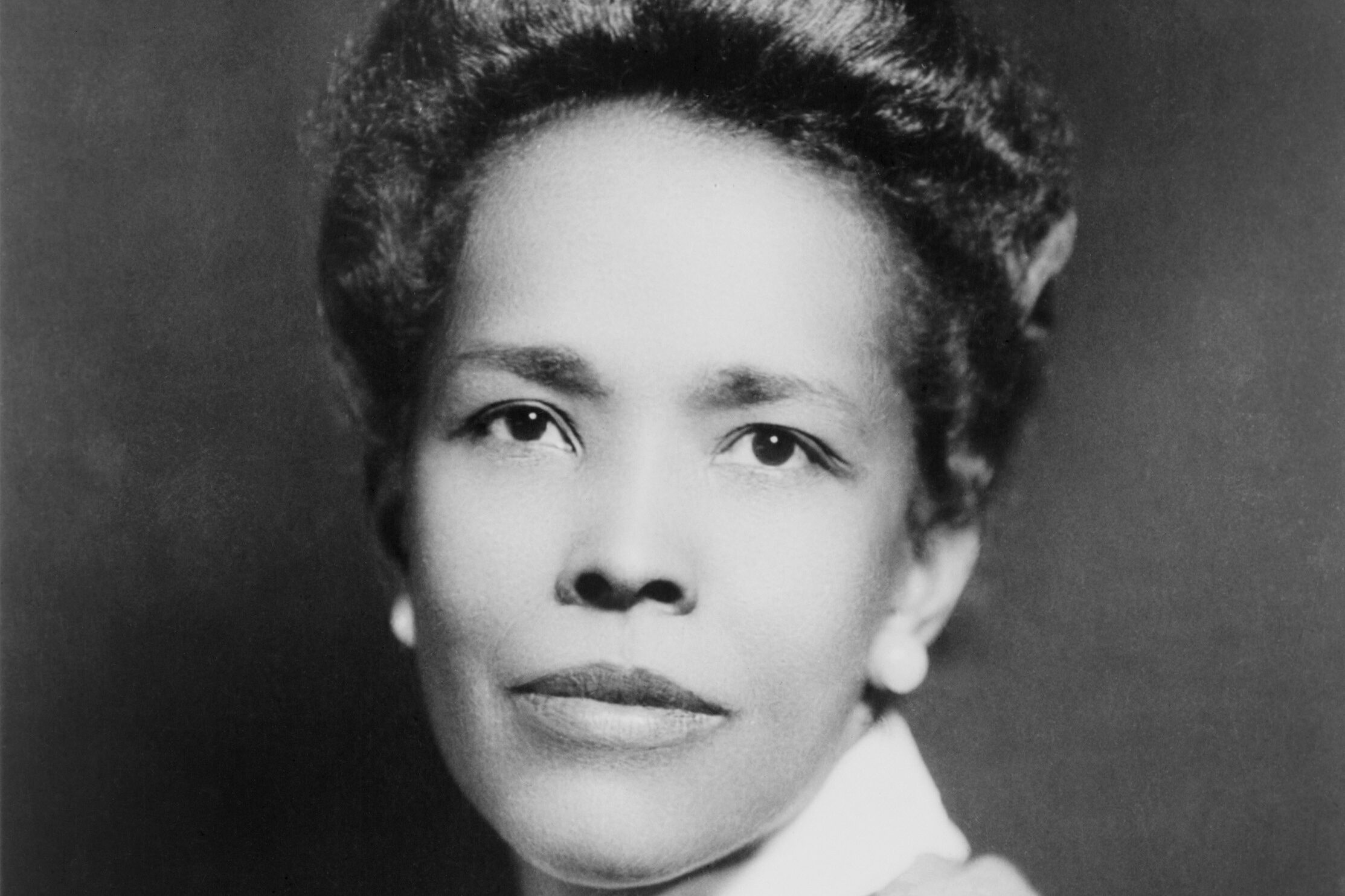
Ella Baker (1903-1986)
"Strong people don't need strong leaders"
Paul Robeson (1898-1976)
"The artist must take sides. He must elect to fight for freedom or for slavery. I have made my choice. I had no alternative."
John Coltrane (1926-1967)
"I want to be a force for real good. In other words, I know there are bad forces. I know that there are forces out here that bring suffering to others and misery to the world, but I want to be the opposite force. I want to be the force which is truly for good."
Miles Davis (1926-1991)
"Jazz is the big brother of Revolution. Revolution follows it around."
C.L.R. James (1901-1989)
"All development takes place by means of self-movement, not organization by external forces. It is within the organism itself (i.e. within the society) that there must be realized new motives, new possibilities."
Frantz Fanon (1925-1961)
"Now, political education means opening minds, awakening them, and allowing the birth of their intelligence as [Aime] Cesaire said, it is 'to invent souls.' To educate the masses politically does not mean, cannot mean, making a political speech. What it means is to try, relentlessly and passionately, to teach the masses that everything depends on them."
Edward Said (1935-2003)
“I take criticism so seriously as to believe that, even in the midst of a battle in which one is unmistakably on one side against another, there should be criticism, because there must be critical consciousness if there are to be issues, problems, values, even lives to be fought for."
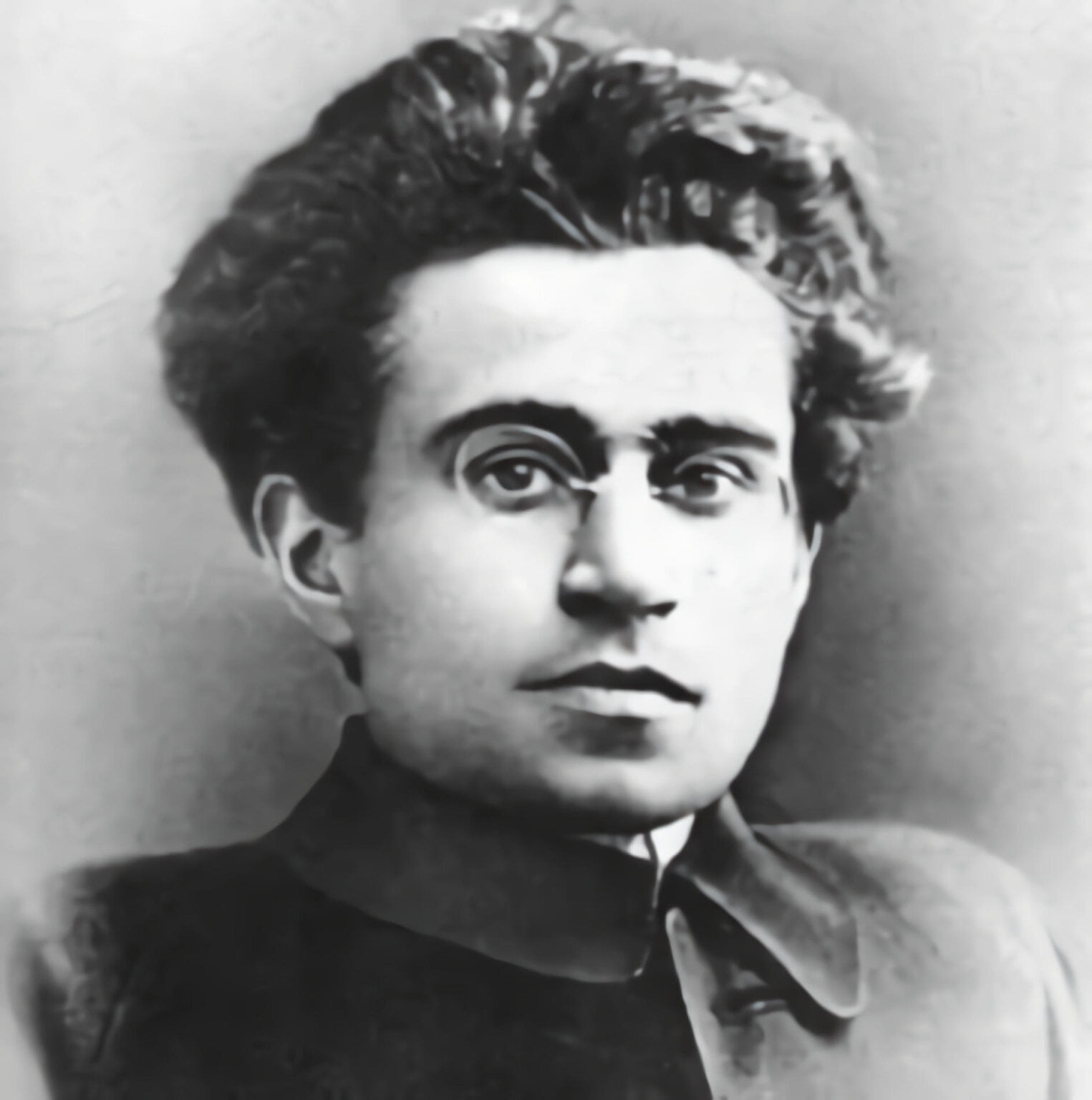
Antonio Gramsci (1891-1937)
“The challenge of modernity is to live without illusions and without becoming disillusioned. There must be pessimism of the intellect and optimism of the will.”
Susan Sontag (1933-2004)
"Do stuff. Be clenched, curious. Not waiting for inspiration’s shove or society’s kiss on your forehead. Pay attention. It’s all about paying attention. Attention is vitality. It connects you with others. It makes you eager. Stay eager."
Kofi Natambu, editor of The Panopticon Review, is a writer, poet, cultural critic, and political journalist whose poetry, essays, criticism, reviews, and journalism have appeared in many literary magazines, journals, newspapers, and anthologies. He is the author of a biography MALCOLM X: His Life & Work (Alpha Books) and two books of poetry: THE MELODY NEVER STOPS (Past Tents Press) and INTERVALS (Post Aesthetic Press). He was the founder and editor of SOLID GROUND: A NEW WORLD JOURNAL, a national quarterly magazine of the arts, culture, and politics and the editor of a literary anthology NOSTALGIA FOR THE PRESENT (Post Aesthetic Press). Natambu has read his work throughout the country and given many lectures and workshops at academic and arts institutions. He has taught American literature, literary theory and criticism, cultural history and criticism, film studies, political science, creative writing, philosophy, critical theory, and music history and criticism (Jazz, Blues, R&B, Hip Hop) at many universities and colleges. He was also a curator in the Education Department of Detroit’s Museum of African American History. Born in Detroit, Michigan, Natambu currently lives in Berkeley, California with his wife Chuleenan.