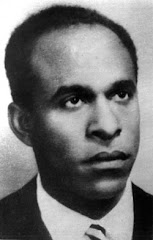
Discourse that allows us to express a wide range of ideas, opinions, and analysis that can be used as an opportunity to critically examine and observe what our experience means to us beyond the given social/cultural contexts and norms that are provided us.
Wajahat Ali and Danielle Moodie are two of my absolute favorites in the ever important and increasingly challenging domain of public discourse and what used to be called “genuine civic engagement” and “civil disobedience” throughout not only the United S/Hates but the WORLD.
Meanwhile W & D…Please keep telling the whole truth and nothing but with the sheer clarity, courage, dynamism, creatively and relentlessly profound intelligence, wickedly focused humor, scatological intensity, and yes, upfront unapologetic LOVE that this world-historical moment DEMANDS…
Which is to say: THANK YOU for constantly going up against the monstrous spectre of fascism currently menacing the world in general and the U.S.A. in particular.
Dare to Struggle, Dare to Win!
Love & Struggle Always,
Kofi
Progressives Win Michigan! The Democratic Party Just Got a Wake-Up Call
Progressives are celebrating after a major Michigan primary victory. Wajahat Ali and Danielle Moodie break down what the results mean for the Democratic Party, grassroots organizing, AIPAC spending, and the future of progressive politics. In this episode: Michigan election results Abdul El-Sayed victory Progressive Democrats Democratic Party strategy AIPAC and money in politics 2026 elections Political commentary A fun and unfiltered conversation about a political moment that could reshape the future of the Democratic Party.
President Trump signed two executive orders on Thursday aimed at limiting the number of people who are eligible for birthright citizenship and cracking down on “birth tourism,” in which women give birth in the United States to get automatic citizenship for their newborns.
The new orders came weeks after the U.S. Supreme Court, in a 6-3 ruling, rejected the president’s previous efforts to end birthright citizenship for undocumented immigrants through executive orders.
During an Oval Office event, Mr. Trump told reporters that the June 30 Supreme Court ruling was a “very, very unfortunate decision.”
“This was done right after the Civil War,” Mr. Trump said of the constitutional amendment granting automatic citizenship to infants born in the United States. “This was for the babies of slaves, and what’s happening now? People are building businesses around it.”
Video
VIDEO
0:15
Credit: Reuters
It was not immediately clear how the twin orders could realistically be enforced. They would restrict those who could qualify for birthright citizenship, to exclude children of staff working for foreign governments but serving in the United States, and the babies of mothers who lie about their intentions for visiting the country while pregnant. There is a third category, for babies born in U.S. territories, but that would first require congressional action.
And then there are children whose parents are tagged by the government as being part of known terrorist groups or who are “alien enemies.”
Mr. Trump has criticized birthright citizenship for years, using it as a political tool as he has repeatedly tried to restrict legal immigration. He has talked about trying to end it since his first presidency. And in an unusual move, he attended oral arguments in the birthright citizenship case at the Supreme Court, a presidential first.
Stephen Miller, Mr. Trump’s top domestic policy adviser and the architect of much of his immigration platform, and Will Scharf, the White House staff secretary, described the orders as important correctives to the current system.
“As the president mentioned, the 14th Amendment was passed exclusively in the aftermath of the Civil War, so to ensure that the children of slaves would be citizens,” Mr. Miller said. “It had no other meaning and purpose outside of that, and that’s been clear, obviously, since the day that it was passed.”
Mr. Scharf described “birth tourism” as “something that used to happen incidentally, where somebody who happened to be on vacation here went to labor early and had a baby,” a relatively narrow subset that has grown into “organized rings, at times criminal rings, setting up a system whereby” tens of thousands of people come to the country solely for that purpose.
Video
VIDEO
0:28
Credit: Associated Press
Mr. Scharf said among the actions being considered would be denying visas to visitors they suspect are coming to the country solely for delivering a child in the United States.
“There’s absolutely nothing in here that runs afoul of any of the Supreme Court’s opinions on the subject,” Mr. Scharf said.
A Department of Homeland Security official, who was granted anonymity because they weren’t authorized to speak about the executive orders, threw cold water on the birth tourism order. There is nothing new in it from an enforcement perspective, the official said, because it simply restates existing law.
Mr. Miller said that Section 215A of the Immigration and Nationality Act gives the president the authority to engage in these new restrictions, when asked how the administration will determine the difference between “tourism” and “birth tourism.”
When a reporter noted that the president’s own solicitor general had been unable to tell the Supreme Court precisely how many people were benefiting from birthright citizenship, Mr. Trump replied, “I’ll tell you right now, hundreds of thousands, OK? Hundreds of thousands.”
(Pennsylvania State University scholars released a study about the time of the Supreme Court ruling that found that fewer than 0.3 percent of all births in the United States were to tourists, in any year.)
But Mr. Trump pressed on, “You have one man came in with a family head said he had 56 children. Another one came in. They said they had 98 children. This was not what it was for. This was meant for the babies of slaves. It was, it was right after one week or two weeks after the Civil War ended.” In fact, birthright citizenship was ratified as part of the 14th Amendment more than three years after the war ended.
Any renewed effort to prevent new classes of people from having babies in the United States who are automatically citizens would invite fresh rounds of litigation. There would likely be challenges, for instance, to who counts as “alien enemies” and invading armies — categories that lower court judges have already rejected in separate cases involving the Trump administration’s aggressive immigration policies.
Federal immigration law gives the government broad power over entry into the United States, but the law also forbids discrimination in the issuing of immigrant visas. Limits on the entry of certain pregnant women from other countries, as the president’s order envisions, could also give rise to claims of discrimination.
In their final opinion of the Supreme Court’s term, the justices rejected Mr. Trump’s attempt to prevent babies born on U.S. soil to undocumented immigrants and temporary foreign residents from being given citizenship automatically.
The decision was a major blow to Mr. Trump’s longstanding effort to limit the guarantee of birthright citizenship and the president wrongly suggested after the ruling that he could get around the court’s decision through legislation.
Five justices — a majority — found that birthright citizenship was guaranteed in the Constitution, meaning the president would likely need an amendment to change the long-held principle that nearly all children born in the United States are American citizens.
A sixth justice, Brett M. Kavanaugh, said he would have struck down the president’s order based on federal law, not the Constitution.
Soon after the court announced its decision on June 30, Mr. Trump said he would ask the justices to reconsider their decision, a long-shot request since the Supreme Court has not agreed to revisit an argued case in decades.
The deadline for such a filing passed last week without the president asking for a rehearing.
In response to the president’s orders on Thursday, Cody Wofsy, deputy director of the ACLU’s Immigrants’ Rights Project, said in a statement, “The Supreme Court already decided this issue: Birthright citizenship is guaranteed by the Constitution. No additional executive order can change the meaning of the Constitution. Any executive order that tries to rewrite birthright citizenship will meet the same fate as the last one.”
Hamed Aleaziz contributed reporting.
ABOUT THE AUTHORS:
Maggie Haberman is a White House correspondent for The Times, reporting on President Trump.
Ann E. Marimow covers the Supreme Court for The Times from Washington.
A version of this article appears in print on Aug. 7, 2026, Section A, Page 13 of the New York edition with the headline: President Signs Two Executive Orders Aiming to Limit Birthright Citizenship.Today’s Paper
Voter-Registration Error: New Jersey improperly added as many as 6,600 noncitizens to its voter rolls. The breach could undercut future hopes for a green card or citizenship, according to lawyers familiar with the complexities of U.S. immigration law.
Access to Inmates: Federal officials recently started threatening to seek criminal charges against two elected county sheriffs who have declined to give immigration agents broad access to inmates subject to deportation.
Deportees Sent to Venezuela: The United States sent a flight with 147 deportees to Venezuela for the first time since devastating earthquakes struck the South American nation in late June.
Case Against Minnesota Protesters: The problems plaguing the Justice Department’s case against anti-ICE protesters have not only hurt the government’s chances, lawyers say, but have also undermined the bonds of trust that prosecutors have traditionally enjoyed in court.
Hasan sits down with writer and journalist, Ta-Nehisi Coates, to talk about his latest Vanity Fair article, the difference between intelligence and wisdom, and the inherent violence of Empire.
Hasan Minhaj Doesn’t Know is a long-form interview podcast hosted by two-time Peabody Award-winning comedian Hasan Minhaj. The show features in-depth conversations with politicians, public figures, financial experts, scientists, intellectuals, authors and celebrities.
Rather than sticking to standard talking points, Minhaj aims to ask deeper, more probing questions that reveal personal perspectives and challenge conventional narratives. The tone is direct and curious, and focused on uncovering what guests really think beyond rehearsed answers.
Ta-Nehisi Coates is the author of The Beautiful Struggle, We Were Eight Years in Power, The Water Dancer, The Message, and Between the World and Me, which won the National Book Award in 2015. He is the recipient of a National Magazine Award and a MacArthur Fellowship. He is currently the Sterling Brown Endowed Chair in the English Department at Howard University and a contributing editor at Variety Fair.. See more from V.F.’s THE GREAT FIRE project here, which Coates guest-edited for the September 2020 issue.
In this Weekly Wrap Up, Eddie tentatively welcomes reports of a Hamas disarmament agreement but warns of a rapidly escalating quagmire in Iran that has cost 18 American lives and driven domestic grocery prices to a 50-year high. Shifting his focus homeward, Eddie condemns the administration’s sweeping delegalization of 1.8 million immigrants and the cruel, racially motivated ICE crackdowns expanding across airports and the Dilley Detention Center. To combat these systemic assaults and ongoing voting rights rollbacks, he echoes Rev. William Barber’s call for 1,000 grassroots marches over the next 100 days leading up to the midterms, urging his listeners to mobilize and fight for the nation’s democratic soul.
Thank you for your never ending dedication. We must remember the story of the sunflowers. They turn to face the sun every morning seeking light and hope. At night they turn to face each other for support. We must continue the fight even in hard times and never give up!!
As always, I thank you from the bottom of my heart for always remembering our brothers and sisters in Gaza, Lebanon, Iran surrounding areas. Do you know that you’re the only person on Substack or anywhere else who doesn’t shy away from this issue or who reminds us that hey there has been no resolution. So you are very much appreciated. Regarding believing anything that Trump has to say I’ll be honest I have no faith or confidence in his words nor the words of Netanyahu. They lie as easily as a breathe, and that’s really sad. I hope that something improves. I hope that there are protective measures in place to ensure that any movement towards peace or safety for the Palestinian people. I hope that somebody places something there to ensure that things move forward in a positive manner. Right now without any reassurance that there will be international support I’m very skeptical.
MEANWHILE...THIS IS WHAT IT REALLY MEANS TO FIGHT BACK AND MOVE ASSERTIVELY IN THE CLEAR AND POWERFUL DIRECTION OF OUR COLLECTIVE LIBERATION FROM THE SO-CALLED "POWERS THAT BE" AND TOWARD THE FREEDOM, JUSTICE, EQUALITY, AND SELF DETERMINATION THAT WE REALLY CRAVE AND DESERVE FOR NOT ONLY OURSELVES BUT EVERYONE...
How Abdul El-Sayed Beat AIPAC's Spending in Michigan
Dr. Debra Shushan joins Wajahat Ali to discuss Abdul El-Sayed's Michigan Senate primary victory, the role of outside spending, AIPAC's involvement in the race, and what the result could mean for the future of the Democratic Party. The Michigan primary became a major debate over money in politics, grassroots organizing, progressive candidates, and the influence of outside groups. AIPAC-affiliated organizations spent heavily supporting Haley Stevens, making the race one of the most expensive Democratic primaries in recent history. Topics include: Abdul El-Sayed Michigan victory AIPAC Democratic Party Progressive movement Money in politics Election strategy 2026 midterms U.S. politics
Dr. Abdul El-Sayed Wins Michigan Senate Primary in Major Defeat for AIPAC, Establishment Democrats
Progressive candidate Abdul El-Sayed has been declared the winner of Michigan’s closely watched Democratic Senate primary, narrowly beating out Congressmember Haley Stevens, according to the Associated Press and other news agencies. AIPAC and its affiliated groups spent as much as $60 million to help Stevens in what has become the most expensive Democratic Senate primary contest in U.S. history. El-Sayed will face former Republican Congressman Mike Rogers in November to fill the seat now held by Democratic Senator Gary Peters, who is retiring. If El-Sayed wins the general election, he would become the first Muslim senator in U.S. history. His key supporters included Senator Bernie Sanders, Congresswoman Alexandria Ocasio-Cortez and the United Auto Workers.
Democracy Now! is an independent global news hour that airs on over 1,500 TV and radio stations Monday through Friday. Watch our livestream at democracynow.org Mondays to Fridays 8-9 a.m. ET.
Dr. Abdul El-Sayed, a progressive and a vocal critic of Israel, edged Representative Haley Stevens, a moderate, early Wednesday to win the Michigan Senate Democratic primary, according to The Associated Press.
It was a high-profile victory for the ascendant political left, though the rancorous race was ultimately far closer than polls had suggested, with Dr. El-Sayed leading by less than a percentage point Wednesday morning. He will face former Representative Mike Rogers, a Republican, in a general election clash that could determine control of the Senate.
On Wednesday morning, Dr. El-Sayed and Democrats from across the ideological spectrum raced to project party unity after a bitter and expensive primary campaign.
Speaking at a rally in Detroit, Dr. El-Sayed hailed Ms. Stevens as “one of the most committed public servants that you’ll ever meet.” He also extended a hand to the broader electorate, urging voters regardless of party to support him if “you believe, like me, that you ought to be able to afford your groceries.”
Dr. El-Sayed, the Michigan-born son of Egyptian immigrants, also issued a warning to Republicans who may seek to weaponize his name or otherwise engage in Islamophobic signaling.
“My name is not raising your gas prices,” he said. “My name is not taking us to war. My name is not the reason you can’t afford your groceries.”
Ms. Stevens called Dr. El-Sayed on Wednesday morning to concede the race, a spokesman for her campaign said. On social media, Ms. Stevens wrote that she had offered him “my full support as we work to defeat Mike Rogers.”
Throughout the primary, the question of which candidate was best positioned to win in November was a central feature of the race.
Dr. El-Sayed and his allies argued that his populist rhetoric would energize voters across the political spectrum who were unhappy with the status quo. He plainly tapped into simmering Democratic fury with the party establishment, and with President Trump.
But many Democratic leaders had rallied around Ms. Stevens, a centrist, fearful that the left-wing views espoused by Dr. El-Sayed, a former public health official and a proponent of universal health care, could imperil the party’s chances of defending a crucial seat in a closely divided political battleground.
The Michigan Senate primary now is the most significant triumph for the political left this year. The general election there could pose the movement’s biggest test yet, measuring whether left-wing candidates can galvanize enough voters to beat Republicans in swing territory.
The Senate primary was also defined by fierce debates over Israel. Dr. El-Sayed overcame $60 million in outside money supporting Ms. Stevens, including about $32 million from the American Israel Public Affairs Committee, a major pro-Israel group whose involvement became a source of frequent conflict in the contest.
In his speech Wednesday, Dr. El-Sayed continued to attack AIPAC, but promised Jewish voters that his commitment to “Jewish safety is the same commitment that I have to the safety of my own daughters.”
Here’s what else we’re covering:
Where Michigan moved left: Representative Shri Thanedar, a second-term Democrat, lost to a democratic socialist challenger, State Representative Donavan McKinney, becoming the latest Democratic incumbent to lose amid a surge of anti-incumbent fervor this cycle. Progressives also won a Michigan Democratic primary in a district that included Lansing, where William Lawrence, an organizer, beat two centrist Democrats in a House race that is expected to be competitive this fall.
Where the left hit its limit: In Missouri, Representative Wesley Bell fended off a primary challenge from former Representative Cori Bush, a democratic socialist.
Mayor Zohran Mamdani of New York said comments from Speaker Mike Johnson that Democrats were expressing “disdain for America” and embracing “the failed, dangerous, deadly path of communism” as a response to Dr. Abdul El-Sayed’s victory in Michigan showed “how deeply out of touch the Republican Party is with the concerns of working-class Americans.” El-Sayed won, Mamdani said, because he campaigned on taking money out of politics, boosting the working class and better health care for all.
Asked at a news conference about Dr. Abdul El-Sayed’s being called the “Mamdani of Michigan,” Mayor Zohran Mamdani of New York said El-Sayed “can lift a lot more than I can.” He said El-Sayed had focused needed attention on public health and health care.
At a voter meet-and-greet in Platteville, Wis., Francesca Hong, a democratic socialist who is running for the Democratic nomination for governor of Wisconsin, said that Dr. Abdul El-Sayed’s victory in Michigan offered lessons for her own campaign.
“This was an example of how we are in a moment where it’s about the many and not just the money,” she said, adding: “What we can learn, too, is no complacency. We want to be ready on day one. We want to make sure that folks know what’s at stake.”
Much of the conventional wisdom had been that the $32 million in American Israel Public Affairs Committee spending for Haley Stevens came at a political cost for her in Michigan. Perhaps it did. But given how close the race between Dr. Abdul El-Sayed and Stevens ended up being, a few people have brought up to me this afternoon the possibility that AIPAC might have been smart to actually spend even a little more, so as to push her over the top.
Dr. Abdul El-Sayed’s speech Wednesday morning after he was declared the winner of Michigan’s Democratic Senate primary was more geared toward party unity and reaching out to supporters of his opponent, Haley Stevens, than the one he delivered at his campaign party late Tuesday night. He ended his remarks on Wednesday on lofty terms, saying the race is about “who we are as a country” and saying, “My story in America is about as unlikely as it gets.”
In his speech, El-Sayed sought to reach out to Jewish voters after a campaign in which he regularly attacked the American Israel Public Affairs Committee, and in which Haley Stevens said he wanted to blame his “problems on Jewish Americans.” He continued to attack AIPAC in the speech, but said “to all of my sisters and brothers of the Jewish faith, or any faith at all, or no faith at all, I want you to know that my commitment to your safety — to Jewish safety — is the same commitment that I have to the safety of my own daughters.”
El-Sayed, turning to the general election, said Republicans intend to “drag us into the mud” with attacks on his identity. But he said whether Michigan residents supported Kamala Harris or Donald Trump in 2024, they should support him if “you believe like me that you ought to be able to afford your groceries.”
Dr. El-Sayed’s win against a centrist congresswoman funded by pro-Israel groups and backed by the party establishment was especially sweet in Eastern Michigan, where Arab and Muslim Americans have long lived.
Dr. El-Sayed, a Michigan-born son of Egyptian immigrants, could become the nation’s first Muslim senator if he wins the general election in November against a former Republican House member, Mike Rogers.
“Growing up as a Muslim American, you’re often told to conceal that part of your identity if you want to get ahead,” Bilal Baydoun, 36, a writer and political strategist from Dearborn, Mich., said Tuesday night at Dr. El-Sayed’s election party in Detroit. “To see him bear his name with his full chest — even saying his full name at times — it still feels revolutionary in a way.”
Dr. El-Sayed’s primary opponent, Representative Haley Stevens, received tens of millions of dollars from the super PAC-arm of the American Israel Public Affairs Committee, the country’s most influential pro-Israel group. Israel, which Dr. El-Sayed has criticized for its actions in Gaza and elsewhere, was a fault line in the primary race, as it was in 2024, when Muslims criticized Kamala Harris.
“The Palestinian narrative is being heard, and the American people are awakening to what is happening,” said Tarek Khalil, 41, a Palestinian activist and lawyer from Chicago.
Nishi Rahman, 26, a health care consultant who lives in New York City, said he started following Dr. El-Sayed’s career during his 2018 run for governor of Michigan.
“I didn’t think there was a place for me in politics as a Muslim kid growing up,” said Mr. Rahman, recalling anti-Muslim sentiment in the United States after the Sept. 11, 2001, terrorist attacks.
“What this shows is that we as Muslims have a place here,” he said. “We can be full citizens of this country. We can be leaders here. And we’re just as American as anybody else.”
Farah Chalisa, a human rights lawyer from Chicago whose parents emigrated from Pakistan, said much of her life had been defined by anti-Muslim sentiment. She was in second grade on Sept. 11.
“It means so much to me as a Muslim American to see a Muslim man potentially become a senator,” said Ms. Chalisa, 32, adding, “It makes me feel like I belong.”
The general election race could be crucial for Democrats’ chances of winning control of the Senate, and the National Republican Senatorial Committee on Wednesday quickly posted a digital ad labeling Dr. El-Sayed “the most radical Senate candidate in America.” The ad uses Dr. El-Sayed’s full name, Abdulrahman Mohamed El-Sayed.
Already, anti-Muslim rhetoric has been used by candidates in Texas, Tennessee and Alabama.
“There’s this fear with him being brown and with him being Muslim,” Farah Berent, a physician assistant from Holland, MI., said about Dr. El-Sayed, before referencing a quote the candidate has used on the campaign trail. “We all pray for the same things.”
For now, Muslim Americans were in a celebratory mood.
“It’s beyond just representation,” said Aber Kawas, the democratic socialist from New York who won her state senate primary this year, then crossed state lines to support Dr. Abdul El-Sayed. “It’s about experience and connecting the experience of his neighbors in Michigan, whether they are Muslim or not Muslim, who are struggling to afford their lives.”
Mr. Baydoun said he felt anxious about the potential vitriol in response to Dr. El-Sayed’s primary victory.
“It’s going to be bittersweet because I know that even if he wins, tomorrow and the day after is going to be a contest of who can demonize Muslims more,” Mr. Baydoun said. “I’m worried about what that means for my family and my community.”
El-Sayed said at his rally that he had a “great conversation” with Haley Stevens this morning. He acknowledged that they had a bitter campaign, but hailed her as “one of the most committed public servants” and said there was far more that unifies them than divides them.
In a Truth Social post, President Trump called El-Sayed’s win “great news for the Republican party.”
“As usual, the Polls were way off on this one,” Trump wrote. Referring to Haley Stevens, he wrote: “She was not expected to do nearly as well as she did. Now, the Dumocrats crazy policies will only get worse!”
Dr. Abdul El-Sayed is holding a small rally in downtown Detroit. Mallory McMorrow, a Democratic state lawmaker who ran for Senate but suspended her campaign last month, has joined him at the event. She endorsed El-Sayed early this morning.
Senator Elissa Slotkin, a Michigan Democrat who had been neutral in the primary, congratulated Abdul El-Sayed on Wednesday morning.
“It’s been a long primary, but now it’s time to gear up to beat Mike Rogers (again) and win up and down the ticket,” Slotkin wrote on social media. “There is nothing more important than the mission of the next 90 days: uniting, keeping this seat blue, flipping the House and Senate, and providing a real check on President Trump.”
Dr. Abdul El-Sayed’s close primary victory signaled that he has work to do to unite Democrats and turn out swing voters in November. Credit...Nick Hagen for The New York Times
Dr. Abdul El-Sayed, a progressive former public health official, won a razor-thin victory in the Democratic primary for Senate in Michigan that serves as the most significant triumph for his party’s left wing this year.
Dr. El-Sayed prevailed in a highly contentious contest against Representative Haley Stevens, who argued to the end that he was unlikely to win a general election in a battleground state.
Now Dr. El-Sayed will test the longstanding progressive hope that left-wing candidates can energize enough voters to beat Republicans in swing terrain. He will face former Representative Mike Rogers, a Republican who narrowly lost the state’s 2024 Senate race and ran unopposed in this year’s primary. They are competing for the seat of Senator Gary Peters, a Democrat who is retiring.
The stakes for both Mr. Rogers and Dr. El-Sayed are perhaps higher than two years ago. Michigan is widely seen as a crucial state for Senate control. And how a progressive like Dr. El-Sayed performs in a must-win state in November is likely to have ramifications on how Democratic primary voters perceive their presidential candidates’ ideology and electability in 2028.
Abdul El-Sayed Wins Democratic Senate Primary in Michigan in a Victory for the Left
Dr. El-Sayed, a progressive former public health official, narrowly defeated Representative Haley Stevens, a moderate, in a bitter primary dominated by the politics of Israel.
Listen · 5:40 minutes
Dr. Abdul El-Sayed pushed Israel to the center of the Democratic Senate primary in Michigan, criticizing the country’s actions in Gaza and promising to pull back American military support. Credit: Nick Hagen for The New York Times
Dr. Abdul El-Sayed narrowly won the Democratic primary race for Senate in Michigan on Tuesday, according to The Associated Press, giving progressives a victory that signaled liberal voters’ anti-establishment mood and shifting sentiment against Israel.
Dr. El-Sayed, 41, a former public health official, narrowly defeated Representative Haley Stevens, a four-term moderate, in a hostile race that was dominated by the politics of Israel and the role of big money in American elections.
He fiercely criticized Israel’s actions in Gaza and promised to pull back American military support, while she vowed to continue sending U.S. military aid to Israel without conditions.
While most Michigan political observers expected in the campaign’s final days that Dr. El-Sayed would prevail, and polls showed him leading by a significant amount, the close margin between him and Ms. Stevens pointed to the tough general-election battle to come for Democrats.
Dr. El-Sayed overcame more than $60 million in super PAC spending on behalf of Ms. Stevens, including at least $30 million tied to the American Israel Public Affairs Committee, the nation’s most influential pro-Israel group. Another $30 million came from so-called dark-money groups whose donors remain hidden.
But even as he was vastly outspent on advertising, Dr. El-Sayed turned Ms. Stevens’s financial advantage into a liability, casting his bid as a grass-roots campaign up against the well-funded establishment. “The money against the many,” as he put it in stump speeches.
His primary victory delivers another shock to a Democratic Party in which left-wing challengers across the country have ousted longtime incumbents or beaten rivals supported by party leaders in Washington.
Dr. El-Sayed was backed by leading progressives, including Senator Bernie Sanders of Vermont and Representative Alexandria Ocasio-Cortez of New York, who went to Michigan to campaign for him. Ms. Stevens was supported by Senator Chuck Schumer of New York, the minority leader, as well as Gov. Gretchen Whitmer of Michigan and other prominent state Democrats.
In the general election, Dr. El-Sayed will face former Representative Mike Rogers, a Republican, in a race widely seen as crucial for control of the Senate. Mr. Rogers was a moderate Republican during his seven House terms, but like many others in his party, he has become an acolyte of President Trump. Mr. Rogers narrowly lost a 2024 Senate bid to Elissa Slotkin, even as Mr. Trump carried the state on his way back to the White House.
Democratic leaders worried — and Ms. Stevens argued — that Dr. El-Sayed could be the weaker candidate in the general election. He is a notably left-wing candidate in a battleground state, with his calls for abolishing Immigration and Customs Enforcement and ushering in universal health care.
“We’ve got to do one thing, and that’s go beat Mike Rogers,” Ms. Stevens said in an interview last month. “We’ve got to be eyes on the prize, and that’s winning in November.”
The Michigan-born son of Egyptian immigrants, Dr. El-Sayed made no secret of his ambitions of progressive leadership within the Democratic Party. He said that he hoped to recalibrate the party’s politics on Israel and wanted to make opposition to funding its military a litmus test for Democrats running for president in 2028.
Defanging AIPAC, he argued, was crucial: “I want AIPAC to cease to be a force in Democratic primaries,” he said in an interview last month. “The best way to do that is to defeat them in a state like Michigan.”
He made much of his campaign pitch a rebuke of both the group and corporate politics. At his events, attendees chanted his slogan along with him: “Money out of politics, money in your pocket, Medicare for all.”
It was no accident that Israel emerged as a fault line in a major Democratic primary in Michigan. The state, which has large numbers of Muslim and Jewish voters, delivered a rebuke to President Joseph R. Biden Jr. in 2024, when 13 percent of Democratic primary voters voted for “uncommitted” in protest of his policy on Israel amid its war with Gaza.
Dr. El-Sayed’s base was seen as the state’s Arab and Muslim voters, as well as younger and more liberal Democrats. Ms. Stevens had pushed to win over the state’s Black voters, whom AIPAC had targeted with a flood of advertisements featuring a clip of former President Barack Obama praising Ms. Stevens during her first run for Congress in 2018.
The contest, which until early July also included Mallory McMorrow, a state senator who sought a middle ground between Ms. Stevens and Dr. El-Sayed, became quite nasty in its final weeks.
So many of Dr. El-Sayed’s supporters mocked Ms. Stevens’s mannerisms and Michigan accent that he urged them to stop making fun of her “for things that have nothing to do with her policies or politics.” In the final days before the primary, Ms. Stevens lashed out at Dr. El-Sayed, posting on social media, “Everyone in America understands you want to blame all of your problems on Jewish Americans.”
Now, Dr. El-Sayed will face the task of uniting Michigan Democrats for the general election.
Reid J. Epstein is a Times reporter covering campaigns and elections from Washington.
Primary Elections Live Updates: El-Sayed Wins Michigan Senate Primary
Dr. Abdul El-Sayed, a progressive, defeated Representative Haley Stevens, a moderate, in a Senate primary that had divided the Democrats, according to The Associated Press.
Video Live
Dr. Abdul El-Sayed defeated Representative Haley Stevens in the Democratic Michigan Senate primary.
Dr. Abdul El-Sayed, a progressive and vocal critic of Israel, edged Representative Haley Stevens, a moderate, early on Wednesday to win the Michigan Senate Democratic primary, according to The Associated Press, securing a high-profile victory for the ascendant political left.
In a contentious race that divided the party, Dr. El-Sayed overcame $60 million in outside money supporting Ms. Stevens, including about $32 million from the American Israel Public Affairs Committee, a hard-line pro-Israel group whose involvement became a source of frequent conflict in the contest.
Dr. El-Sayed will face former Representative Mike Rogers, a Republican, in a general election clash for an open battleground seat that could determine control of the Senate.
Dr. El-Sayed and his allies argued that his populist rhetoric would energize voters across the political spectrum who are unhappy with the status quo. But Democratic leaders had rallied around Ms. Stevens, a centrist and fierce ally of Israel, fearful that the left-wing views espoused by Dr. El-Sayed, a former public health official and proponent of universal health care, could imperil the party’s chances of defending an crucial open seat.
Speaking to supporters in the hours before the race was called, Dr. El-Sayed said that if he won the primary, “we’ll have taken $70 million on the chin and kept fighting back.” In a nod to the divisive nature of the primary, he added: “Tomorrow, we begin to mend fences.”
Elsewhere, results were mixed in closely watched Democratic primaries. In Missouri, the establishment struck back at the progressive left, with Representative Wesley Bell fending off a primary challenge from former Representative Cori Bush, a democratic socialist.
Ms. Bush, a critic of Israel and member of the so-called Squad — a group of progressive women of color in Congress — was ousted from her St. Louis seat by Mr. Bell two years ago and had been attempting a comeback.
But progressives scored a victory in a Michigan Democratic primary that included Lansing, where William Lawrence, an organizer, beat two centrist Democrats in a House race. He will face Representative Tom Barrett, a Republican, in the fall — a competitive contest that will test whether left-wing populism is viable in swing districts.
Here’s what else we’re covering:
Michigan defeat: Representative Shri Thanedar, a second-term Democrat, lost to the democratic socialist challenging him, State Representative Donavan McKinney, joining a wave of Democratic incumbents in Congress whom primary voters have sent packing in a surge of anti-incumbent fervor this cycle.
A Pacific primary fight: Representative Marie Gluesenkamp Perez, an outspoken and vulnerable centrist Democrat who faced challenges from her left and right in the state’s top-two primary system, advanced to a general election against a Republican in her district in southwestern Washington state.
Control in Kansas: Cindy Holscher, a populist Democratic state senator, and State Senator Ty Masterson, a Trump-endorsed candidate, will battle for the Kansas governorship after winning their respective parties’ nominations. The winner will replace Gov. Laura Kelly of Kansas, a Democrat, who is leaving office because of term limits.
Key House matchup set in Virginia: Democratic primary voters chose former Representative Elaine Luria to face Representative Jen Kiggans, a Republican, in a House race expected to be one of the most competitive in the country this fall. The district is home to several military bases, and both women are Navy veterans.
Dr. Abdul El-Sayed is holding a small rally in downtown Detroit. Mallory McMorrow, a Democratic state lawmaker who ran for Senate but suspended her campaign last month, has joined him at the event. She endorsed El-Sayed early this morning.
Senator Elissa Slotkin, a Michigan Democrat who had been neutral in the primary, congratulated Abdul El-Sayed on Wednesday morning.
“It’s been a long primary, but now it’s time to gear up to beat Mike Rogers (again) and win up and down the ticket,” Slotkin wrote on social media. “There is nothing more important than the mission of the next 90 days: uniting, keeping this seat blue, flipping the House and Senate, and providing a real check on President Trump.”
Dr. Abdul El-Sayed’s close primary victory signaled that he has work to do to unite Democrats and turn out swing voters in November. Credit: Nick Hagen for The New York Times
Dr. Abdul El-Sayed, a progressive former public health official, won a razor-thin victory in the Democratic primary for Senate in Michigan that serves as the most significant triumph for his party’s left wing this year.
Dr. El-Sayed prevailed in a highly contentious contest against Representative Haley Stevens, who argued to the end that he was unlikely to win a general election in a battleground state.
Now Dr. El-Sayed will test the longstanding progressive hope that left-wing candidates can energize enough voters to beat Republicans in swing terrain. He will face former Representative Mike Rogers, a Republican who narrowly lost the state’s 2024 Senate race and ran unopposed in this year’s primary. They are competing for the seat of Senator Gary Peters, a Democrat who is retiring.
The stakes for both Mr. Rogers and Dr. El-Sayed are perhaps higher than two years ago. Michigan is widely seen as a crucial state for Senate control. And how a progressive like Dr. El-Sayed performs in a must-win state in November is likely to have ramifications on how Democratic primary voters perceive their presidential candidates’ ideology and electability in 2028.
Here are eight takeaways from a big primary night in Michigan and four other states: The left beat the establishment, but the results showed its limits.
Dr. El-Sayed campaigned hard against the Democratic political establishment. That was enough to win, but enough voters backed Ms. Stevens to suggest that the establishment still has plenty of influence.
Ms. Stevens showed strength among Black voters in Detroit and Flint and carried most of the state’s interior rural counties, aside from a few with college towns and resort communities.
Dr. El-Sayed was strongest in communities with young voters, college students and educated and wealthy white voters. That coalition carried him through the primary, but he will have work to do to beat Mr. Rogers in November.
In all, the Michigan map demonstrated the limitations — for now, at least — that face a dyed-in-the-wool progressive running on a foreign policy platform to the left of Senator Bernie Sanders of Vermont.
Representative Haley Stevens, a supporter of Israel, was trailed by that position all campaign and dodged questions about her significant financial backing from pro-Israel groups.Credit...Paul Sancya/Associated Press The ground has shifted under pro-Israel Democrats.
But Dr. El-Sayed’s primary success in Michigan was arguably the most remarkable victory yet for the pro-Palestinian movement in the United States — and maybe the biggest setback for pro-Israel Democrats.
Dr. El-Sayed, the Michigan-born son of Egyptian immigrants, won by putting Israel squarely at the center of the campaign. He labeled Israel’s actions in Gaza a genocide. He said he would cut U.S. military aid. And he said he did not believe Israel should exist as an explicitly Jewish state.
Dr. El-Sayed has said for months that if he becomes a senator, he would hope to influence U.S. policy on Israel — particularly among Democrats seeking his party’s 2028 presidential nomination. Last month, the Democratic National Committee announced that Michigan was likely to be one of the early nominating states in 2028. AIPAC was dealt a narrow but costly defeat.
More than any other Democrat running this year, Ms. Stevens was the candidate of AIPAC.
The American Israel Public Affairs Committee used its super PAC to invest more money, at least $30 million, to help her than any other outside group spent on any primary candidate in any race this year. It was almost, but not quite, enough for her to win.
The defeat, even by a narrow margin, serves as a rebuke to AIPAC, which has won far more Democratic primaries than it has lost in recent years.
Dr. El-Sayed, like other Democrats who have toppled AIPAC-backed candidates this year, leaned into the group’s antipathy for him and used it as a selling point.
Ms. Stevens ran a far quieter campaign than Dr. El-Sayed did. Credit...Nic Antaya for The New York Times; Nick Hagen for The New York Times Stevens was unable to match El-Sayed’s gifts as a communicator.
One candidate danced to Taylor Swift videos on his social media pages. The other used her final campaign ad to complain about “cool kids on the internet.”
It was not hard to figure out which candidate was a more gifted political communicator.
Dr. El-Sayed is a skilled orator. His stump speeches are easily clipped for viral consumption online. And he also worked the state hard. Since beginning his campaign in April 2025, he crisscrossed Michigan, holding more than 500 in-person events.
Ms. Stevens, by contrast, held relatively few public events. She spoke often about her love for Michigan and its manufacturing industry — important issues in her home state but hardly ones to energize Democratic voters furious with President Trump. She was, by most accounts, good at one-on-one retail politics, but in a state with 10 million people, that can do only so much.
Donavan McKinney, Will Lawrence and Representative Wesley Bell won their primaries. Credit: Nick Hagen for The New York Times; William Lawrence for U.S. Congress; Eric Lee for The New York Times
D.S.A. candidates had a mixed night.
The primaries on Tuesday had the biggest stakes for progressive Democrats of any night on this year’s political calendar.
Dr. El-Sayed was the headliner, but three House candidates with ties to democratic socialism also faced primary voters.
Will Lawrence, a co-founder of the Sunrise Movement who once called himself a democratic socialist but no longer does, won a three-way primary for a battleground House seat in Central Michigan.
Another left-wing candidate in Michigan, Donavan McKinney, who remains a democratic socialist, narrowly defeated Representative Shri Thanedar, a Detroit congressman who was not beloved either in his district or among his congressional colleagues.
And Yousef Rabhi, a democratic socialist, ousted the incumbent mayor of Ann Arbor, Mich., Christopher Taylor.
But in Missouri, Representative Wesley Bell, a moderate, easily held off a challenge from Cori Bush, a democratic socialist whom he ousted from the seat two years ago.
Michigan was another defeat for Schumer.
Before this year, it had been a long time since a Democrat backed by Senator Chuck Schumer lost a Senate primary. Now it has happened twice this summer.
Mr. Schumer’s endorsement of Ms. Stevens may have signaled to donors to get behind her, but it cemented her position as the establishment candidate in a year when Democratic primary voters are furious with the establishment.
Plenty of things have gone right for Mr. Schumer this year. His recruits in Alaska, North Carolina and Ohio went unchallenged and appear in solid shape heading into November. His choice in Iowa cruised through a primary. And Ms. Stevens was not his first choice in Michigan; he initially tried to draft Gov. Gretchen Whitmer into the race.
But after Mr. Schumer’s primary stumbles in Michigan and Maine — where he recruited Gov. Janet Mills only for her to end her campaign a month before the primary — he has been left with two Democratic nominees in battleground states who have explicitly campaigned against him.
Now Mr. Schumer must make amends with Dr. El-Sayed. The minority leader is getting some practice at this: Last week, he met with Troy Jackson, the new Democratic nominee for Senate in Maine, who said he would not back Mr. Schumer for leader and said he was not sure he would accept his help in the general election. The two did eventually agree to work together.
Former Representative Mike Rogers ran unopposed in the Republican primary for Senate in Michigan. Credit: Paul Sancya/Associated Press
Republicans are going to go after El-Sayed hard.
Ms. Stevens said throughout the final weeks of the primary that Mr. Rogers and his fellow Republicans were itching for Dr. El-Sayed to win the primary because they thought he would be easier to beat in November.
Now Republicans will get their chance to prove Ms. Stevens correct.
Republicans are about to turn Dr. El-Sayed into a left-wing boogeyman of epic proportions. They will highlight pieces of his résumé that did not get a close vetting by Democratic voters, including his association with Hasan Piker, the left-wing streamer who once said “America deserved 9/11.” (He later walked back the remark.)
The Senate Republican campaign arm highlighted Mr. Piker’s remark, and Dr. El-Sayed’s refusal to disavow it, in a digital ad released Wednesday morning that referred to the Democratic candidate by his full given name — Abdulrahman Mohamed El-Sayed — and called him “the most radical candidate in America.”
Whether the strategy works remains to be seen. Mr. Trump is so unpopular that Democrats are preparing to contest seats previously thought to be out of reach. But plenty of left-wing and right-wing candidates in both parties have won wave-year primaries only to blow general elections their compatriots thought were eminently winnable.
In a statement, Stevens announced she would support El-Sayed in the general election and thanked her supporters.
“This was a thorough and rigorous campaign that brought out the full span of views within the Democratic Party — and that is why we have primaries,” she said. “I am proud to have put up my hand to serve and prouder to continue to work together to make sure this Senate seat remains blue, that we flip the United States Senate and continue the work for Michigan.”
Dr. Abdul El-Sayed pushed Israel to the center of the Democratic Senate primary in Michigan, criticizing the country’s actions in Gaza and promising to pull back American military support. Credit: Nick Hagen for The New York Times
Dr. Abdul El-Sayed narrowly won the Democratic primary race for Senate in Michigan on Tuesday, according to The Associated Press, giving progressives a victory that signaled liberal voters’ anti-establishment mood and shifting sentiment against Israel.
Dr. El-Sayed, 41, a former public health official, narrowly defeated Representative Haley Stevens, a four-term moderate, in a hostile race that was dominated by the politics of Israel and the role of big money in American elections.
He fiercely criticized Israel’s actions in Gaza and promised to pull back American military support, while she vowed to continue sending U.S. military aid to Israel without conditions.
While most Michigan political observers expected in the campaign’s final days that Dr. El-Sayed would prevail, and polls showed him leading by a significant amount, the close margin between him and Ms. Stevens pointed to the tough general-election battle to come for Democrats.
Dr. El-Sayed overcame more than $60 million in super PAC spending on behalf of Ms. Stevens, including at least $30 million tied to the American Israel Public Affairs Committee, the nation’s most influential pro-Israel group. Another $30 million came from so-called dark-money groups whose donors remain hidden.
But even as he was vastly outspent on advertising, Dr. El-Sayed turned Ms. Stevens’s financial advantage into a liability, casting his bid as a grass-roots campaign up against the well-funded establishment. “The money against the many,” as he put it in stump speeches.
His primary victory delivers another shock to a Democratic Party in which left-wing challengers across the country have ousted longtime incumbents or beaten rivals supported by party leaders in Washington.
Dr. El-Sayed was backed by leading progressives, including Senator Bernie Sanders of Vermont and Representative Alexandria Ocasio-Cortez of New York, who went to Michigan to campaign for him. Ms. Stevens was supported by Senator Chuck Schumer of New York, the minority leader, as well as Gov. Gretchen Whitmer of Michigan and other prominent state Democrats.
In the general election, Dr. El-Sayed will face former Representative Mike Rogers, a Republican, in a race widely seen as crucial for control of the Senate. Mr. Rogers was a moderate Republican during his seven House terms, but like many others in his party, he has become an acolyte of President Trump. Mr. Rogers narrowly lost a 2024 Senate bid to Elissa Slotkin, even as Mr. Trump carried the state on his way back to the White House.
Democratic leaders worried — and Ms. Stevens argued — that Dr. El-Sayed could be the weaker candidate in the general election. He is a notably left-wing candidate in a battleground state, with his calls for abolishing Immigration and Customs Enforcement and ushering in universal health care.
“We’ve got to do one thing, and that’s go beat Mike Rogers,” Ms. Stevens said in an interview last month. “We’ve got to be eyes on the prize, and that’s winning in November.”
The Michigan-born son of Egyptian immigrants, Dr. El-Sayed made no secret of his ambitions of progressive leadership within the Democratic Party. He said that he hoped to recalibrate the party’s politics on Israel and wanted to make opposition to funding its military a litmus test for Democrats running for president in 2028.
Defanging AIPAC, he argued, was crucial: “I want AIPAC to cease to be a force in Democratic primaries,” he said in an interview last month. “The best way to do that is to defeat them in a state like Michigan.”
He made much of his campaign pitch a rebuke of both the group and corporate politics. At his events, attendees chanted his slogan along with him: “Money out of politics, money in your pocket, Medicare for all.”
It was no accident that Israel emerged as a fault line in a major Democratic primary in Michigan. The state, which has large numbers of Muslim and Jewish voters, delivered a rebuke to President Joseph R. Biden Jr. in 2024, when 13 percent of Democratic primary voters voted for “uncommitted” in protest of his policy on Israel amid its war with Gaza.
Dr. El-Sayed’s base was seen as the state’s Arab and Muslim voters, as well as younger and more liberal Democrats. Ms. Stevens had pushed to win over the state’s Black voters, whom AIPAC had targeted with a flood of advertisements featuring a clip of former President Barack Obama praising Ms. Stevens during her first run for Congress in 2018.
The contest, which until early July also included Mallory McMorrow, a state senator who sought a middle ground between Ms. Stevens and Dr. El-Sayed, became quite nasty in its final weeks.
So many of Dr. El-Sayed’s supporters mocked Ms. Stevens’s mannerisms and Michigan accent that he urged them to stop making fun of her “for things that have nothing to do with her policies or politics.” In the final days before the primary, Ms. Stevens lashed out at Dr. El-Sayed, posting on social media, “Everyone in America understands you want to blame all of your problems on Jewish Americans.”
Now, Dr. El-Sayed will face the task of uniting Michigan Democrats for the general election.
Abdul El-Sayed Wins Democratic Senate Primary in Michigan in a Victory for the Left
Dr. El-Sayed, a progressive former public health official, narrowly defeated Representative Haley Stevens, a moderate, in a bitter primary dominated by the politics of Israel.
Listen · 5:40 minutes
Dr. Abdul El-Sayed pushed Israel to the center of the Democratic Senate primary in Michigan, criticizing the country’s actions in Gaza and promising to pull back American military support. Credit: Nick Hagen for The New York Times
Dr. Abdul El-Sayed narrowly won the Democratic primary race for Senate in Michigan on Tuesday, according to The Associated Press, giving progressives a victory that signaled liberal voters’ anti-establishment mood and shifting sentiment against Israel.
Dr. El-Sayed, 41, a former public health official, narrowly defeated Representative Haley Stevens, a four-term moderate, in a hostile race that was dominated by the politics of Israel and the role of big money in American elections.
He fiercely criticized Israel’s actions in Gaza and promised to pull back American military support, while she vowed to continue sending U.S. military aid to Israel without conditions.
While most Michigan political observers expected in the campaign’s final days that Dr. El-Sayed would prevail, and polls showed him leading by a significant amount, the close margin between him and Ms. Stevens pointed to the tough general-election battle to come for Democrats.
Dr. El-Sayed overcame more than $60 million in super PAC spending on behalf of Ms. Stevens, including at least $30 million tied to the American Israel Public Affairs Committee, the nation’s most influential pro-Israel group. Another $30 million came from so-called dark-money groups whose donors remain hidden.
But even as he was vastly outspent on advertising, Dr. El-Sayed turned Ms. Stevens’s financial advantage into a liability, casting his bid as a grass-roots campaign up against the well-funded establishment. “The money against the many,” as he put it in stump speeches.
His primary victory delivers another shock to a Democratic Party in which left-wing challengers across the country have ousted longtime incumbents or beaten rivals supported by party leaders in Washington.
Dr. El-Sayed was backed by leading progressives, including Senator Bernie Sanders of Vermont and Representative Alexandria Ocasio-Cortez of New York, who went to Michigan to campaign for him. Ms. Stevens was supported by Senator Chuck Schumer of New York, the minority leader, as well as Gov. Gretchen Whitmer of Michigan and other prominent state Democrats.
In the general election, Dr. El-Sayed will face former Representative Mike Rogers, a Republican, in a race widely seen as crucial for control of the Senate. Mr. Rogers was a moderate Republican during his seven House terms, but like many others in his party, he has become an acolyte of President Trump. Mr. Rogers narrowly lost a 2024 Senate bid to Elissa Slotkin, even as Mr. Trump carried the state on his way back to the White House.
Democratic leaders worried — and Ms. Stevens argued — that Dr. El-Sayed could be the weaker candidate in the general election. He is a notably left-wing candidate in a battleground state, with his calls for abolishing Immigration and Customs Enforcement and ushering in universal health care.
“We’ve got to do one thing, and that’s go beat Mike Rogers,” Ms. Stevens said in an interview last month. “We’ve got to be eyes on the prize, and that’s winning in November.”
The Michigan-born son of Egyptian immigrants, Dr. El-Sayed made no secret of his ambitions of progressive leadership within the Democratic Party. He said that he hoped to recalibrate the party’s politics on Israel and wanted to make opposition to funding its military a litmus test for Democrats running for president in 2028.
Defanging AIPAC, he argued, was crucial: “I want AIPAC to cease to be a force in Democratic primaries,” he said in an interview last month. “The best way to do that is to defeat them in a state like Michigan.”
He made much of his campaign pitch a rebuke of both the group and corporate politics. At his events, attendees chanted his slogan along with him: “Money out of politics, money in your pocket, Medicare for all.”
It was no accident that Israel emerged as a fault line in a major Democratic primary in Michigan. The state, which has large numbers of Muslim and Jewish voters, delivered a rebuke to President Joseph R. Biden Jr. in 2024, when 13 percent of Democratic primary voters voted for “uncommitted” in protest of his policy on Israel amid its war with Gaza.
Dr. El-Sayed’s base was seen as the state’s Arab and Muslim voters, as well as younger and more liberal Democrats. Ms. Stevens had pushed to win over the state’s Black voters, whom AIPAC had targeted with a flood of advertisements featuring a clip of former President Barack Obama praising Ms. Stevens during her first run for Congress in 2018.
The contest, which until early July also included Mallory McMorrow, a state senator who sought a middle ground between Ms. Stevens and Dr. El-Sayed, became quite nasty in its final weeks.
So many of Dr. El-Sayed’s supporters mocked Ms. Stevens’s mannerisms and Michigan accent that he urged them to stop making fun of her “for things that have nothing to do with her policies or politics.” In the final days before the primary, Ms. Stevens lashed out at Dr. El-Sayed, posting on social media, “Everyone in America understands you want to blame all of your problems on Jewish Americans.”
Now, Dr. El-Sayed will face the task of uniting Michigan Democrats for the general election.
Reid J. Epstein is a Times reporter covering campaigns and elections from Washington.
Primary Elections Live Updates: El-Sayed Wins Michigan Senate Primary
Dr. Abdul El-Sayed, a progressive, defeated Representative Haley Stevens, a moderate, in a Senate primary that had divided the Democrats, according to The Associated Press.
Video
Live
Dr. Abdul El-Sayed defeated Representative Haley Stevens in the Democratic Michigan Senate primary. Latest
Dr. Abdul El-Sayed, a progressive and vocal critic of Israel, edged Representative Haley Stevens, a moderate, early on Wednesday to win the Michigan Senate Democratic primary, according to The Associated Press, securing a high-profile victory for the ascendant political left.
In a contentious race that divided the party, Dr. El-Sayed overcame $60 million in outside money supporting Ms. Stevens, including about $32 million from the American Israel Public Affairs Committee, a hard-line pro-Israel group whose involvement became a source of frequent conflict in the contest.
Dr. El-Sayed will face former Representative Mike Rogers, a Republican, in a general election clash for an open battleground seat that could determine control of the Senate.
Dr. El-Sayed and his allies argued that his populist rhetoric would energize voters across the political spectrum who are unhappy with the status quo. But Democratic leaders had rallied around Ms. Stevens, a centrist and fierce ally of Israel, fearful that the left-wing views espoused by Dr. El-Sayed, a former public health official and proponent of universal health care, could imperil the party’s chances of defending an crucial open seat.
Speaking to supporters in the hours before the race was called, Dr. El-Sayed said that if he won the primary, “we’ll have taken $70 million on the chin and kept fighting back.” In a nod to the divisive nature of the primary, he added: “Tomorrow, we begin to mend fences.”
Elsewhere, results were mixed in closely watched Democratic primaries. In Missouri, the establishment struck back at the progressive left, with Representative Wesley Bell fending off a primary challenge from former Representative Cori Bush, a democratic socialist.
Ms. Bush, a critic of Israel and member of the so-called Squad — a group of progressive women of color in Congress — was ousted from her St. Louis seat by Mr. Bell two years ago and had been attempting a comeback.
But progressives scored a victory in a Michigan Democratic primary that included Lansing, where William Lawrence, an organizer, beat two centrist Democrats in a House race. He will face Representative Tom Barrett, a Republican, in the fall — a competitive contest that will test whether left-wing populism is viable in swing districts.
Here’s what else we’re covering:
Michigan defeat: Representative Shri Thanedar, a second-term Democrat, lost to the democratic socialist challenging him, State Representative Donavan McKinney, joining a wave of Democratic incumbents in Congress whom primary voters have sent packing in a surge of anti-incumbent fervor this cycle.
A Pacific primary fight: Representative Marie Gluesenkamp Perez, an outspoken and vulnerable centrist Democrat who faced challenges from her left and right in the state’s top-two primary system, advanced to a general election against a Republican in her district in southwestern Washington state.
Control in Kansas: Cindy Holscher, a populist Democratic state senator, and State Senator Ty Masterson, a Trump-endorsed candidate, will battle for the Kansas governorship after winning their respective parties’ nominations. The winner will replace Gov. Laura Kelly of Kansas, a Democrat, who is leaving office because of term limits.
Key House matchup set in Virginia: Democratic primary voters chose former Representative Elaine Luria to face Representative Jen Kiggans, a Republican, in a House race expected to be one of the most competitive in the country this fall. The district is home to several military bases, and both women are Navy veterans.
Dr. Abdul El-Sayed is holding a small rally in downtown Detroit. Mallory McMorrow, a Democratic state lawmaker who ran for Senate but suspended her campaign last month, has joined him at the event. She endorsed El-Sayed early this morning.
Senator Elissa Slotkin, a Michigan Democrat who had been neutral in the primary, congratulated Abdul El-Sayed on Wednesday morning.
“It’s been a long primary, but now it’s time to gear up to beat Mike Rogers (again) and win up and down the ticket,” Slotkin wrote on social media. “There is nothing more important than the mission of the next 90 days: uniting, keeping this seat blue, flipping the House and Senate, and providing a real check on President Trump.”
Dr. Abdul El-Sayed’s close primary victory signaled that he has work to do to unite Democrats and turn out swing voters in November. Credit...Nick Hagen for The New York Times
Dr. Abdul El-Sayed, a progressive former public health official, won a razor-thin victory in the Democratic primary for Senate in Michigan that serves as the most significant triumph for his party’s left wing this year.
Dr. El-Sayed prevailed in a highly contentious contest against Representative Haley Stevens, who argued to the end that he was unlikely to win a general election in a battleground state.
Now Dr. El-Sayed will test the longstanding progressive hope that left-wing candidates can energize enough voters to beat Republicans in swing terrain. He will face former Representative Mike Rogers, a Republican who narrowly lost the state’s 2024 Senate race and ran unopposed in this year’s primary. They are competing for the seat of Senator Gary Peters, a Democrat who is retiring.
The stakes for both Mr. Rogers and Dr. El-Sayed are perhaps higher than two years ago. Michigan is widely seen as a crucial state for Senate control. And how a progressive like Dr. El-Sayed performs in a must-win state in November is likely to have ramifications on how Democratic primary voters perceive their presidential candidates’ ideology and electability in 2028.
Here are eight takeaways from a big primary night in Michigan and four other states: The left beat the establishment, but the results showed its limits.
Dr. El-Sayed campaigned hard against the Democratic political establishment. That was enough to win, but enough voters backed Ms. Stevens to suggest that the establishment still has plenty of influence.
Ms. Stevens showed strength among Black voters in Detroit and Flint and carried most of the state’s interior rural counties, aside from a few with college towns and resort communities.
Dr. El-Sayed was strongest in communities with young voters, college students and educated and wealthy white voters. That coalition carried him through the primary, but he will have work to do to beat Mr. Rogers in November.
In all, the Michigan map demonstrated the limitations — for now, at least — that face a dyed-in-the-wool progressive running on a foreign policy platform to the left of Senator Bernie Sanders of Vermont.
Representative Haley Stevens, a supporter of Israel, was trailed by that position all campaign and dodged questions about her significant financial backing from pro-Israel groups.Credit...Paul Sancya/Associated Press The ground has shifted under pro-Israel Democrats.
But Dr. El-Sayed’s primary success in Michigan was arguably the most remarkable victory yet for the pro-Palestinian movement in the United States — and maybe the biggest setback for pro-Israel Democrats.
Dr. El-Sayed, the Michigan-born son of Egyptian immigrants, won by putting Israel squarely at the center of the campaign. He labeled Israel’s actions in Gaza a genocide. He said he would cut U.S. military aid. And he said he did not believe Israel should exist as an explicitly Jewish state.
Dr. El-Sayed has said for months that if he becomes a senator, he would hope to influence U.S. policy on Israel — particularly among Democrats seeking his party’s 2028 presidential nomination. Last month, the Democratic National Committee announced that Michigan was likely to be one of the early nominating states in 2028. AIPAC was dealt a narrow but costly defeat.
More than any other Democrat running this year, Ms. Stevens was the candidate of AIPAC.
The American Israel Public Affairs Committee used its super PAC to invest more money, at least $30 million, to help her than any other outside group spent on any primary candidate in any race this year. It was almost, but not quite, enough for her to win.
The defeat, even by a narrow margin, serves as a rebuke to AIPAC, which has won far more Democratic primaries than it has lost in recent years.
Dr. El-Sayed, like other Democrats who have toppled AIPAC-backed candidates this year, leaned into the group’s antipathy for him and used it as a selling point.
Ms. Stevens ran a far quieter campaign than Dr. El-Sayed did.Credit...Nic Antaya for The New York Times; Nick Hagen for The New York Times Stevens was unable to match El-Sayed’s gifts as a communicator.
One candidate danced to Taylor Swift videos on his social media pages. The other used her final campaign ad to complain about “cool kids on the internet.”
It was not hard to figure out which candidate was a more gifted political communicator.
Dr. El-Sayed is a skilled orator. His stump speeches are easily clipped for viral consumption online. And he also worked the state hard. Since beginning his campaign in April 2025, he crisscrossed Michigan, holding more than 500 in-person events.
Ms. Stevens, by contrast, held relatively few public events. She spoke often about her love for Michigan and its manufacturing industry — important issues in her home state but hardly ones to energize Democratic voters furious with President Trump. She was, by most accounts, good at one-on-one retail politics, but in a state with 10 million people, that can do only so much.
Donavan McKinney, Will Lawrence and Representative Wesley Bell won their primaries. Credit...Nick Hagen for The New York Times; William Lawrence for U.S. Congress; Eric Lee for The New York Times D.S.A. candidates had a mixed night.
The primaries on Tuesday had the biggest stakes for progressive Democrats of any night on this year’s political calendar.
Dr. El-Sayed was the headliner, but three House candidates with ties to democratic socialism also faced primary voters.
Will Lawrence, a co-founder of the Sunrise Movement who once called himself a democratic socialist but no longer does, won a three-way primary for a battleground House seat in Central Michigan.
Another left-wing candidate in Michigan, Donavan McKinney, who remains a democratic socialist, narrowly defeated Representative Shri Thanedar, a Detroit congressman who was not beloved either in his district or among his congressional colleagues.
And Yousef Rabhi, a democratic socialist, ousted the incumbent mayor of Ann Arbor, Mich., Christopher Taylor.
But in Missouri, Representative Wesley Bell, a moderate, easily held off a challenge from Cori Bush, a democratic socialist whom he ousted from the seat two years ago. Michigan was another defeat for Schumer.
Before this year, it had been a long time since a Democrat backed by Senator Chuck Schumer lost a Senate primary. Now it has happened twice this summer.
Mr. Schumer’s endorsement of Ms. Stevens may have signaled to donors to get behind her, but it cemented her position as the establishment candidate in a year when Democratic primary voters are furious with the establishment.
Plenty of things have gone right for Mr. Schumer this year. His recruits in Alaska, North Carolina and Ohio went unchallenged and appear in solid shape heading into November. His choice in Iowa cruised through a primary. And Ms. Stevens was not his first choice in Michigan; he initially tried to draft Gov. Gretchen Whitmer into the race.
But after Mr. Schumer’s primary stumbles in Michigan and Maine — where he recruited Gov. Janet Mills only for her to end her campaign a month before the primary — he has been left with two Democratic nominees in battleground states who have explicitly campaigned against him.
Now Mr. Schumer must make amends with Dr. El-Sayed. The minority leader is getting some practice at this: Last week, he met with Troy Jackson, the new Democratic nominee for Senate in Maine, who said he would not back Mr. Schumer for leader and said he was not sure he would accept his help in the general election. The two did eventually agree to work together.
Image
Former Representative Mike Rogers ran unopposed in the Republican primary for Senate in Michigan.Credit...Paul Sancya/Associated Press Republicans are going to go after El-Sayed hard.
Ms. Stevens said throughout the final weeks of the primary that Mr. Rogers and his fellow Republicans were itching for Dr. El-Sayed to win the primary because they thought he would be easier to beat in November.
Now Republicans will get their chance to prove Ms. Stevens correct.
Republicans are about to turn Dr. El-Sayed into a left-wing boogeyman of epic proportions. They will highlight pieces of his résumé that did not get a close vetting by Democratic voters, including his association with Hasan Piker, the left-wing streamer who once said “America deserved 9/11.” (He later walked back the remark.)
The Senate Republican campaign arm highlighted Mr. Piker’s remark, and Dr. El-Sayed’s refusal to disavow it, in a digital ad released Wednesday morning that referred to the Democratic candidate by his full given name — Abdulrahman Mohamed El-Sayed — and called him “the most radical candidate in America.”
Whether the strategy works remains to be seen. Mr. Trump is so unpopular that Democrats are preparing to contest seats previously thought to be out of reach. But plenty of left-wing and right-wing candidates in both parties have won wave-year primaries only to blow general elections their compatriots thought were eminently winnable.
In a statement, Stevens announced she would support El-Sayed in the general election and thanked her supporters.
“This was a thorough and rigorous campaign that brought out the full span of views within the Democratic Party — and that is why we have primaries,” she said. “I am proud to have put up my hand to serve and prouder to continue to work together to make sure this Senate seat remains blue, that we flip the United States Senate and continue the work for Michigan.”
Dr. Abdul El-Sayed pushed Israel to the center of the Democratic Senate primary in Michigan, criticizing the country’s actions in Gaza and promising to pull back American military support.Credit...Nick Hagen for The New York Times
Dr. Abdul El-Sayed narrowly won the Democratic primary race for Senate in Michigan on Tuesday, according to The Associated Press, giving progressives a victory that signaled liberal voters’ anti-establishment mood and shifting sentiment against Israel.
Dr. El-Sayed, 41, a former public health official, narrowly defeated Representative Haley Stevens, a four-term moderate, in a hostile race that was dominated by the politics of Israel and the role of big money in American elections.
He fiercely criticized Israel’s actions in Gaza and promised to pull back American military support, while she vowed to continue sending U.S. military aid to Israel without conditions.
While most Michigan political observers expected in the campaign’s final days that Dr. El-Sayed would prevail, and polls showed him leading by a significant amount, the close margin between him and Ms. Stevens pointed to the tough general-election battle to come for Democrats.
Dr. El-Sayed overcame more than $60 million in super PAC spending on behalf of Ms. Stevens, including at least $30 million tied to the American Israel Public Affairs Committee, the nation’s most influential pro-Israel group. Another $30 million came from so-called dark-money groups whose donors remain hidden.
But even as he was vastly outspent on advertising, Dr. El-Sayed turned Ms. Stevens’s financial advantage into a liability, casting his bid as a grass-roots campaign up against the well-funded establishment. “The money against the many,” as he put it in stump speeches.
His primary victory delivers another shock to a Democratic Party in which left-wing challengers across the country have ousted longtime incumbents or beaten rivals supported by party leaders in Washington.
Dr. El-Sayed was backed by leading progressives, including Senator Bernie Sanders of Vermont and Representative Alexandria Ocasio-Cortez of New York, who went to Michigan to campaign for him. Ms. Stevens was supported by Senator Chuck Schumer of New York, the minority leader, as well as Gov. Gretchen Whitmer of Michigan and other prominent state Democrats.
In the general election, Dr. El-Sayed will face former Representative Mike Rogers, a Republican, in a race widely seen as crucial for control of the Senate. Mr. Rogers was a moderate Republican during his seven House terms, but like many others in his party, he has become an acolyte of President Trump. Mr. Rogers narrowly lost a 2024 Senate bid to Elissa Slotkin, even as Mr. Trump carried the state on his way back to the White House.
Democratic leaders worried — and Ms. Stevens argued — that Dr. El-Sayed could be the weaker candidate in the general election. He is a notably left-wing candidate in a battleground state, with his calls for abolishing Immigration and Customs Enforcement and ushering in universal health care.
“We’ve got to do one thing, and that’s go beat Mike Rogers,” Ms. Stevens said in an interview last month. “We’ve got to be eyes on the prize, and that’s winning in November.”
The Michigan-born son of Egyptian immigrants, Dr. El-Sayed made no secret of his ambitions of progressive leadership within the Democratic Party. He said that he hoped to recalibrate the party’s politics on Israel and wanted to make opposition to funding its military a litmus test for Democrats running for president in 2028.
Defanging AIPAC, he argued, was crucial: “I want AIPAC to cease to be a force in Democratic primaries,” he said in an interview last month. “The best way to do that is to defeat them in a state like Michigan.”
He made much of his campaign pitch a rebuke of both the group and corporate politics. At his events, attendees chanted his slogan along with him: “Money out of politics, money in your pocket, Medicare for all.”
It was no accident that Israel emerged as a fault line in a major Democratic primary in Michigan. The state, which has large numbers of Muslim and Jewish voters, delivered a rebuke to President Joseph R. Biden Jr. in 2024, when 13 percent of Democratic primary voters voted for “uncommitted” in protest of his policy on Israel amid its war with Gaza.
Dr. El-Sayed’s base was seen as the state’s Arab and Muslim voters, as well as younger and more liberal Democrats. Ms. Stevens had pushed to win over the state’s Black voters, whom AIPAC had targeted with a flood of advertisements featuring a clip of former President Barack Obama praising Ms. Stevens during her first run for Congress in 2018.
The contest, which until early July also included Mallory McMorrow, a state senator who sought a middle ground between Ms. Stevens and Dr. El-Sayed, became quite nasty in its final weeks.
So many of Dr. El-Sayed’s supporters mocked Ms. Stevens’s mannerisms and Michigan accent that he urged them to stop making fun of her “for things that have nothing to do with her policies or politics.” In the final days before the primary, Ms. Stevens lashed out at Dr. El-Sayed, posting on social media, “Everyone in America understands you want to blame all of your problems on Jewish Americans.”
Now, Dr. El-Sayed will face the task of uniting Michigan Democrats for the general election.
"I'm for truth, no matter who tells it. I'm for justice, no matter who it's for or against."
W.E.B. DuBois (1868-1963)
"There is but one coward on earth, and that is the coward that dare not know."
Dr. Martin Luther King, Jr. (1929-1968)
"Change does not roll in on the wheels of inevitability, but comes through continuous struggle. And so we must straighten our backs and work for our freedom. A man can't ride you unless your back is bent. "
James Baldwin (1924-1987)
"Precisely at the point when you begin to develop a conscience you must find yourself at war with your society."
Aimé Césaire (1913-2008)
"A civilization that proves incapable of solving the problems it creates is a decadent civilization. A civilization that chooses to close its eyes to its most crucial problems is a stricken civilization. A civilization that uses its principles for trickery and deceit is a dying civilization."
Nina Simone (1933-2003)
"There's no other purpose, so far as I'm concerned, for us except to reflect the times, the situations around us and the things we're able to say through our art, the things that millions of people can't say. I think that's the function of an artist and, of course, those of us who are lucky leave a legacy so that when we're dead, we also live on. That's people like Billie Holiday and I hope that I will be that lucky, but meanwhile, the function, so far as I'm concerned, is to reflect the times, whatever that might be."
Amilcar Cabral (1924-1973)
"Always bear in mind that the people are not fighting for ideas, for the things in anyone's head. They are fighting to live better and in peace, to see their lives go forward, to guarantee the future of their children ....Hide nothing from the masses of our people. Tell no lies. Expose lies whenever they are told. Mask no difficulties, mistakes, failures. Claim no easy victories..." .
Angela Davis (b. 1944)
"The idea of freedom is inspiring. But what does it mean? If you are free in a political sense but have no food, what's that? The freedom to starve?”
Duke Ellington (1899-1974)
“Jazz is the freest musical expression we have yet seen. To me, then, jazz means simply freedom of musical speech! And it is precisely because of this freedom that so many varied forms of jazz exist. The important thing to remember, however, is that not one of these forms represents jazz by itself. Jazz simply means the freedom to have many forms.”
Amiri Baraka (1934-2014)
"Thought is more important than art. To revere art and have no understanding of the process that forces it into existence, is finally not even to understand what art is."
Frederick Douglass (1817-1895)
"Power concedes nothing without a demand. It never did and it never will. Find out just what any people will quietly submit to and you have found out the exact measure of injustice and wrong which will be imposed upon them, and these will continue till they are resisted with either words or blows, or both. The limits of tyrants are prescribed by the endurance of those whom they oppress.” --August 3, 1857
Cecil Taylor (1929-2018)
“Musical categories don’t mean anything unless we talk about the actual specific acts that people go through to make music, how one speaks, dances, dresses, moves, thinks, makes love...all these things. We begin with a sound and then say, what is the function of that sound, what is determining the procedures of that sound? Then we can talk about how it motivates or regenerates itself, and that’s where we have tradition.”
Ella Baker (1903-1986)
"Strong people don't need strong leaders"
Paul Robeson (1898-1976)
"The artist must take sides. He must elect to fight for freedom or for slavery. I have made my choice. I had no alternative."
John Coltrane (1926-1967)
"I want to be a force for real good. In other words, I know there are bad forces. I know that there are forces out here that bring suffering to others and misery to the world, but I want to be the opposite force. I want to be the force which is truly for good."
Miles Davis (1926-1991)
"Jazz is the big brother of Revolution. Revolution follows it around."
C.L.R. James (1901-1989)
"All development takes place by means of self-movement, not organization by external forces. It is within the organism itself (i.e. within the society) that there must be realized new motives, new possibilities."
Frantz Fanon (1925-1961)
"Now, political education means opening minds, awakening them, and allowing the birth of their intelligence as [Aime] Cesaire said, it is 'to invent souls.' To educate the masses politically does not mean, cannot mean, making a political speech. What it means is to try, relentlessly and passionately, to teach the masses that everything depends on them."
Edward Said (1935-2003)
“I take criticism so seriously as to believe that, even in the midst of a battle in which one is unmistakably on one side against another, there should be criticism, because there must be critical consciousness if there are to be issues, problems, values, even lives to be fought for."
Antonio Gramsci (1891-1937)
“The challenge of modernity is to live without illusions and without becoming disillusioned. There must be pessimism of the intellect and optimism of the will.”
Susan Sontag (1933-2004)
"Do stuff. Be clenched, curious. Not waiting for inspiration’s shove or society’s kiss on your forehead. Pay attention. It’s all about paying attention. Attention is vitality. It connects you with others. It makes you eager. Stay eager."
Kofi Natambu, editor of The Panopticon Review, is a writer, poet, cultural critic, and political journalist whose poetry, essays, criticism, reviews, and journalism have appeared in many literary magazines, journals, newspapers, and anthologies. He is the author of a biography MALCOLM X: His Life & Work (Alpha Books) and two books of poetry: THE MELODY NEVER STOPS (Past Tents Press) and INTERVALS (Post Aesthetic Press). He was the founder and editor of SOLID GROUND: A NEW WORLD JOURNAL, a national quarterly magazine of the arts, culture, and politics and the editor of a literary anthology NOSTALGIA FOR THE PRESENT (Post Aesthetic Press). Natambu has read his work throughout the country and given many lectures and workshops at academic and arts institutions. He has taught American literature, literary theory and criticism, cultural history and criticism, film studies, political science, creative writing, philosophy, critical theory, and music history and criticism (Jazz, Blues, R&B, Hip Hop) at many universities and colleges. He was also a curator in the Education Department of Detroit’s Museum of African American History. Born in Detroit, Michigan, Natambu currently lives in Berkeley, California with his wife Chuleenan.