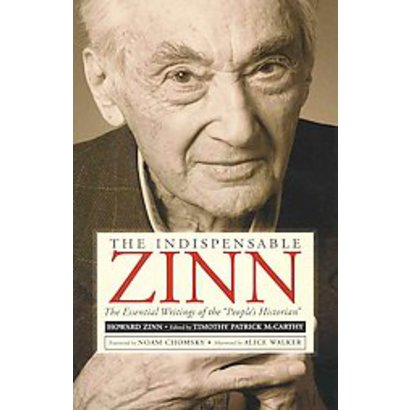
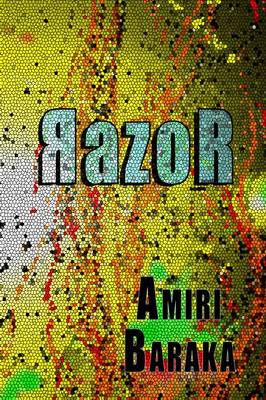
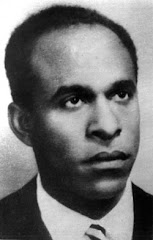
JAYNE CORTEZ AS SHE APPEARED IN 'POETRY IN MOTION' FILM IN 1982

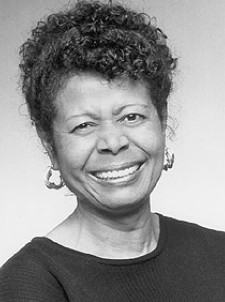
JAYNE CORTEZ, 1934-2012

Jayne Cortez
Photo Credit: Marcia Wilson
http://aalbc.com/authors/jayne.htm
http://www.jaynecortez08.com/
http://www.afropoets.net/jaynecortez.html
All,
The death of Jayne Cortez at the age of 78 on friday, December 28, 2012 marks the passing of one of the most important, dynamic, and truly innovative figures in American poetry since WW II and one of the most revered, original, and influential poets in the pantheon of African American poetry of the 20th/21st century. Her singular artistic impact on our collective historical, cultural, and political understanding of how language works to mold and create as well as disfigure and distort our sense of 'reality' and consciousness in the world was the hallmark of an always stylistically fluid and ever mutating use and manipulation of a broad multiplicity of sounds, symbols, rhythms and lyrical forms and structures in service to a powerful literary vision that is deeply informed by various vernacular traditions in African and African American music, writing, and speech as well as various creative and expressive uses of surreality, rituals, and 'magical realism' from Europe, Africa, Asia and (especially) Latin American sources. In addition, Ms. Cortez mastered these many seemingly disparate modes and styles of writing, orality, and performative art that seamlessly incorporated and extended the musical forms of Jazz, blues, and R & B within an intricate and utterly original method of using language both on and off the page.
Finally, I was personally very fortunate to have known Jayne for many years. Her great intelligence, strength, kindness, creativity, compassion, humor, and revolutionary CLARITY was always so very helpful, inspiring, and encouraging to me as a young writer finding my way in the world. I was also able to see and hear Jayne perform her riveting poetry with her terrific legendary ensemble the Firespitters many times over the years which never ceased to be both inspiring and deeply informative. Jayne was an utterly unique and fantastic person and artist whose amazing work and transcendent revolutionary spirit will be sorely missed. What an ORIGINAL and absolutely mesmerizing force Jayne was! Like so many others, I will miss her dearly...RIP JAYNE...
Kofi
http://www.nytimes.com/2013/01/04/arts/jayne-cortez-poet-and-performance-artist-dies-at-78.html?_r=1&
Jayne Cortez, Jazz Poet, Dies at 78

By MARGALIT FOX
January 3, 2013
New York Times
Jayne Cortez, a poet and performance artist whose work was known for its visceral power, its political outrage and above all its sheer, propulsive musicality, died on Dec. 28 in Manhattan. She was 78.
Her death, at Beth Israel Medical Center, was from heart failure, her son, the jazz drummer Denardo Coleman, said.
One of the central figures of the Black Arts Movement — the cultural branch of the black power movement that flourished in the 1960s and ’70s — Ms. Cortez remained active for decades afterward, publishing a dozen volumes of poetry and releasing almost as many recordings, on which her verse was seamlessly combined with avant-garde music.
She performed on prominent stages around the world, including, in New York, the Schomburg Center for Research in Black Culture, the Museum of Modern Art and Carnegie Hall.
Ms. Cortez’s work was beyond category by virtue of embodying so many categories simultaneously: written verse, African and African-American oral tradition, the discourse of political protest, and jazz and blues. Meant for the ear even more than for the eye, her words combine a hurtling immediacy with an incantatory orality.
Starting in the 1960s, Ms. Cortez began performing her work to musical accompaniment. For the past three decades she toured and recorded with her own band, the Firespitters, whose members include her son, from her first marriage, to the saxophonist and composer Ornette Coleman.
As performed, Ms. Cortez’s poems were not so much set to music as they were a part of the music. They were chanted more than recited, employing carefully calibrated repetitions, shifts in tempo and modulations of vocal tone.
It was as if her verse, which often took on large, painful subjects like racism and misogyny, had become an instrument itself — an instrument, Ms. Cortez felt strongly, to be wielded in the service of social change.
In one of her best-known works, “If the Drum Is a Woman,” for instance, she indicts violence against women. (The title invokes Duke Ellington’s 1956 composition “A Drum Is a Woman”):
why are you pounding your drum into an insane babble
why are you pistol-whipping your drum at dawn
why are you shooting through the head of your drum
and making a drum tragedy of drums
if the drum is a woman
don’t abuse your drum don’t abuse your drum
don’t abuse your drum
Sallie Jayne Richardson, always called Jayne, was born on the Army base at Fort Huachuca, Ariz., on May 10, 1934. (The year of her birth is often misreported as 1936.) Her father was a career soldier who would serve in both world wars; her mother was a secretary.
Reared in Los Angeles, young Jayne Richardson reveled in the jazz and Latin recordings that her parents collected. She studied art, music and drama in high school and later attended Compton Community College. She took the surname Cortez, the maiden name of her maternal grandmother, early in her artistic career.
In the summers of 1963 and 1964, Ms. Cortez worked with the Student Nonviolent Coordinating Committee, registering black voters in Mississippi. It was this work as much as anything, she later said, that caused her to regard art and political action as an indivisible whole.
She gave her first public poetry readings with the Watts Repertory Theater Company, a Los Angeles ensemble she founded in 1964. Ms. Cortez, who had homes in Manhattan and Dakar, Senegal, was also a founder of the Organization of Women Writers of Africa, established in 1991.
Ms. Cortez’s marriage to Mr. Coleman ended in divorce in 1964, after 10 years. Besides her son, she is survived by her second husband, Melvin Edwards, a prominent sculptor whom she married in 1975; a sister, Shawn Smith; three stepdaughters, Ana, Margit and Allma Edwards; and a grandson.
Her volumes of poetry, many illustrated by Mr. Edwards, include “Festivals and Funerals” (1971), “Coagulations” (1984) and “Jazz Fan Looks Back” (2002); her albums include “Everywhere Drums” (1990) and “Taking the Blues Back Home” (1996).
Ms. Cortez, who taught at universities throughout the United States, including Rutgers, was among the artists featured — others include Amiri Baraka, Charles Bukowski, John Cage and Allen Ginsberg — in Ron Mann’s esteemed 1982 documentary film, “Poetry in Motion.”
Despite her work’s eclecticism, Ms. Cortez was comfortable invoking a single genre to describe it, precisely because that genre was itself so encompassing.
“Jazz isn’t just one type of music, it’s an umbrella that covers the history of black people from African drumming to field hollers and the blues,” she told The Weekly Journal, a black newspaper in Britain, in 1997. “In the sense that I also try to reflect the fullness of the black experience, I’m very much a jazz poet.”
http://www.huffingtonpost.com/2013/01/05/jayne-cortez-dead-poet-performer-dies-age-78_n_2415854.html
January 7, 2013
Jayne Cortez Dead:
Poet-Performer Dies At 78
HUFFINGTON POST
01/05/13 AP
NEW YORK -- Jayne Cortez, a forceful poet, activist and performance artist who blended oral and written traditions into numerous books and musical recordings, has died. She was 78.
The Organization of Women Writers of Africa says Cortez died of heart failure in New York on Dec. 28. She had helped found the group and, while dividing her time between homes in New York and Senegal, was planning a symposium of women writers to be held in Ghana in May.
Cortez was a prominent figure in the black arts movement of the 1960s and `70s that advocated art as a vehicle for political protest. She cited her experiences trying to register black voters in Mississippi in the early `60s as a key influence.
A native of Fort Huachuca, Ariz., she was raised in the Watts section of Los Angeles. She loved jazz since childhood and would listen to her parents' record collection. Musicians including trumpeter Don Cherry would visit her home and through them she met her first husband, Ornette Coleman, one of the world's greatest jazz artists. They were married from 1954 to 1964.
Her books included "Scarifications" and "Mouth On Paper," and she recorded often with her band the Firespitters, chanting indictments of racism, sexism and capitalism. Its members included her son, drummer Denardo Coleman, and several other members of Ornette Coleman's electronic Prime Time band, guitarist Bern Nix and bassist Al McDowell.
Cortez, who described herself as a "jazz poet," performed all over the world and her work was translated into 28 languages. At the time of her death, she was living with her second husband, the sculptor Melvin Edwards.
One of the great poets of our
time and especially important
to those who love music and
care about social justice.
Here's her tribute to her
good friend Don Cherry
(backed up by members of
Ornette Coleman's legendary
Prime Time band.)
Video:
http://www.jazzonthetube.com/page/21805.html
Jayne Cortez - “Womanist Warrior Poet”
Jayne Cortez (May 10, 1936 - December 28, 2012) was a poet, and performance artist. Cortez authored eleven books of poetry and was a performer of her poems with music on nine recordings. Her voice is celebrated for its political, surrealistic, and dynamic innovations in lyricism, and visceral sound. Cortez has presented her work and ideas at universities, museums, and festivals around the world. Her poems have been translated into many languages and widely published in anthologies, journals, and magazines. She is a recipient of several awards including: Arts International, the National Endowment for the Arts, the International African Festival Award. The Langston Hughes Medal, The American Book Award, and the Thelma McAndless Distinguished Professorship Award.
Her most recent books include THE BEAUTIFUL BOOK (Bola Press) and JAZZ FAN LOOKS BACK (Hanging Loose Press). Her latest CDs with the Firespitter Band are FIND YOUR OWN VOICE, BORDERS OF DISORDERLY TIME (Bola Press), TAKING THE BLUES BACK HOME, produced by Harmolodic and by Verve Records. Cortez was the organizer of the international symposium "Slave Routes: Resistance, Abolition & Creative Progress" (NYU) and director of the film Yari Yari Pamberi: Black Women Writers Dissecting Globalization. She was also co-founder and president of the Organization of Women Writers of Africa, Inc., and can be seen on screen in the films Women In Jazz and Poetry In Motion.
Below Cortez reads a selection of her award-winning work, which vividly reflects the energy, passions, rhythms and tensions of modern urban life from an African-American femininst perspective.
http://www.jaynecortez08.com/
http://www.afropoets.net/jaynecortez.html
All,
The death of Jayne Cortez at the age of 78 on friday, December 28, 2012 marks the passing of one of the most important, dynamic, and truly innovative figures in American poetry since WW II and one of the most revered, original, and influential poets in the pantheon of African American poetry of the 20th/21st century. Her singular artistic impact on our collective historical, cultural, and political understanding of how language works to mold and create as well as disfigure and distort our sense of 'reality' and consciousness in the world was the hallmark of an always stylistically fluid and ever mutating use and manipulation of a broad multiplicity of sounds, symbols, rhythms and lyrical forms and structures in service to a powerful literary vision that is deeply informed by various vernacular traditions in African and African American music, writing, and speech as well as various creative and expressive uses of surreality, rituals, and 'magical realism' from Europe, Africa, Asia and (especially) Latin American sources. In addition, Ms. Cortez mastered these many seemingly disparate modes and styles of writing, orality, and performative art that seamlessly incorporated and extended the musical forms of Jazz, blues, and R & B within an intricate and utterly original method of using language both on and off the page.
Finally, I was personally very fortunate to have known Jayne for many years. Her great intelligence, strength, kindness, creativity, compassion, humor, and revolutionary CLARITY was always so very helpful, inspiring, and encouraging to me as a young writer finding my way in the world. I was also able to see and hear Jayne perform her riveting poetry with her terrific legendary ensemble the Firespitters many times over the years which never ceased to be both inspiring and deeply informative. Jayne was an utterly unique and fantastic person and artist whose amazing work and transcendent revolutionary spirit will be sorely missed. What an ORIGINAL and absolutely mesmerizing force Jayne was! Like so many others, I will miss her dearly...RIP JAYNE...
Kofi
http://www.nytimes.com/2013/01/04/arts/jayne-cortez-poet-and-performance-artist-dies-at-78.html?_r=1&
Jayne Cortez, Jazz Poet, Dies at 78

David Corio
Jayne Cortez performing in New York in 1994. Her work was known for its power and outrage. David Corio
By MARGALIT FOX
January 3, 2013
New York Times
Jayne Cortez, a poet and performance artist whose work was known for its visceral power, its political outrage and above all its sheer, propulsive musicality, died on Dec. 28 in Manhattan. She was 78.
Her death, at Beth Israel Medical Center, was from heart failure, her son, the jazz drummer Denardo Coleman, said.
One of the central figures of the Black Arts Movement — the cultural branch of the black power movement that flourished in the 1960s and ’70s — Ms. Cortez remained active for decades afterward, publishing a dozen volumes of poetry and releasing almost as many recordings, on which her verse was seamlessly combined with avant-garde music.
She performed on prominent stages around the world, including, in New York, the Schomburg Center for Research in Black Culture, the Museum of Modern Art and Carnegie Hall.
Ms. Cortez’s work was beyond category by virtue of embodying so many categories simultaneously: written verse, African and African-American oral tradition, the discourse of political protest, and jazz and blues. Meant for the ear even more than for the eye, her words combine a hurtling immediacy with an incantatory orality.
Starting in the 1960s, Ms. Cortez began performing her work to musical accompaniment. For the past three decades she toured and recorded with her own band, the Firespitters, whose members include her son, from her first marriage, to the saxophonist and composer Ornette Coleman.
As performed, Ms. Cortez’s poems were not so much set to music as they were a part of the music. They were chanted more than recited, employing carefully calibrated repetitions, shifts in tempo and modulations of vocal tone.
It was as if her verse, which often took on large, painful subjects like racism and misogyny, had become an instrument itself — an instrument, Ms. Cortez felt strongly, to be wielded in the service of social change.
In one of her best-known works, “If the Drum Is a Woman,” for instance, she indicts violence against women. (The title invokes Duke Ellington’s 1956 composition “A Drum Is a Woman”):
why are you pounding your drum into an insane babble
why are you pistol-whipping your drum at dawn
why are you shooting through the head of your drum
and making a drum tragedy of drums
if the drum is a woman
don’t abuse your drum don’t abuse your drum
don’t abuse your drum
Sallie Jayne Richardson, always called Jayne, was born on the Army base at Fort Huachuca, Ariz., on May 10, 1934. (The year of her birth is often misreported as 1936.) Her father was a career soldier who would serve in both world wars; her mother was a secretary.
Reared in Los Angeles, young Jayne Richardson reveled in the jazz and Latin recordings that her parents collected. She studied art, music and drama in high school and later attended Compton Community College. She took the surname Cortez, the maiden name of her maternal grandmother, early in her artistic career.
In the summers of 1963 and 1964, Ms. Cortez worked with the Student Nonviolent Coordinating Committee, registering black voters in Mississippi. It was this work as much as anything, she later said, that caused her to regard art and political action as an indivisible whole.
She gave her first public poetry readings with the Watts Repertory Theater Company, a Los Angeles ensemble she founded in 1964. Ms. Cortez, who had homes in Manhattan and Dakar, Senegal, was also a founder of the Organization of Women Writers of Africa, established in 1991.
Ms. Cortez’s marriage to Mr. Coleman ended in divorce in 1964, after 10 years. Besides her son, she is survived by her second husband, Melvin Edwards, a prominent sculptor whom she married in 1975; a sister, Shawn Smith; three stepdaughters, Ana, Margit and Allma Edwards; and a grandson.
Her volumes of poetry, many illustrated by Mr. Edwards, include “Festivals and Funerals” (1971), “Coagulations” (1984) and “Jazz Fan Looks Back” (2002); her albums include “Everywhere Drums” (1990) and “Taking the Blues Back Home” (1996).
Ms. Cortez, who taught at universities throughout the United States, including Rutgers, was among the artists featured — others include Amiri Baraka, Charles Bukowski, John Cage and Allen Ginsberg — in Ron Mann’s esteemed 1982 documentary film, “Poetry in Motion.”
Despite her work’s eclecticism, Ms. Cortez was comfortable invoking a single genre to describe it, precisely because that genre was itself so encompassing.
“Jazz isn’t just one type of music, it’s an umbrella that covers the history of black people from African drumming to field hollers and the blues,” she told The Weekly Journal, a black newspaper in Britain, in 1997. “In the sense that I also try to reflect the fullness of the black experience, I’m very much a jazz poet.”
http://www.huffingtonpost.com/2013/01/05/jayne-cortez-dead-poet-performer-dies-age-78_n_2415854.html
January 7, 2013
Jayne Cortez Dead:
Poet-Performer Dies At 78
HUFFINGTON POST
01/05/13 AP
NEW YORK -- Jayne Cortez, a forceful poet, activist and performance artist who blended oral and written traditions into numerous books and musical recordings, has died. She was 78.
The Organization of Women Writers of Africa says Cortez died of heart failure in New York on Dec. 28. She had helped found the group and, while dividing her time between homes in New York and Senegal, was planning a symposium of women writers to be held in Ghana in May.
Cortez was a prominent figure in the black arts movement of the 1960s and `70s that advocated art as a vehicle for political protest. She cited her experiences trying to register black voters in Mississippi in the early `60s as a key influence.
A native of Fort Huachuca, Ariz., she was raised in the Watts section of Los Angeles. She loved jazz since childhood and would listen to her parents' record collection. Musicians including trumpeter Don Cherry would visit her home and through them she met her first husband, Ornette Coleman, one of the world's greatest jazz artists. They were married from 1954 to 1964.
Her books included "Scarifications" and "Mouth On Paper," and she recorded often with her band the Firespitters, chanting indictments of racism, sexism and capitalism. Its members included her son, drummer Denardo Coleman, and several other members of Ornette Coleman's electronic Prime Time band, guitarist Bern Nix and bassist Al McDowell.
Cortez, who described herself as a "jazz poet," performed all over the world and her work was translated into 28 languages. At the time of her death, she was living with her second husband, the sculptor Melvin Edwards.
One of the great poets of our
time and especially important
to those who love music and
care about social justice.
Here's her tribute to her
good friend Don Cherry
(backed up by members of
Ornette Coleman's legendary
Prime Time band.)
Video:
http://www.jazzonthetube.com/page/21805.html
Jayne Cortez - “Womanist Warrior Poet”
Jayne Cortez (May 10, 1936 - December 28, 2012) was a poet, and performance artist. Cortez authored eleven books of poetry and was a performer of her poems with music on nine recordings. Her voice is celebrated for its political, surrealistic, and dynamic innovations in lyricism, and visceral sound. Cortez has presented her work and ideas at universities, museums, and festivals around the world. Her poems have been translated into many languages and widely published in anthologies, journals, and magazines. She is a recipient of several awards including: Arts International, the National Endowment for the Arts, the International African Festival Award. The Langston Hughes Medal, The American Book Award, and the Thelma McAndless Distinguished Professorship Award.
Her most recent books include THE BEAUTIFUL BOOK (Bola Press) and JAZZ FAN LOOKS BACK (Hanging Loose Press). Her latest CDs with the Firespitter Band are FIND YOUR OWN VOICE, BORDERS OF DISORDERLY TIME (Bola Press), TAKING THE BLUES BACK HOME, produced by Harmolodic and by Verve Records. Cortez was the organizer of the international symposium "Slave Routes: Resistance, Abolition & Creative Progress" (NYU) and director of the film Yari Yari Pamberi: Black Women Writers Dissecting Globalization. She was also co-founder and president of the Organization of Women Writers of Africa, Inc., and can be seen on screen in the films Women In Jazz and Poetry In Motion.
Below Cortez reads a selection of her award-winning work, which vividly reflects the energy, passions, rhythms and tensions of modern urban life from an African-American femininst perspective.
Series: "Artists on the Cutting Edge":
http://www.youtube.com/watch?v=wB3SY8xZtVk
Jayne Cortez and the firespitters - "There it is":
http://www.youtube.com/watch?v=G6bKgljhvR0
"Maintain Control/Economic Love Song" by Jayne Cortez:
http://www.youtube.com/watch?v=Ii3_MBXqAqU
"She Got He Got" by Jayne Cortez:
http://www.youtube.com/watch?v=6h0qYZTXaiI&list=PL0EBD4BF63B846BE2
Artists On The Cutting Edge: Jayne Cortez:
http://www.youtube.com/watch?v=wB3SY8xZtVk
"I Am New York City" by Jayne Cortez:
http://www.youtube.com/watch?v=zcCHXSIFLfg
"I See Chano Pozo" by Jayne Cortez:
http://www.youtube.com/watch?v=ZNA1e3dwdZg
"How Long Has Trane Been Gone" by Jayne Cortez:
http://www.youtube.com/watch?v=ftrVsO4dP5o
"Find Your Own Voice" by Jayne Cortez:
http://www.youtube.com/watch?v=-moyZ7Rld2w
"Rape" by Jayne Cortez:
http://www.youtube.com/watch?v=ig4ItmFlKTg
Jayne Cortez & The Firespitters - "Everybody Wants To Be Somebody":
http://www.youtube.com/watch?v=7zf8H7Jx57c
Jayne Cortez and the firespitters - "There it is":
http://www.youtube.com/watch?v=G6bKgljhvR0
"Maintain Control/Economic Love Song" by Jayne Cortez:
http://www.youtube.com/watch?v=Ii3_MBXqAqU
"She Got He Got" by Jayne Cortez:
http://www.youtube.com/watch?v=6h0qYZTXaiI&list=PL0EBD4BF63B846BE2
Artists On The Cutting Edge: Jayne Cortez:
http://www.youtube.com/watch?v=wB3SY8xZtVk
"I Am New York City" by Jayne Cortez:
http://www.youtube.com/watch?v=zcCHXSIFLfg
"I See Chano Pozo" by Jayne Cortez:
http://www.youtube.com/watch?v=ZNA1e3dwdZg
"How Long Has Trane Been Gone" by Jayne Cortez:
http://www.youtube.com/watch?v=ftrVsO4dP5o
"Find Your Own Voice" by Jayne Cortez:
http://www.youtube.com/watch?v=-moyZ7Rld2w
"Rape" by Jayne Cortez:
http://www.youtube.com/watch?v=ig4ItmFlKTg
Jayne Cortez & The Firespitters - "Everybody Wants To Be Somebody":
http://www.youtube.com/watch?v=7zf8H7Jx57c
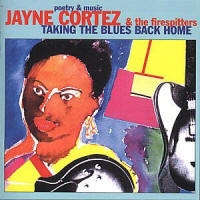
Audio CD (August 6, 1996)
Number of Discs: 1
Label: Polygram Records
"Excellent performance by the Jayne & her Firespitters with guitar ace Carl Weathersby providing a guest appearance."
Track Listings
Taking The Blues Back Home
Bumblebee, You Saw Big Mama
Mojo 96
Cultural Operations
The Guitars I Used To Know
Talk To Me
I Have Been Searching
Global Inequalities
Blues Bop For Diz
You Can Be
Endangered Species List Blues
Nobody Knows A Thing
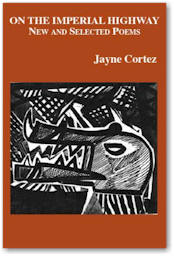
Paperback: 131 pages
Publisher: Hanging Loose Press (February 23, 2009)
Language: English
ISBN-10: 1931236909
ISBN-13: 978-1931236904
Product Dimensions: 8.9 x 6 x 0.5 inches
"Jayne Cortez's poems are filled with images that most of us are afraid to see." —Walter Mosley
New York poet Jayne "Cortez has been and continues to be an explorer, probing the valleys and chasms of human existence. No ravine is too perilous, no abyss too threatening for Jayne Cortez."
—Maya Angelou


Jazz Beyond Jazz
Howard Mandel's Urban Improvisation
Jayne Cortez — poet, activist, muse of the avant garde — dies, age 76

Jayne Cortez, a no-nonsense poet who often declaimed her incisive lines of vivid imagery tying fierce social criticism to imperatives of personal responsibility with backing by her band the Firespitters, died Dec. 28 at age 76. Her deep appreciation of American blues and jazz was another of her constant themes; her son Denardo Coleman played drums in the Firespitters, with whom she recorded six albums.

An activist in the Civil Rights movement, organizer of Watts writing and drama workshops, founder of the Watts Repertory Theater, Bola Press and co-founder of the Organization of Women Writers of Africa, Ms. Cortez has also taught at Rutgers, Howard, Wesleyan and Eastern Michigan universities, Dartmouth and Queens colleges and was a muse to the avant garde. Her husband sculptor Melvin Edwards is well known for his series “Lynch Fragments” and “Rockers.” When Ms. Cortez was a teenager in California, musicians including Don Cherry hung out at her family’s home because she had (as Cherry said) “the best record collection,” and through them she met Ornette Coleman, to whom she was married from 1954 to ’64 and with whom she kept in contact. Members of the Firespitters such as guitarist Bern Nix and bassist Jamaaldeen Tacuma, besides Denardo, played in Ornette’s electrically amplified band Prime Time.
Born in Arizona, raised in Los Angeles, Ms. Cortez was drawn to the arts at an early age. She painted and played cello besides keeping journals, graduated from an arts high school but was unable to go to college due to financial problems. She is sometimes said to have inspired Coleman’s composition “Lonely Woman,” originally titled “Angry Woman” — but the adjectives that seem (in my limited experience) to best describe Jayne Cortez are independent, inquisitive, precise and determined. Rhythm, repetition and pointed rhetoric characterize her poetry, as when she asked, “If the drum is a woman/Why do you beat your woman?”:

Jazz Fan Looks Back
Paperback: 115 pages
Publisher: Hanging Loose Press (October 23, 2002)
Language: English
ISBN-10: 1931236097
ISBN-13: 978-1931236096
"Jayne Cortez understands better than most how to make spoken words and images swing and rock." —Gene Seymour, Newsweek
Paperback: 115 pages
Publisher: Hanging Loose Press (October 23, 2002)
Language: English
ISBN-10: 1931236097
ISBN-13: 978-1931236096
"Jayne Cortez understands better than most how to make spoken words and images swing and rock." —Gene Seymour, Newsweek

Somewhere In Advance of NowherePaperback: 124 pages
Publisher: Serpent's Tail (May 1, 1996)
Language: English
ISBN-10: 1852424222
ISBN-13: 978-1852424220
Product Dimensions: 8 x 5 x 0.4 inches
Cortez writes verse that's fiercely frank and urban. These poems range from the overtly political, even didactic, to the streetwise sensuality of Cortez's better rhythmic, percussive efforts which, no less harsh and glaring, provide an unflinching glimpse at life's ugliness. Occasionally, this grim point of view produces a keen, if gritty, kind of insight, and hence a hopefulness arising from clarity, as in "Companera (Ana Mendieta)," in which Cortez writes of a sculptor friend, "a cyclone in blue tennis shoes/ a sequin dress machete," who was thrown out of a window by a drunk lover: "Why not say/ after the exit of two great drummers/ & in between the entrance of/ one monumental earthquake/ a huge volcano eruption/ & reappearance of the tail of Halley's comet/ We lost Ana/ but Ana did not leap/ because Ana knew/ Ana could not fly." Despite much loss, the speaker of these poems manages to survive. This resilience animates Cortez's work and supports the unwavering, and compelling directness with which she confronts the world.
Publisher: Serpent's Tail (May 1, 1996)
Language: English
ISBN-10: 1852424222
ISBN-13: 978-1852424220
Product Dimensions: 8 x 5 x 0.4 inches
Cortez writes verse that's fiercely frank and urban. These poems range from the overtly political, even didactic, to the streetwise sensuality of Cortez's better rhythmic, percussive efforts which, no less harsh and glaring, provide an unflinching glimpse at life's ugliness. Occasionally, this grim point of view produces a keen, if gritty, kind of insight, and hence a hopefulness arising from clarity, as in "Companera (Ana Mendieta)," in which Cortez writes of a sculptor friend, "a cyclone in blue tennis shoes/ a sequin dress machete," who was thrown out of a window by a drunk lover: "Why not say/ after the exit of two great drummers/ & in between the entrance of/ one monumental earthquake/ a huge volcano eruption/ & reappearance of the tail of Halley's comet/ We lost Ana/ but Ana did not leap/ because Ana knew/ Ana could not fly." Despite much loss, the speaker of these poems manages to survive. This resilience animates Cortez's work and supports the unwavering, and compelling directness with which she confronts the world.
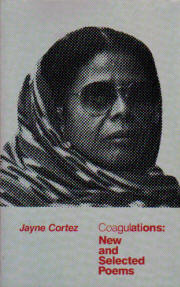
Coagulations: New and Selected Poems
Paperback: 112 pages
Publisher: Thunder's Mouth Pr (May 1984)
Language: English
ISBN-10: 0938410202
ISBN-13: 978-0938410201
Product Dimensions: 8.3 x 5.2 x 0.4 inches
Poetry
There It Is
by Jayne Cortez
Paperback: 112 pages
Publisher: Thunder's Mouth Pr (May 1984)
Language: English
ISBN-10: 0938410202
ISBN-13: 978-0938410201
Product Dimensions: 8.3 x 5.2 x 0.4 inches
Poetry
There It Is
by Jayne Cortez
And if we don't fight
if we don't resist
if we don't organize and unify and
get the power to control our own lives
Then we will wear
the exaggerated look of captivity
the stylized look of submission
the bizarre look of suicide
the dehumanized look of fear
and the decomposed look of repression
forever and ever and ever And there it is
In fact
poetry
will not
strike
lightning
through
any
convoy of chickens
Today poems are like flags
flying on liquor store roof
poems are like baboons
waiting to be fed by tourists
& does it matter
how many metaphors
reach out to you
when the sun
goes down like
a stuffed bird in
tropical forest
of your solitude
In fact
poetry
will not
sing jazz
through
constricted mouth
of an anteater
no matter how many
symbols survive
to see the moon
dying in saw dust
of your toenail
Rose Solitude
"I am essence of Rose Solitude
my cheeks are laced with cognac
my hips sealed with five satin nails
i carry dreams and romance of new fools and old
flames
between the musk of fat
and the side pocket of my mink tongue."
if we don't resist
if we don't organize and unify and
get the power to control our own lives
Then we will wear
the exaggerated look of captivity
the stylized look of submission
the bizarre look of suicide
the dehumanized look of fear
and the decomposed look of repression
forever and ever and ever And there it is
In fact
poetry
will not
strike
lightning
through
any
convoy of chickens
Today poems are like flags
flying on liquor store roof
poems are like baboons
waiting to be fed by tourists
& does it matter
how many metaphors
reach out to you
when the sun
goes down like
a stuffed bird in
tropical forest
of your solitude
In fact
poetry
will not
sing jazz
through
constricted mouth
of an anteater
no matter how many
symbols survive
to see the moon
dying in saw dust
of your toenail
Rose Solitude
"I am essence of Rose Solitude
my cheeks are laced with cognac
my hips sealed with five satin nails
i carry dreams and romance of new fools and old
flames
between the musk of fat
and the side pocket of my mink tongue."
-Jayne Cortez
http://www.artsjournal.com/jazzbeyondjazz/2012/12/jayne-cortez-poet-activist-muse-of-the-avant-garde-dies-age-76.html
“The avant-garde is that in art which didn’t exist before. It’s always hard to introduce, because the avant-garde has to make a place for itself where there wasn’t one, where there wasn’t anything.”
“The avant-garde is that in art which didn’t exist before. It’s always hard to introduce, because the avant-garde has to make a place for itself where there wasn’t one, where there wasn’t anything.”
--Jayne Cortez
Jazz Beyond Jazz
Howard Mandel's Urban Improvisation
Jayne Cortez — poet, activist, muse of the avant garde — dies, age 76
By Howard Mandel
December 30, 2012
December 30, 2012
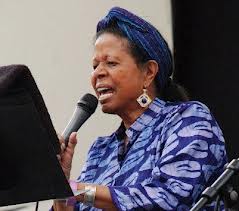
Jayne Cortez
Jayne Cortez, a no-nonsense poet who often declaimed her incisive lines of vivid imagery tying fierce social criticism to imperatives of personal responsibility with backing by her band the Firespitters, died Dec. 28 at age 76. Her deep appreciation of American blues and jazz was another of her constant themes; her son Denardo Coleman played drums in the Firespitters, with whom she recorded six albums.

One of the “Lynch Fragments” by the sculptor Mel Edwards
An activist in the Civil Rights movement, organizer of Watts writing and drama workshops, founder of the Watts Repertory Theater, Bola Press and co-founder of the Organization of Women Writers of Africa, Ms. Cortez has also taught at Rutgers, Howard, Wesleyan and Eastern Michigan universities, Dartmouth and Queens colleges and was a muse to the avant garde. Her husband sculptor Melvin Edwards is well known for his series “Lynch Fragments” and “Rockers.” When Ms. Cortez was a teenager in California, musicians including Don Cherry hung out at her family’s home because she had (as Cherry said) “the best record collection,” and through them she met Ornette Coleman, to whom she was married from 1954 to ’64 and with whom she kept in contact. Members of the Firespitters such as guitarist Bern Nix and bassist Jamaaldeen Tacuma, besides Denardo, played in Ornette’s electrically amplified band Prime Time.
Born in Arizona, raised in Los Angeles, Ms. Cortez was drawn to the arts at an early age. She painted and played cello besides keeping journals, graduated from an arts high school but was unable to go to college due to financial problems. She is sometimes said to have inspired Coleman’s composition “Lonely Woman,” originally titled “Angry Woman” — but the adjectives that seem (in my limited experience) to best describe Jayne Cortez are independent, inquisitive, precise and determined. Rhythm, repetition and pointed rhetoric characterize her poetry, as when she asked, “If the drum is a woman/Why do you beat your woman?”:
If the drum is a woman
then understand your drum
. . . your drum is not invisible
your drum is not inferior to you
your drum is a woman
so don’t reject your drum
don’t try to dominate your drum
. . . don’t be forced into the position
as an oppressor of drums
and make a drum tragedy of drums
if your drum is a woman
don’t abuse your drum.
In 2000, I was honored to be invited by Jayne Cortez to sit on a panel for an international symposium she was helping to organize at New York University titled “Slave Routes: The Long Memory.” Sometime later, while writing Miles Ornette Cecil – Jazz Beyond Jazz, I ran into her coming out a Manhattan drug store and we chatted briefly. I mentioned that my topic was the avant-garde, and she immediately responded that “the avant-garde is that in art which didn’t exist before. It’s always hard to introduce, because the avant-garde has to make a place for itself where there wasn’t one, where there wasn’t anything.”
Deeper, deeper, deeper/Higher, higher, higher. Always reaching and urging us to, too, intending encouragement as much as challenge. Thanks, Jayne Cortez, for ideas, spirit, words and music.
Deeper, deeper, deeper/Higher, higher, higher. Always reaching and urging us to, too, intending encouragement as much as challenge. Thanks, Jayne Cortez, for ideas, spirit, words and music.
http://voices.cla.umn.edu/artistpages/cortezJavne.php
MAYBE LIBERTY JUSTICE EQUALITY
MAYBE IN THE 21ST CENTURY
MAYBE ON ANOTHER PLANET
MAYBE IN OUTER SPACE MAYBE MAYBE MAYBE
NO EQUALITY NO JUSTICE NO LIBERTY
WHAT KIND OF DEMOCRACY IS THIS?
Biography / Criticism
Poet, musician, activist, and entrepreneur Jayne Cortez is an accomplished woman who uses her work to address social problems in the U.S. and around the world. Over the last 30 years, she has contributed greatly to the struggle for racial and gender equality.
Jayne Cortez was born in Fort Huachuca, Arizona and raised in Los Angeles. After graduating from an arts high school, Cortez enrolled in college, but was forced to drop out due to financial problems. From an early age, Cortez was heavily influenced by jazz artists from the Los Angeles area. In 1954, at the age of 18, Cortez married the rising jazz star Ornette Coleman. The two had a son, Denardo Coleman, two years later.
In the 1960s Cortez embarked on several endeavors, including participating in the Civil Rights Movement in Mississippi, traveling to Europe and Africa, and organizing writing workshops in Watts, California. Cortez landed in New York City in 1967, where she still resides when not teaching or performing around the world.
In 1964 Cortez founded the Watts Repertory Theater, and in 1972 she established her own publishing company, Bola Press. Cortez has written ten books of poetry, her most recent being Jazz Fan Looks Back (2002). Her work has been highly praised by black contemporary artists such as Maya Angelou and Amiri Baraka. Cortez has taught and presented her work in many countries around the world, including Paris, South Africa, Brazil, and Berlin. Furthermore, her work has been translated into 28 different languages, and she has been published in well-known journals such as Presence Africaine, Black Scholar, Daughters of Africa and Mother Jones. Cortez received the Langston Hughes Award for excellence in the arts and letters, the American Book Award, and the International African Festival Award, among others. Cortez also serves as the president of the Organization of Women Writers of Africa, which she founded in 1991 with Ama Ata Aidoo of Ghana.
With her band, the Firespitters, Cortez has recorded nine albums. The group's eight members, including Cortez's son, create a unique sound of jazz/funk beats which accompany Cortez's spoken word poems.
Many of Cortez's poems embrace the values of the Black Arts Movement of the 60s and 70s. Her razor sharp imagery and directness leave no room for questioning the intent of the author. Cortez's excrescent language and her ability to push the acceptable limits of expression to address issues of race, sex, and homophobia place her in a category that few other women occupy. Coagulations: New and Selected Poems (1984) clearly depicts her stylistic approach to political poetry. This collection is divided into four sections, with each section addressing specific aspects of her political agenda. In the first section, entitled "Scarifications," Cortez gives poetic animation to New York City and the cultures it represents. She speaks of New York City as a "brain of hot sauce. " She writes: "new york city never change never sleep never melt" ("I Am New York City"). She begs the city in smooth tempo, "new york/ won't you confess/ your private affairs" ("Bowery Street").
The second section in Coagulations is "Mouth on Paper," where Cortez turns to descriptions of people who have shaped the political atmosphere. She cites poets Christopher Okigbo and Henry Dumas, teenager Claude Reece Jr. , dancer and singer Josephine Baker, jazz musician Duke Ellington, the students in Soweto, and all the silent masses of black people who add to the racial conundrum that is the United States. She writes of "bloodthirsty people/ brooding in North Dakota with grenades in their hands"; a militant force of people anxious for equality, but "brooding beyond the deadline" ("Brooding"). This section reveals Cortez's fiery poetic style. She strongly denounces racism when she writes:
Give me the black on the red of the bullet
. . . for the blackness of Claude Reece Jr. the blackness called dangerous weapon
called resisting an arrest
call nigger threat
I want to make justice for the blackness of Claude Reece Jr.
— "Give me the Red on the Black of the Bullet"
MAYBE LIBERTY JUSTICE EQUALITY
MAYBE IN THE 21ST CENTURY
MAYBE ON ANOTHER PLANET
MAYBE IN OUTER SPACE MAYBE MAYBE MAYBE
NO EQUALITY NO JUSTICE NO LIBERTY
WHAT KIND OF DEMOCRACY IS THIS?
--Jayne Cortez
Biography / Criticism
Poet, musician, activist, and entrepreneur Jayne Cortez is an accomplished woman who uses her work to address social problems in the U.S. and around the world. Over the last 30 years, she has contributed greatly to the struggle for racial and gender equality.
Jayne Cortez was born in Fort Huachuca, Arizona and raised in Los Angeles. After graduating from an arts high school, Cortez enrolled in college, but was forced to drop out due to financial problems. From an early age, Cortez was heavily influenced by jazz artists from the Los Angeles area. In 1954, at the age of 18, Cortez married the rising jazz star Ornette Coleman. The two had a son, Denardo Coleman, two years later.
In the 1960s Cortez embarked on several endeavors, including participating in the Civil Rights Movement in Mississippi, traveling to Europe and Africa, and organizing writing workshops in Watts, California. Cortez landed in New York City in 1967, where she still resides when not teaching or performing around the world.
In 1964 Cortez founded the Watts Repertory Theater, and in 1972 she established her own publishing company, Bola Press. Cortez has written ten books of poetry, her most recent being Jazz Fan Looks Back (2002). Her work has been highly praised by black contemporary artists such as Maya Angelou and Amiri Baraka. Cortez has taught and presented her work in many countries around the world, including Paris, South Africa, Brazil, and Berlin. Furthermore, her work has been translated into 28 different languages, and she has been published in well-known journals such as Presence Africaine, Black Scholar, Daughters of Africa and Mother Jones. Cortez received the Langston Hughes Award for excellence in the arts and letters, the American Book Award, and the International African Festival Award, among others. Cortez also serves as the president of the Organization of Women Writers of Africa, which she founded in 1991 with Ama Ata Aidoo of Ghana.
With her band, the Firespitters, Cortez has recorded nine albums. The group's eight members, including Cortez's son, create a unique sound of jazz/funk beats which accompany Cortez's spoken word poems.
Many of Cortez's poems embrace the values of the Black Arts Movement of the 60s and 70s. Her razor sharp imagery and directness leave no room for questioning the intent of the author. Cortez's excrescent language and her ability to push the acceptable limits of expression to address issues of race, sex, and homophobia place her in a category that few other women occupy. Coagulations: New and Selected Poems (1984) clearly depicts her stylistic approach to political poetry. This collection is divided into four sections, with each section addressing specific aspects of her political agenda. In the first section, entitled "Scarifications," Cortez gives poetic animation to New York City and the cultures it represents. She speaks of New York City as a "brain of hot sauce. " She writes: "new york city never change never sleep never melt" ("I Am New York City"). She begs the city in smooth tempo, "new york/ won't you confess/ your private affairs" ("Bowery Street").
The second section in Coagulations is "Mouth on Paper," where Cortez turns to descriptions of people who have shaped the political atmosphere. She cites poets Christopher Okigbo and Henry Dumas, teenager Claude Reece Jr. , dancer and singer Josephine Baker, jazz musician Duke Ellington, the students in Soweto, and all the silent masses of black people who add to the racial conundrum that is the United States. She writes of "bloodthirsty people/ brooding in North Dakota with grenades in their hands"; a militant force of people anxious for equality, but "brooding beyond the deadline" ("Brooding"). This section reveals Cortez's fiery poetic style. She strongly denounces racism when she writes:
Give me the black on the red of the bullet
. . . for the blackness of Claude Reece Jr. the blackness called dangerous weapon
called resisting an arrest
call nigger threat
I want to make justice for the blackness of Claude Reece Jr.
— "Give me the Red on the Black of the Bullet"
Her use of bluntness and sexual reference calls the reader to attention and gives signature to her intent. She makes no effort to confuse the reader; her message is clear:
y7
When I shove brown glass
through skull of a possum
and pass from my ears a baptism of red piss
when I cry from my butt like a jackal
and throw limbs of a dying mule into the river
. . . somewhere along the road cry hard
and let this night train sink its
rundown rectum of electric chairs into heaven
and say f*** it
— "Nighttrains"
The third section in Coagulations shares the name of Cortez's band, "Firespitter. " In this section, Cortez adamantly dismisses misogynist practices in her poem "If the Drum is a Woman":
If the drum is a woman
then understand your drum
. . . your drum is not invisible
your drum is not inferior to you
your drum is a woman
so don't reject your drum
don't try to dominate your drum
. . . don't be forced into the position
as an oppressor of drums
and make a drum tragedy of drums
if your drum is a woman
don't abuse your drum.
In "Firespitter," Cortez introduces a variety of forms of political and social discourse. She attempts to bridge the gaps between black people by unifying their dissent within the current atmosphere of American society. She advances this position when she says, "The ruling class will tell you that/ there is no ruling class/ as they organize their liberal supporters into/ white supremacist lynch mobs" ("There Is Is").
The last section of Coagulations is a selection of new poetry called "On All Fronts. " Cortez's new poetry covers a variety of topics. In "Stockpiling," Cortez comments on the decadence of majority society, calling people to come forward to make change "before the choking/ before the panic/ before the apathy/ rises up. " Cortez defines further problems with mainstream society and its pressure to conform when she says, "They want you/ to be product/ consumer/ and public authority/ all together in one package/ without choice/ without change/ without a human transforming action/ Just enter/ emulate & exit" ("Plain Truth"). In another selection, Cortez comments on the easy route to complacency taken on by those who do not open their eyes to atrocities of the world. She harshly criticizes the marginality enforced on everything that is not part of dominant culture. She writes, "Everything is wonderful," then follows with a series of "except fors," tying in many modern world conflicts that are easily overlooked by those who are blind to them. In a poem titled "Expenditures: Economic Love Song I," Cortez uses rhythmic repetition in order to delineate the disastrous effects of increased military spending in the world.
Coagulations is appealing in the sense that it remarks on everything that is unappealing in today's mainstream American society. It calls into question many things that are considered casual practice, such as everyday comportment in social situations and democracy in the United States. Cortez relays her perspective and provides convincing, eye-opening agendas for discussion by all who are willing to listen.
Cortez's Poetic Magnetic is a collection of poetry from two of her recorded albums of poetry music technology, Everywhere Drums and Maintain Control. In this compilation, Cortez remarks on a number of issues. She reminisces on the origins of jazz and the influence of the great pioneering musicians. She marks the influence of African cultures on the constantly reforming African-American culture as well as the lack of equality faced by marginalized populations in America. She attempts to describe the themes behind blues music, the myths behind the American dream, and the constant search for validation by the dominant masses. She delivers her political views on apartheid in South Africa and Nelson Mandela's response: "They told him he'd better capitulate to oppression/ But Mandela refuses to be brutalized into submission" ("Nelson Mandela is Coming 2"). She speaks of an urgent need to identify problems before attempting to make a change. She questions why black people kill each other and why Africans are not noble to other Africans. She expresses an adamant non-complacency with war and violent attacks and the lasting images and memories they leave: "the sound of the human voice in its calmness/ in its shrillness/ in its monumental invention of pitches/ is better than war" ("Tell Me"). Poetic Magnetic is a virulently alluring collection of poetry that gains even more appeal when spoken, shouted, and expressed to varying rhythms and beats.
Cortez makes no mistake in her approach; she is constant and firm in her opposition to oppression, racism, and cultural marginality. She calls for a swift end to imposed dehumanization, and demands the creation of order and equality in our society.
Selected Bibliography
Works by the Author
Books
Jazz Fan Looks Back (2002)
Somewhere In Advance Of Nowhere (1996)
Fragments (1994)
Poetic Magnetic (1991)
Coagulations and Selected New Poems (1984)
Firespitter (1982)
Festivals and Funerals (1982)
Mouth On Paper (1977)
Scarifications (1973)
Pisstained Stairs and the Monkey Man's Wares (1969)
Music
Books
Jazz Fan Looks Back (2002)
Somewhere In Advance Of Nowhere (1996)
Fragments (1994)
Poetic Magnetic (1991)
Coagulations and Selected New Poems (1984)
Firespitter (1982)
Festivals and Funerals (1982)
Mouth On Paper (1977)
Scarifications (1973)
Pisstained Stairs and the Monkey Man's Wares (1969)
Music
Taking the Blues Back Home (1996)
Cheerful and Optimistic (1994)
Women in E Motion (1992)
Drums Everywhere (1990)
Maintain Control (1986)
There It Is (1982)
Unsubmissive Blues (1980)
Celebrations and Solitudes (1974)
Cheerful and Optimistic (1994)
Women in E Motion (1992)
Drums Everywhere (1990)
Maintain Control (1986)
There It Is (1982)
Unsubmissive Blues (1980)
Celebrations and Solitudes (1974)
Works about the Author
Anderson, T.J. Notes to Make the Sound Come Right: Four Innovators of Jazz Poetry. Fayetteville: U of Arkansas P, 2004.
Bolden, Jayne. All the Birds Sing Bass: The Revolutionary Blues of Jayne Cortez. African American Review 35.1 (2001 Spring): 61-71.
Brown, Kimberly N. Of Poststructuralist Fallout, Scarification, and Blood Poems. Other Sisterhoods: Literary Theory and U.S. Women of Color. Ed. Sandra Kumamoto Stanley. Urbana: U of Illinois P, 1998. 63-85.
Labrusse, Hughes and Jean Migrenne. Poètes de New York: mosaîque. Thaon: Amiot Lenganey, 1991. (French)
Melhem, D.H. A MELUS Profile and Interview: Jayne Cortez. MELUS: The Journal of the Society for the Study of the Multi-Ethnic Literature of the United States 21.1 (1996 Spring): 71-79.
Nielsen, Aldon Lynn. Capillary Currents: Jayne Cortez. We Who Love to Be Astonished: Experimental Women's Writing and Performance Poetics. Ed. Laura Hinton and Cynthia Hogue. Tuscaloosa: U of Alabama P, 2002. 227-36.
Nosaka, Masashi. Burakku Amerika no genzai. Language and Culture Studies Series 15 (1997): 59-75.
Santamaria, Ulysses. L'Amérique noire. Paris: Les Temps Modernes, 1986. (French)
Works in Languages other than English
French
Joans, Ted and Jayne Cortez. Merveilleux coup de foudre [poetry en francois of Ted Joans and Jayne Cortez]. Trans. Ms. Ila Errus and M. Sila Errus. Paris: Handshake Editions, 1982.
Site with information about Jayne Cortez, including biographical and critical information, and links to her poems online.
JayneCortez.Com:
The author's official site.
Organization for Women Writers of Africa
Site for the writer's group that Cortez co-founded.
Contributors
This page was researched and submitted by Lucy Corbett and Licínia McMorrow on 4/17/03 and edited and updated by Lauren Curtright on 10/24/04.
http://www.poets.org/poet.php/prmPID/464
Jayne Cortez
Poet and performance artist Jayne Cortez was born in 1936 in Fort Huachuca, Arizona.
Her books of poetry include On the Imperial Highway: New and Selected Poems (Hanging Loose Press, 2008), The Beautiful Book (Bola Press, 2007), Jazz Fan Looks Back (Hanging Loose Press, 2002), Somewhere in Advance of Nowhere (Serpent's Tail, 1997), Coagulations: New and Selected Poems (1982), Poetic Magnetic (1991), Firespitter (1982), Mouth on Paper (1977), Scarifications (1973), and Pissstained Stairs and the Monkey Man's Wares (1969).
Her work has been translated into twenty-eight languages. Cortez has also released a number of recordings, many with her band The Firespitters, including Taking the Blues Back Home (1997), Cheerful & Optimistic (1994), Everywhere Drums (1991), and Maintain Control (1986).
In 1964, she founded the Watts Repertory Company, and in 1972, she formed her own publishing company, Bola Press. Her awards include fellowships from the National Endowment for the Arts and the New York Foundation for the Arts, the International African Festival Award, and the American Book Award. Jayne Cortez has performed, lectured, and taught at many universities, museums, and festivals. She lived in Dakar, Senegal, and New York City. She died on December 28, 2012.
http://blackartinamerica.com/profiles/blogs/jayne-cortez-1936-2012-poet-and-performance-artist
Jayne Cortez (1936 - 2012) Poet, and Performance Artist
Posted by Black Art In America on December 28, 2012 at 4:30pm
View Blog
Jayne Cortez, one of our great Black Arts Movement poets, made her transition today. Her words wounded our enemies and sang ballads to the beauty in us. Read her poems to understand her gifts and to honor her service to the people. -Michael Simanga
BIO
Jayne Cortez was born in Arizona, grew up in California, and currently lives in New York City and Dakar, Senegal. She is the author of ten books of poems and performer of her poetry with music on nine recordings. Her voice is celebrated for its political, surrealistic, dynamic innovations in lyricism, and visceral sound. Cortez has presented her work and ideas at universities, museums, and festivals in Africa, Asia, Europe, South America, the Caribbean and the United States. Her poems have been translated into many languages and widely published in anthologies, journals, and magazines. She is the recipient of several awards including: Arts International, the National Endowment for the Arts, the International African Festival Award, The Langston Hughes Award, and the American Book Award. Her most recent books are "The Beautiful Book" Bola Press 2007, "Jazz Fan Looks Back" published by Hanging Loose Press, and "Somewhere In Advance of Nowhere" published by Serpent's Tail Ltd. Her latest CD recordings with the Firespitter Band are "Taking the Blues Back Home," produced by Harmolodic and by Verve Records, "Borders of Disorderly Time" and " Find Your Own Voice released by Bola Press. Cortez is director of the film "Yari Yari: Black Women Writers and the Future," organizer of "Slave Routes the Long Memory" and "Yari Yari Pamberi: Black Women Writer Dissecting Globalization," both conferences were held at New York University. She is president of the Organization of Women Writers of Africa, Inc. and is on screen in the films: "Women In Jazz" and "Poetry In Motion.’