Today, October 6, 2026 we feature the life, art, and legacy of the iconic and legendary musician, composer, songwriter, poet, playwright, singer, teacher, producer, and activist Oscar Brown, Jr. (b. October 10, 1926--d. May 29, 2005)--Part 1
https://soundprojections.blogspot.com/2016/07/oscar-brown-jr-1926-2005-legendary_22.html
Saturday, July 2, 2016
Oscar Brown, Jr. (1926-2005): Legendary, iconic, and innovative composer, singer, songwriter, lyricist, playwright, actor, poet, ensemble leader, teacher, and political and cultural activist
SOUND PROJECTIONS
AN ONLINE QUARTERLY MUSIC MAGAZINE
EDITOR: KOFI NATAMBU
SUMMER, 2016
VOLUME THREE NUMBER ONE
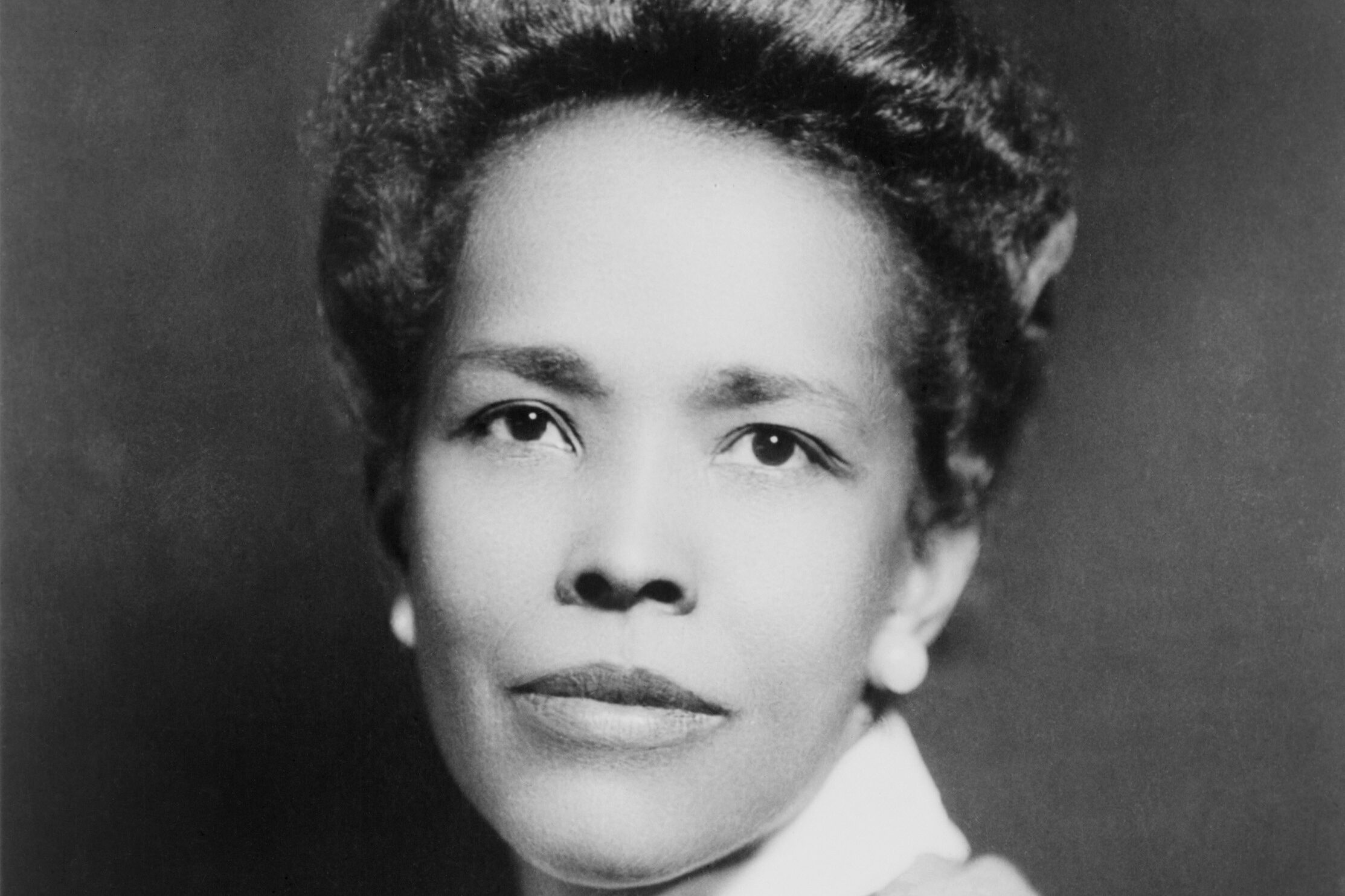
PHOTO: OSCAR BROWN, JR,


http://www.allmusic.com/artist/oscar-brown-jr-mn0000894827/biography
Oscar Brown, Jr.
(1926-2005)
Artist Biography by Jason Ankeny

(b. October 10, 1926--d. May 29, 2005)
Although rooted in jazz, singer, poet, and activist Oscar Brown, Jr. defied musical categorization throughout his long and eclectic career -- a forerunner of the political consciousness that would become predominant in soul, funk, and hip-hop in the decades to follow, his efforts to exact social change spread across the arts and even into government, spurring two unsuccessful but memorable campaigns for office. Born on Chicago's South Side on October 10, 1926, Brown was the son of a successful attorney and property broker who wanted his firstborn someday to assume control of the family business; instead, Brown was drawn to writing and performing, and by 15 was a regular on writer Studs Terkel's radio program Secret City. After skipping two grades, he entered the University of Wisconsin at 16, but finding the world of academia little to his liking,Brown returned to broadcasting, and in 1944 was tapped to host Negro Newsfront, the nation's first black news radio broadcast. Dubbed "America's first Negro newscaster," he relinquished the gig in 1948 to run for the Illinois state legislature on the Progressive Party ticket -- he did not win, and spent the remainder of the decade working on writer/producer Richard Durham's Black Radio Days series, followed by a two-year stint in the U.S. Army.
Though a card-carrying Communist, in 1952 Brown mounted an unsuccessful campaign for U.S. Congress on the Republican ticket, aligning himself with the right wing solely to get his name on the ballot. (He resigned from the Communist Party in 1956, declaring himself "just too black to be red.") Through all this time, singing and songwriting remained little more than sidelines, but that all changed in 1958, when Brown attended the opening of Lorraine Hansberry's landmark play A Raisin in the Sun -- there he metHansberry's husband, the New York City music publisher Robert Nemiroff, and their fledgling friendship soon yielded a record deal with Columbia. In 1960, Browncollaborated with Max Roach on the legendary bop drummer's trenchant civil rights project We Insist! Freedom Now Suite, soon followed by his solo debut, Sin & Soul -- launched via an extended residency at the famed Village Vanguard, the record featured readings of popular jazz instrumentals like Nat Adderley's "Work Song" and Mongo Santamaria's "Afro Blue" with new, socially charged lyrics penned by Brown himself. "Brown Baby," a lullaby written for his newborn son, went on to emerge as something of a modern standard, with covers by vocalists including Mahalia Jackson and Lena Horne.
The creative and commercial success of Sin & Soul made Brown a star, and after writing lyrics for Miles Davis' classic "All Blues," he reunited with Hansberry and Nemiroff for 'Kicks & Co.', a stage musical that earned Brown an unheard-of two-hour appearance on NBC television's Today Show. The show nevertheless closed shortly after its preview series at Chicago's McCormick Place in 1961, and after reworking some of the material to create a one-man show, Oscar Brown Entertains, he toured the U.S. and Europe, in 1962 stopping long enough to host the television series Jazz Scene USA, during taping meeting his future wife, singer/dancer Jean Pace. Through his concert appearances and LPs, including 1963's Tells It Like It Is! and 1965's Mr. Oscar Brown, Jr. Goes to Washington, he kept his social and political beliefs front and center, refusing to accept the common wisdom that mainstream audiences wanted no part of such stuff -- withPace, he wrote and directed a series of stage shows casting teens from Chicago's impoverished neighborhoods, and the most famous of the couple's collaborations, 1967's Opportunity Please Knock, was even produced in conjunction with the Blackstone Rangers youth gang. The Browns' work with underprivileged youth also earned a 1968 invitation from Gary, IN, mayor Richard Hatcher to helm a summer talent project that was a springboard for then-unknowns the Jackson 5 and actor/singer Avery Brooks.
After relocating to San Francisco in 1969, Brown and Pace transformed the stage comedy Big Time Buck White into a musical that, upon making the leap to Broadway, starred boxing legend Muhammad Ali in the title role. Brown spent much of the 1970s as an artist-in-residence teaching musical theater at Washington, D.C.'s Howard University, New York City's Hunter College, and Chicago's Malcolm X College. In 1972, after a seven-year hiatus from the recording studio, he delivered Where Are You, followed by a pair of releases for Atlantic: 1973's Brother Where Are You and 1975's Fresh. Also in 1975, he starred in the revived Evolution of the Blues and starred in a Chicago television special, Oscar Brown Is Back in Town, which earned a pair of local Emmy Awards. Brown was next tapped to host the acclaimed 1980 PBS series From Jump Street: The Story of Black Music, and went on to appear in network series including Brewster Place and Roc. His first album in two decades, Then and Now, appeared on Weasel Disc in 1995, and in 2001 he was the subject of a documentary, Music Is My Life, Politics My Mistress. Brown died from complications from a blood infection on May 29, 2005.
Def Poetry Jam—HBO
Season 2; Episode 4
2003
VIDEO:
Jazz Scene USA with Nancy Wilson 1962 - Host: Oscar Brown, Jr.
Lou Levy - piano, Al McKibbon - bass, Kenny Dennis - drums.
Setlist:
1- Happy Talk 2- Little Girl Blue 3- Put On a Happy Face 4- Never Will I Marry 5- Guess Who I Saw Today 6- I Believe In You -
VIDEO:
JAZZ SCENE USA series Episode: NANCY WILSON
Contributor Names
Steve Binder (director)
Created / Published
USA.
Notes
- Information from: "Jazz on the Screen" by David Meeker. Used with permission. (Source)
- Made-for-TV series.
- Short film (under 30 minutes).
- "Give Irving my love" (theme); "Happy talk" by Oscar Hammerstein II, Richard Rodgers; "Little girl blue" by Richard Rodgers, Lorenz Hart; "Put on a happy face" by Lee Adams, Charles Strouse; "Never will I marry", "I believe in you" by Frank Loesser; "Guess who I saw today?" by Elisse Boyd, Murray Grand. (Songs)
- Nancy Wilson, vocal, accompanied by Lou Levy, piano; Al McKibbon, acoustic double bass; Kenny Dennis, drums.
(Personnel on Camera)
- Recorded on 4th September 1962 and hosted by Oscar Brown, Jr.