Sunday, January 3, 2021

The Ongoing Struggle For Voting Rights in Black America Against the Relentless State Sanctioned Attempts to Destroy and Deny These Rights

https://www.washingtonpost.com/.../5d8a6a71-d8e8-4201...

The Washington Post
November 30, 2020
The Fix’s Eugene Scott analyzes how President Trump continues to spread conspiracy theories while working to disenfranchise thousands of Black voters.
 
“It’s as vile now as it was during Reconstruction, when Democrats believed that Republicans were illegitimate and that Black voters had no right to be voting, and they did all of these terrorist activities to block African Americans from voting,” said Carol Anderson, professor of African American studies at Emory University. “It’s a very narrow, slippery slope, from saying ‘illegal votes’ to ‘illegal voters,’ so this attack on Black voters is real.”
 
Trump tries to overturn the election | The 2020 Fix 

"WHAT'S PAST IS PROLOGUE..."


https://apnews.com/.../joe-biden-donald-trump-race-and...


Trump election challenges sound alarm among voters of color


by AARON MORRISON, KAT STAFFORD and CHRISTINE FERNANDO

November 22, 2020

Associated Press


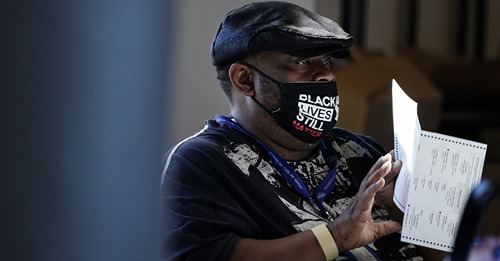
PHOTO FILE - In this Nov. 4, 2020, file photo, an election worker holds a ballot as vote counting in the general election continues at State Farm Arena in Atlanta. President-elect Joe Biden won in Michigan, Wisconsin, Pennsylvania and Georgia because of Black voters, many of them concentrated in big cities.(AP Photo/Brynn Anderson, File)
 Trump election challenges sound alarm among voters of color

 
DETROIT (AP) — When longtime Detroit community advocate Frank McGhee watched two Republican canvassers vote against certifying election results in the majority Black city, he was furious.
 
McGhee, 58, has spent more than two decades working with Detroit youth and educating them on the electoral process. He said it was “outrageous” to see hard-fought Black voter-mobilization efforts threatened.
 
“I thought, these are the ultimate executioners, if you will, put in place so that quietly they could take what belongs to us,” he said.
 
President-elect Joe Biden was in part powered to victory in Michigan, Wisconsin, Pennsylvania and Georgia by Black voters, many of them concentrated in cities such as Detroit, Philadelphia and Atlanta where he received a significant share of their support. Since Election Day, President Donald Trump and his allies have sought to expose voter fraud that simply does not exist in these and other overwhelmingly Black population centers.
 
Such a plainly racist strategy to contest the election could erode Black voters’ trust in elections. Voting-rights advocates say they stand ready to beat back any efforts to water down the Black vote. But fears persist that Trump’s allies will undermine democracy and disenfranchise Black Americans and other voters of color.
 
Trump renewed his attack on Motown voters Thursday, tweeting without evidence, “Voter Fraud in Detroit is rampant, and has been for many years.”
 
The GOP effort in Michigan came to a head Tuesday, when the Wayne County Board of Canvassers initially deadlocked on a vote to certify election results that included ballots from Detroit, the nation’s largest Black-majority city.

More Stories:

– Trump's legal team cried vote fraud, but courts found none
– Election 2020 Today: Fraud rejected, Biden's top diplomat
– Trump appeals rejection of effort to block Pennsylvania vote

 
Two Republican canvassers tried to block the routine certification, which provoked an outcry from people attending the meeting and civil rights leaders who questioned whether race was a factor. The two GOP board members eventually reversed their votes and certified the results. They later tried to revert to their original position and were rebuffed by state officials who said the certification could not be rescinded.
 
“I think it’s a dose of reality of the times that we are living in,” said Nicole Small, vice chair of the Detroit Charter Commission, who believes the vote was a “blatant attempt at voter suppression.”
 
“I do not believe that Trump has created racism amongst people, but I do think he was the safety net and the vehicle for people to be more active in practicing their racism and their prejudiced beliefs publicly,” Small said.
 
Michigan Attorney General Dana Nessel blasted the Trump campaign and other groups for filing election-related lawsuits that were frivolous and lacked evidence.
“The themes we see that persist here are this: ‘Black people are corrupt. Black people are incompetent, and Black people can’t be trusted,’” she said on a call with the nonpartisan Voter Protection Program.

 
Kristen Clarke, president and executive director of the Lawyers’ Committee for Civil Rights Under Law, said the Republican canvassers’ conduct was part of the ongoing effort “to disenfranchise voters on a scale that is simply unprecedented in modern times.”
Beyond Michigan, the Trump campaign sought a partial recount in Wisconsin — in Milwaukee and Dane counties, which include the majority of the state’s Black population. On Thursday, Trump lawyer Rudy Giuliani renewed unproven claims of voter fraud and impropriety during mail-in vote counting in Pennsylvania, naming Philadelphia and nearby Camden, New Jersey, which is also predominantly Black.

 
In Philadelphia, state Sen. Sharif Street said Trump’s attacks on the city are neither new nor surprising, given his “abject failure” around COVID-19 and the resulting economic fallout.
 
“This is an attempt to delegitimize our voters, but it only served to delegitimize himself.”
 
During a news conference Thursday in Wilmington, Delaware, Biden said Americans are “witnessing incredible irresponsibility. Incredibly damaging messages are being sent to the rest of the world about how democracy functions.”
 
Black voters are not the only targets. A Trump-allied group behind challenges in four states, True the Vote, filed a lawsuit alleging officials relaxed voter ID requirements for absentee voters in Menominee County, Wisconsin, which is essentially the Menominee Nation Indian reservation. Most of the group’s lawsuits have been tossed out or withdrawn.
 
Another lawsuit seeks nullification of votes in Nevada over fraud and irregularities. The Trump campaign and Nevada Republicans alleged the Nevada Native Voter Project illegally enticed Native American voters with gift cards, gas cards, raffle tickets and T-shirts if they voted early or on Election Day. That lawsuit has been dismissed.
 
And in Arizona, the Trump campaign and the state Republican Party jointly asked courts to halt certification of votes in Maricopa County, which includes Phoenix and a significant portion of the state’s Hispanic population. The lawsuit sought a hand-count of a sampling of ballots from the county. A judge dismissed that lawsuit on Thursday.
 
The rate of dismissal proves “there’s really no there there to the challenges,” said Anne Houghtaling, deputy director of the Thurgood Marshall Institute, which houses the NAACP Legal Defense Fund’s voting rights projects.
 
Full Coverage: Election 2020

“It’s all sort of tilting at windmills,” Houghtaling said.

Black voters and other voters of color were guaranteed free and fair access to the polls through the landmark Voting Rights Act of 1965. Prior to its passage, Black voters, primarily in the South, were routinely subjected to intimidation and deadly violence for simply registering to vote. In places where they could register, some voters faced literacy tests and poll taxes that effectively left them disenfranchised.

In some states, voter discrimination complaints worsened after a 2013 Supreme Court ruling gutted a section of the voting rights law requiring states with a history of discrimination to get federal approval before changing voter regulations. States have passed strict voter ID requirements, carried out voter roll purges and limited early voting in places where minority voters were disproportionately affected.
 
Election officials from both political parties have stated publicly that the 2020 election went well, and international observers confirmed there were no serious irregularities.
 
“It’s not the use of the word ‘legal’ vote, it’s the constant insinuation that there are so many illegal or fraudulent votes out there,” said Rick Hasen, a professor of law and political science at the University of California Irvine and author of the Election Law blog. “There’s no evidence produced by the campaign to support there has been a lot of fraud.”
___
Morrison reported from New York, Stafford reported from Detroit, and Fernando reported from Carmel, Indiana. Associated Press writer Colleen Long in Washington contributed. Morrison, Fernando and Stafford are members of AP’s Race and Ethnicity team.

PHOTO FILE - In this Nov. 4, 2020, file photo, an election worker holds a ballot as vote counting in the general election continues at State Farm Arena in Atlanta. President-elect Joe Biden won in Michigan, Wisconsin, Pennsylvania and Georgia because of Black voters, many of them concentrated in big cities. (AP Photo/Brynn Anderson, File)

apnews.com
Trump election challenges sound alarm among voters of color


Saturday, January 2, 2021

IMPORTANT NEW BOOK:

Soundworks: Race, Sound, and Poetry in Production 

by Anthony Reed 

Duke University Press, 2020

[Publication date: January 8, 2021]

In Soundworks Anthony Reed argues that studying sound requires conceiving it as process and as work. Since the long Black Arts era (ca. 1958–1974), intellectuals, poets, and musicians have defined black sound as radical aesthetic practice. Through their recorded collaborations as well as the accompanying interviews, essays, liner notes, and other media, they continually reinvent black sound conceptually and materially. Soundwork is Reed’s term for that material and conceptual labor of experimental sound practice framed by the institutions of the culture industry and shifting historical contexts. Through analyses of Langston Hughes’s collaboration with Charles Mingus, Amiri Baraka’s work with the New York Art Quartet, Jayne Cortez’s albums with the Firespitters, and the multimedia projects of Archie Shepp, Matana Roberts, Cecil Taylor, and Jeanne Lee, Reed shows that to grasp black sound as a radical philosophical and aesthetic insurgence requires attending to it as the product of material, technical, sensual, and ideological processes.

REVIEWS:

“Offering a new way of thinking about black soundwork as an understanding of text, Anthony Reed makes a deep theoretical intervention in black studies by opening up the role of recordings in the black aesthetic avant-garde. The beauty and appeal of Soundworks lies in Reed's fresh focus on the records that allow us to hear the more ephemeral and unrecordable situation of blackness.”

-- Margo Natalie Crawford, author of ― Black Post-Blackness: The Black Arts Movement and Twenty-First-Century Aesthetics

“Anthony Reed adds his instrument to the slowly swelling chorus of intently listening, jazzed readers and critics. We've gone from the veritable whisper to a scream, and now is the time to consider the black media concept we have been inhabiting. Reed argues for an ‘overhearing,’ a phonographic mode of what he terms disalienation. Baraka called it ‘word-music’ form. Whatever we term it, it remains Black soundwork. Give it a listen.”
-- Aldon Lynn Nielsen, author of Integral Music: Languages of African American Innovation

ABOUT THE AUTHOR:
 
Anthony Reed is Associate Professor of English at Vanderbilt University and author of Freedom Time: 
The Poetics and Politics of Black Experimental Writing.

NOTE:  This post can also be found here at the Panopticon Review On Facebook page.

Thursday, December 31, 2020

Some Final Reflections on the 2020 Presidential Election and the Politics of Race, Class, and Gender within the American Electorate

by Kofi Natambu
December 31, 2020
The Panopticon Review

Eight weeks ago on November 3, 2020 the national voting public of the United States—an alltime record of over 155 million citizens!—elected Democratic Party candidate Joseph R. Biden as the 46th president of the United States in what many observers and analysts have deemed the most important and consequential national election since 1860 on the cusp of the Civil War. The deeply alarming, even terrifying rise and emergence in just the past five years of ideologically malevolent forces both here and abroad and rapidly metastasizing in the form of the wildly chaotic and authoritarian neofascist regime of Donald J. Trump had sent the entire political system and much of U.S. civil society itself into widespread turmoil, conflict, and panic. This stark reality only greatly increased deep seated anxieties and fears throughout the Republic over centuries long structural, institutional, and systemic fears, dislocations, corruption, and demagoguery regarding addressing the foundational public categories of race, class, and gender in the American body politic at the levels of both political economy and cultural identity.

As a result what ultimately distinguished the 2020 election from its historical predecessors was a tsunami of bizarre and deeply disturbing behavior and actions involving openly public confrontations, endless disinformation campaigns and venomous rhetorical assaults by President Trump on not only his Democratic Party opponent and challenger Joseph Biden but an ongoing series of unrelenting attacks on virtually any and everyone the president thought, felt, or simply imagined were opposing, slighting, or otherwise dismissing him and his bluster. This included not only many Democratic Party politicians and stalwarts like Speaker of the House Nancy Pelosi and Senate minority leader Chuck Schumer but also many others like progressive politician Alexandria Oscasio-Cortez and what was known as “the Squad” (fellow progressive Congressional representatives Ayanna Presley, Ilhan Omar, and Rashida Tlaib) all of whom happen to be both women and people of color, two of Trump’s favorite punching bags, but many members of his own subservient enabling Party as well on the vary rare occasions when they didn’t openly kiss his ass and sing his praises. The impact on the general election outside of these machinations and ID-fueled rages by the president and the ugly destructive fallout from it was complicated and made even more sinister and disruptive given the extensive racist police violence against African Americans throughout 2020 (e.g. George Floyd, Armaud Arbrey, Breonna Taylor, Rayshard Brooks, Jacob Blake etc.). Meanwhile a massive deadly global pandemic ravaged the entire country making it virtually impossible for the Democratic nominees (Biden and Kamala Harris) to campaign in any traditional or conventional manner which involved appealing to large crowds live in realtime. However even this clear and present danger of spreading the virus via live events which led inevitably to the direct transmission and eventual infection of thousands of supporters didn’t stop the wild antic “super-spreader”events in which thousands of Trump’s supporters endangered themselves and their family, friends, and neighbors.

Despite all the many distractions and the often patently cruel and simply braindead demonstrations of a national cult of fervent supporters of Trump’s despicable rightwing demagoguery and rank exploitation of not only the general public (most of whom were intensely opposed to the president on both a personal and political/ideological level) but of his most dedicated followers as well. Meanwhile the already very deep and persistent divisions of the country along racial. class, and gender lines and revealed once again (as they have for over 70 years now) just how dependent the two major political parties remain on the electoral and ideological domination of these divisions. Thus while Trump continued as he had in 2016 to garner a very substantial majority of white American voters (over 57% of all white voters—which collectively numbered over 100 million people this year!-- cast their ballot for Trump, with 58% of white males and an equally distressing 55% of all white female voters also voting for Trump’ despite his deeply white supremacist, corporate, and misogynist agenda. 
 
As a deeply determined counterweight to this huge national surge of white American “vote of confidence” in a clearly fascist regime and its raging sociopathic leader nearly 80% of a huge number of Black, Latino, Asian, and Native American voters voted against this same regime and leader with the national black vote as usual leading the way with 87% of its voters refusing a replay of the last four years despite widespread voter suppression. As a result, over 81 million American voters collectively voted for Biden while an astonishing 74 million still voted for Trump (a very ominous sign of just how "popular" FASCISM currently remains in American politics and culture). This gigantic turnout meant that the two candidates individually received the most votes of any two candidates in the history of the Republic. That the country is still reeling from an extremely deadly pandemic (over 350,000 Americans have died of the coronavirus as of this writing), a rapidly collapsing national economy, and a frankly maniacal and equally deadly national rightwing coalition led by the heinous Republican Party and the brazenly ruthless likes of Senate Majority leader Mitch McConnell, as the rabidly criminal and fiercely antidemocratic antics of the now defeated president continues to assault the political system in general it’s clear that the 2020 election has merely delayed but is still nowhere close yet to firmly and decisively DEFEATING what is as of January 1, 2021 still a clear and present danger to not only this nation but the entire world. Stay tuned because the political, economic, cultural and ideological war that MUST be waged in this society and throughout the globe against the still gathering and rapidly expanding forces of fascism, whether we “win” an election or not and especially whether we “like it” or not is more imperative than ever …
 
HAPPY NEW YEAR EVERYONE!


NOTE:  This post can also be found here at the Panopticon Review On Facebook page.

Monday, December 28, 2020

THE PANOPTICON REVIEW PRESENTS TWENTY OUTSTANDING BOOKS OF 2020

Please Note: The following list of books is not organized according to any personal hierarchy of the relative value of each individual book. Rather it is a list that seriously considers ALL of the books listed here to be of equal intellectual and cultural value and interest, albeit for different reasons. The bottomline on this list is that each one of these books is extraordinary and invaluable in their own right and represents some of the very best writing published in the United States in 2020.

--Kofi Natambu, Editor


Brick City Vanguard:   

Amiri Baraka, Black Music, Black Modernity  

by James Smethurst  

University Of Massachusetts Press, 2020 


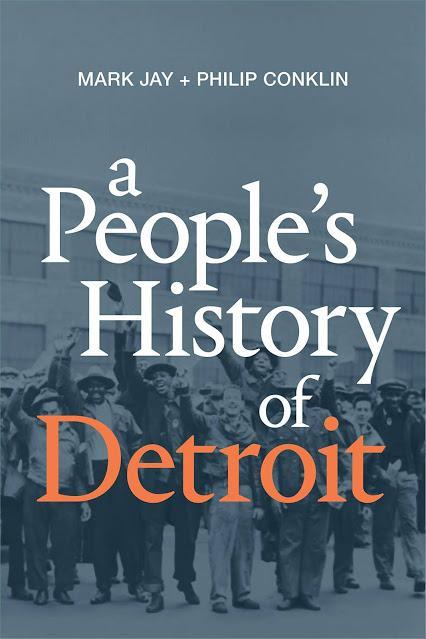
A People's History of Detroit

by Mark Jay and Phillip Conklin

Duke University Press,  2020


The Essential Clarence Major


The Essential Clarence Major: Prose & Poetry
by Clarence Major
The University of North Carolina Press, 2020


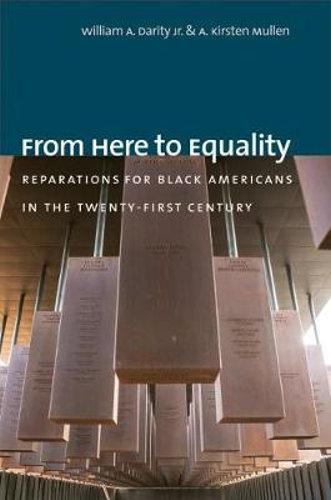
From Here To Equality:
Reparations For Black Americans in 
the Twenty-First Century
by William A. Darity, Jr. & A. Kirsten Mullen
The University of North Carolina Press, 2020
 

https://images-na.ssl-images-amazon.com/images/I/41sG897sl1L._SX331_BO1,204,203,200_.jpg


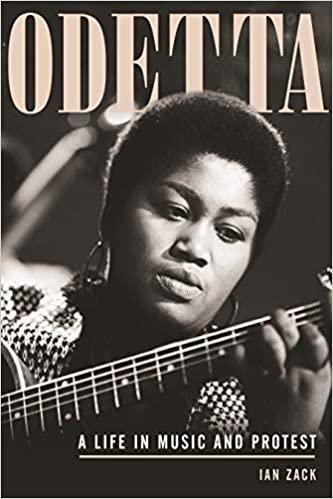
Odetta: A Life in Music and Protest
by Ian Zack
Beacon Press, 2020
 

Surviving Autocracy
by Masha Gessen
Riverhead Books, 2020
 

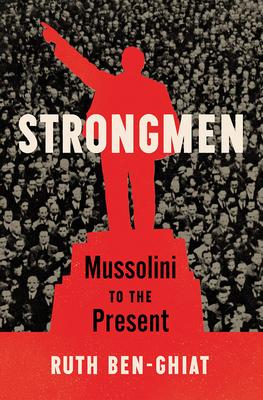
Strongmen: Mussolini To The Present
by Ruth Ben-Ghiat
W.W. Norton & Company, 2020


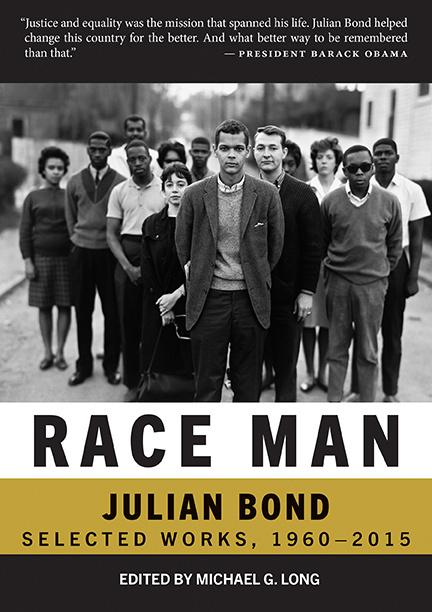
Race Man: Selected Works, 1960-2015
by Julian Bond
(Edited by Michael G. Long)
City Lights Books, 2020


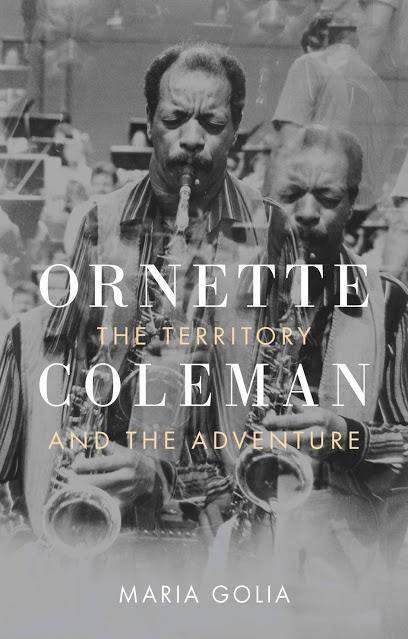
Ornette Coleman:
The Territory and the Adventure
by Maria Golia
Reaktion Books, 2020
 

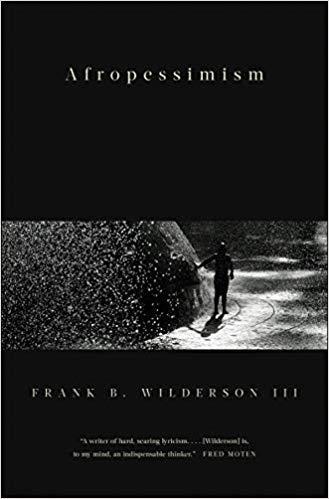
Afropessimism
by Frank B. Wilderson III
Liveright, 2020
 

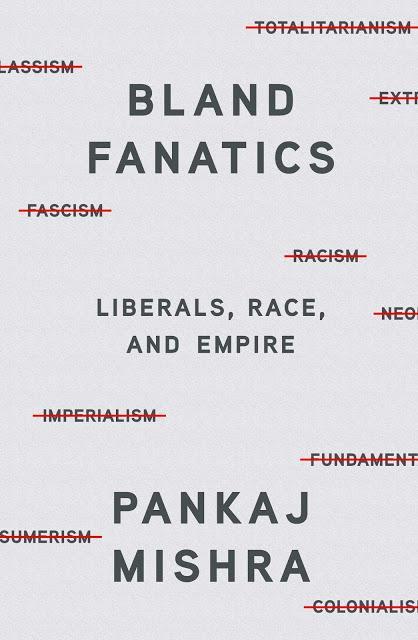
Bland Fanatics:  Liberals, Race, and Empire

by Pankaj Mishra

Farrar,  Straus and Giroux 


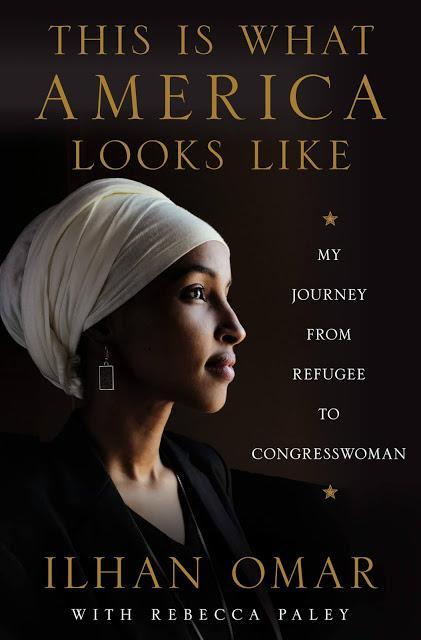
This is What America Looks Like:
My Journey From Refugee To Congresswoman
by Ilhan Omar
Dey Street Books, 2020


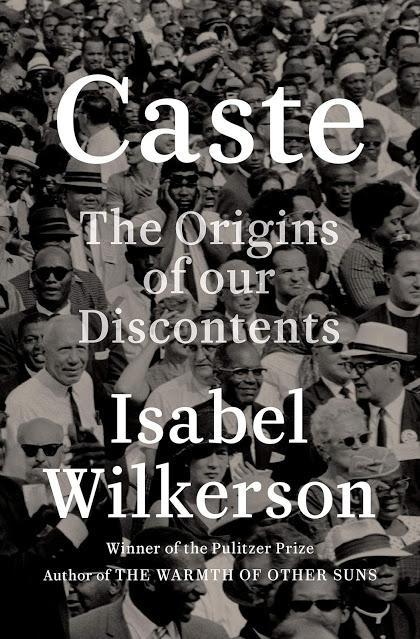
Caste: The Origins Of Our Discontents
by Isabel Wilkerson
Random House, 2020


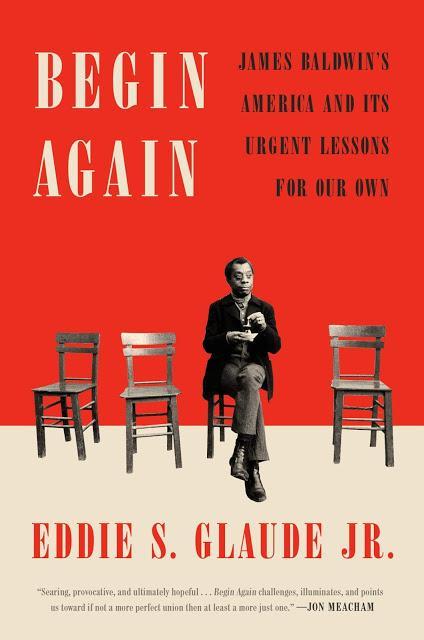
Begin Again:
James Baldwin's America And Its Urgent Lessons 
For Our Own
by Eddie Glaude, Jr.
Crown Books, 2020


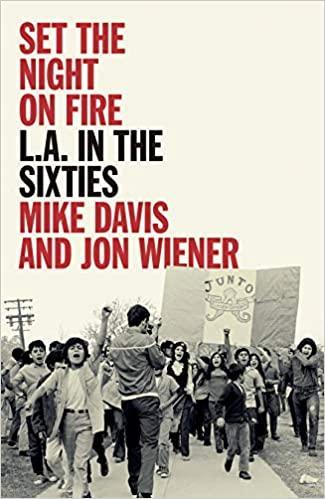
Set The Night On Fire: L.A. In The Sixties
by Mike Davis & Jon Wiener
Verso, 2020


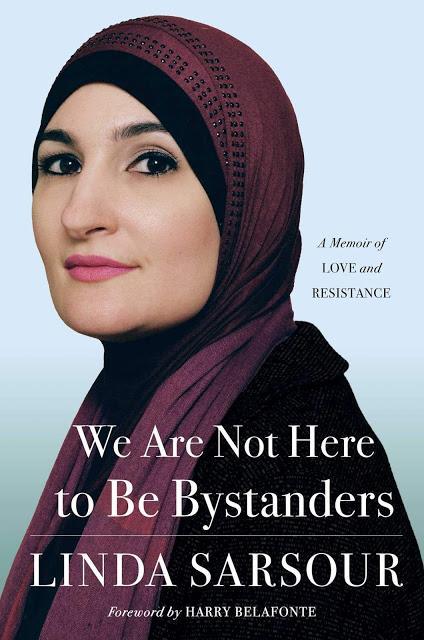
We Are Not Here To Be Bystanders
by Linda Sarsour
37 INK (an imprint of Simon and Schuster), 2020


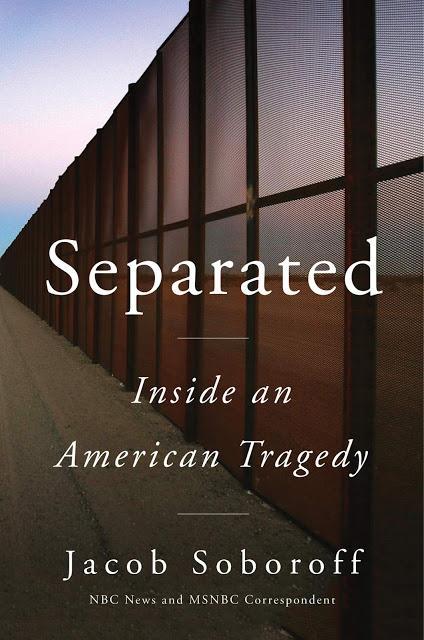
Separated: Inside An American Tragedy
by Jacob Soboroff
Custom House, 2020
  

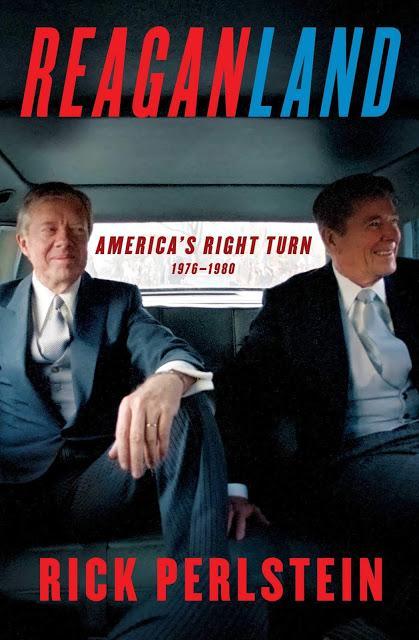
ReaganLand: America's Right Turn: 1976-1980
by Rick Pearlstein
Simon and Schuster, 2020

Full Dissidence:
Notes From An Uneven Playing Field
by Howard Bryant
Beacon Press, 2020


African American Poetry:
250 Years of Struggle and Song
Edited by Kevin Young
The Library of America, 2020

HONORABLE MENTIONS:


The Fascism This Time and the Global Future of 

Democracy

by Theo Horesh

Cosmopolis Press,  2020


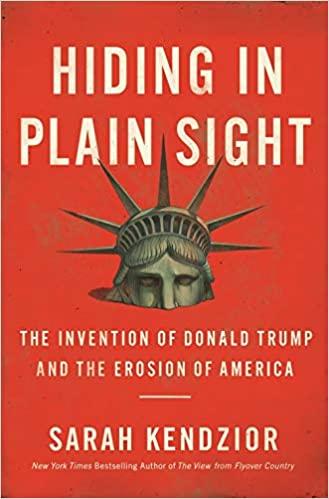
Hiding in Plain Sight:  

The Invention of Donald Trump and the Erosion 

of America

by Sarah Kendzior

Flatiron Books,  2020


 The Purpose of Power:  

How We Come Together When We Fall Apart

by Alicia Garza

One World,  2020


Hatemonger:  

Stephen Miller, Donald Trump, and the 

White Nationalist Agenda

by Jean Guerrero

William Morrow,  2020


Black Power Afterlives:  

The Enduring Significance of the 

Black Panther Party

Edited by Diane C. Fujino and Matef Harmachis

Haymarket Books,  2020


American Oligarchs:  

The Kushners, the Trumps, and the Marriage of 

Money and Power

by Andrea Bernstein

W.W. Norton and Company,  2020


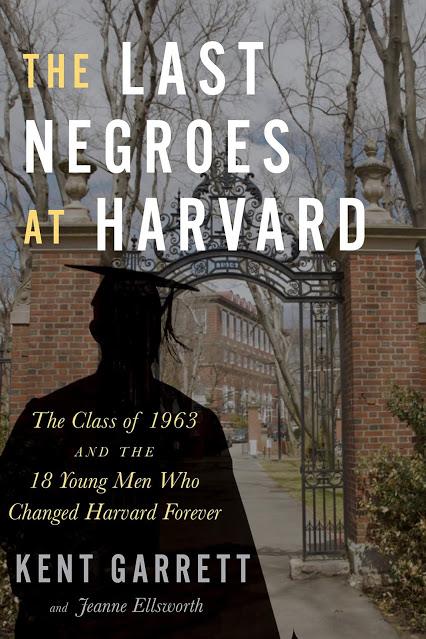
The Last Negroes At Harvard:  

The Class of 1963 and the 18 Young Men Who 

Changed Harvard Forever

by Kent Garrett and Jeanne Ellsworth

Houghton Mifflin Harcourt,  2020


Donald Trump v. The United States:  

Inside the Struggle To Stop A President

by Michael S. Schmidt

Random House,  2020


Dorothy Day: 

Dissenting Voice of the 20th Century 

by John Loughery and Blythe Randolph

Simone and Schuster,  2020


Those Who Know Don't Say:  

The Nation of Islam, the Black Freedom 

Movement, and the Carceral State

by  Garrett Felber

The University of North Carolina Press,  2020


THE PANOPTICON REVIEW PRESENTS TWENTY OUTSTANDING BOOKS ANNUALLY FROM 2010-2020

CLICK ON THE FOLLOWING INDIVIDUAL LINKS TO ACCESS THE LISTINGS OF EACH CALENDAR YEAR:


NOTE:  This post can also be found here at the Panopticon Review On Facebook page.